
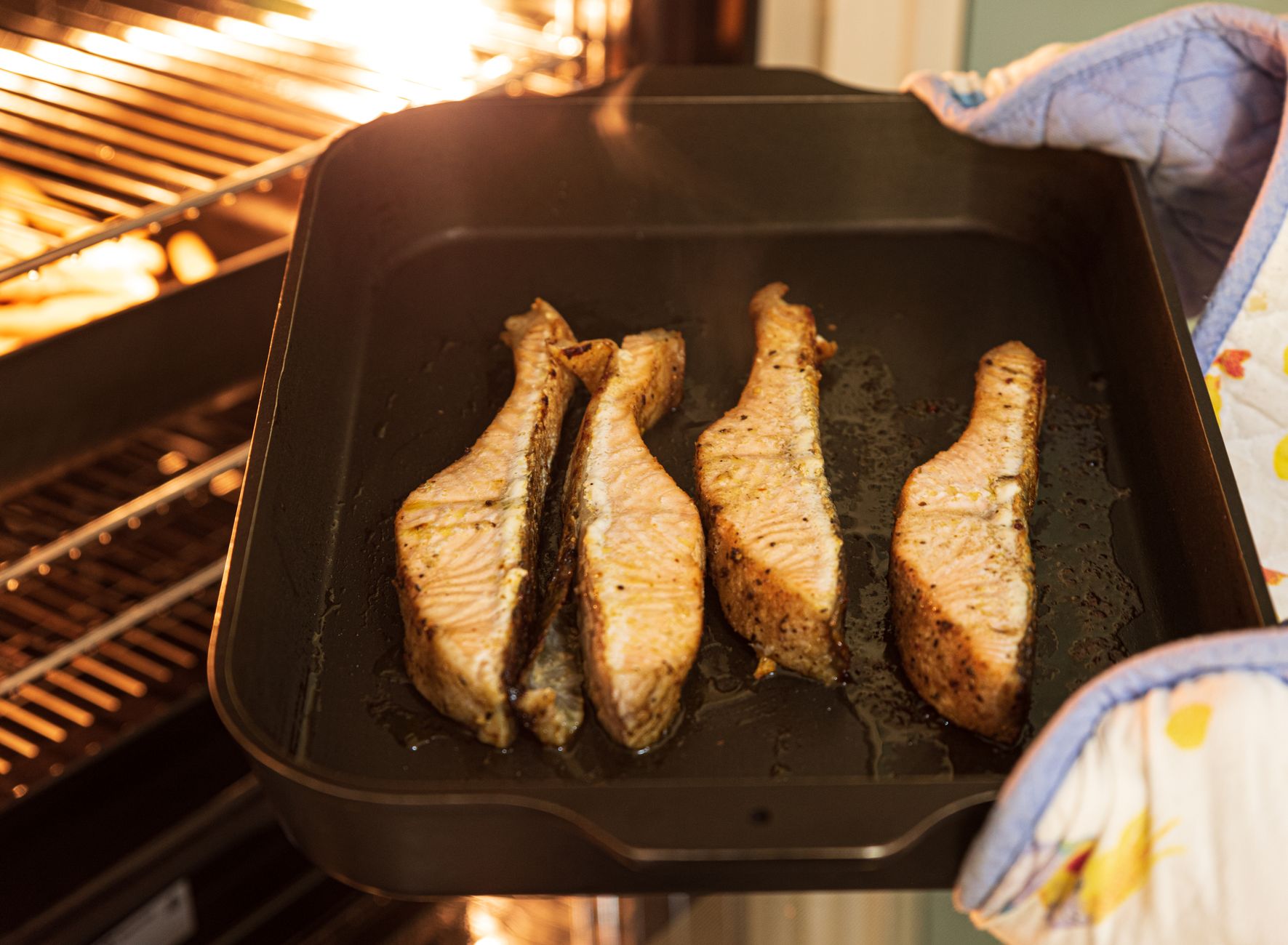
Cooking salmon to perfection can be a rewarding experience, especially when you know the right timing and techniques. Cooking salmon at 400°F (204°C) is a popular method that balances a crispy exterior with a tender, flaky interior. This guide will explore how long to cook salmon at this temperature, along with essential cooking tips, doneness indicators, and more.
Whether you’re preparing salmon for a weeknight dinner or a special occasion, understanding the cooking time is key. This article will provide you with insights on cooking time, ingredient tips, and methods to ensure you achieve delicious results every time.
Salmon 400 How Long?
When cooking salmon at 400°F, the general guideline is to bake it for 12 to 15 minutes, depending on the thickness of the fillet or steak. Fish is generally cooked until it reaches an internal temperature of 145°F (63°C). This ensures the salmon is both safe to eat and retains its tender texture.
Understanding Cooking Time and Temperature
Cooking salmon at 400°F is ideal for several reasons:
- Even Cooking: This temperature promotes even cooking throughout the fillet.
- Crispy Skin: Cooking at this heat helps achieve a crispy exterior without drying out the interior.
- Time Efficiency: It cooks quickly, making it a great option for weeknight meals.
Thickness Matters
The cooking time for salmon is largely dependent on the thickness of the cut. A general rule of thumb is:
- For fillets that are 1 inch thick, cook for about 12-15 minutes.
- For fillets thicker than 1 inch, aim for 15-20 minutes.
- For thin cutlets (about ¾ inch thick), check for doneness at 10-12 minutes.
Doneness Indicators
To achieve perfectly cooked salmon, it’s important to recognize the signs of doneness:
- The salmon should be opaque and flake easily with a fork.
- Using a food thermometer, measure the internal temperature; it should reach 145°F (63°C).
- The flesh should appear moist and not at all dry.
Preparing Salmon for Cooking
Before cooking, it’s essential to prepare the salmon properly. Here is a step-by-step guide:
- Choose Quality Salmon: Fresh or frozen salmon can be used, but opt for sushi-grade when possible for a better flavor and texture.
- Thawing: If using frozen salmon, thaw it in the refrigerator overnight or in cold water for a quicker option.
- Remove Skin (Optional): If preferred, you can remove the skin, although it adds extra flavor and helps keep the fish moist during cooking.
- Season: Season the salmon fillets with salt, pepper, and any desired spices or marinades before cooking.
Ingredients for Cooking Salmon
While salmon is delicious on its own, there are several ingredients to consider for flavoring:
- Salt and black pepper
- Olive oil or melted butter
- Lemon slices or zest
- Fresh herbs like dill, parsley, or thyme
- Garlic (minced or powder)
Cooking Methods at 400°F
There are a few methods to cook salmon at 400°F, such as baking, roasting, or grilling. While the first two are the most common for home cooks, experimenting with each method can enhance your meals.
Baking Salmon
Baking is the most straightforward method for cooking salmon at 400°F. Here’s how to do it:
- Preheat the Oven: Begin by preheating your oven to 400°F (204°C).
- Prepare Baking Dish: Line a baking sheet with parchment paper or foil for easy cleanup.
- Place Salmon: Lay the salmon fillet skin-side down on the prepared baking sheet.
- Season: Drizzle with olive oil or melted butter, and season with salt, pepper, and any additional spices.
- Bake: Bake for 12-15 minutes, checking for doneness.
Roasting Salmon
Roasting can enhance the flavors of the salmon due to direct heat. Follow these steps:
- Preheat the Oven: Preheat to 400°F (204°C).
- Prepare Vegetables: Cut up vegetables like asparagus, bell peppers, or zucchini to roast alongside the salmon.
- Arrange on Baking Sheet: Lay the veggies on a baking sheet first, then place the salmon on top.
- Season and Cook: Season everything as desired and roast for about 15-20 minutes.
Grilling Salmon
Grilling gives salmon a delicious smoky flavor. Here’s a quick guide:
- Preheat Grill: Prepare your grill to medium heat, around 400°F.
- Prepare Grilling Surface: Use non-stick spray or brush the grill grates with oil.
- Season Salmon: Prepare the salmon as discussed earlier in this guide.
- Grill: Place the salmon skin-side down and grill for about 6-8 minutes per side, depending on thickness.
Common Mistakes to Avoid
To ensure your salmon turns out perfectly, consider avoiding these common pitfalls:
- Overcooking: Salmon can easily become dry if overcooked, so keep an eye on it and use a thermometer for the best results.
- Ignoring Carryover Cooking: Remember that salmon will continue to cook slightly after removing it from the oven due to residual heat.
- Not Preheating the Oven: Always preheat your oven to ensure the salmon cooks evenly.
Serving Suggestions and Pairings
Once your salmon is cooked to perfection, it’s time to pair it with delicious sides. Here are a few suggestions:
- Roasted vegetables, such as broccoli or carrots
- Rice or quinoa for a grain option
- Fresh salads with vinaigrette
- Potatoes, either mashed or baked
Make-Ahead Tips
If you’re planning to cook salmon ahead of time, consider these tips:
- Cooked salmon can be stored in the refrigerator for up to three days.
- For meal prep, bake several fillets at once and portion for easy reheating during the week.
- Salmon can be frozen; wrap it tightly in plastic wrap and then in aluminum foil for optimal freshness.
Storing and Reheating Salmon
Proper storage is crucial to maintain freshness and flavor:
- Allow cooked salmon to cool to room temperature before refrigerating.
- Store in an airtight container in the fridge for up to three days.
- To freeze, wrap in freezer-safe packaging; consume within two months for optimal taste.
When reheating salmon, the goal is to avoid further cooking and to maintain moisture:
- Use the microwave on a low-power setting, covering with a damp paper towel.
- Alternatively, reheat in the oven at a low temperature for about 10 minutes.
Variations on Cooking Salmon
If you’re looking to switch things up, consider these variations:
- Marinated Salmon: Soak salmon in teriyaki or soy sauce for a flavor boost before cooking.
- Gravlax: An ancient Nordic method of curing salmon with sugar and salt, served cold.
- Spicy Salmon: Coat with hot sauce or a spice rub for those who enjoy heat.
Salmon Cooking Resources
For additional recipes and techniques, consider these resources:
- How long to cook tilapia offers another delicious fish cooking guide.
- How long to bake chicken legs at 400 provides further insights on baking proteins in your kitchen.
Cooking salmon at 400°F allows you to create a flavorful and satisfying meal in a short amount of time. Remember to adjust your cooking time based on thickness and check for doneness carefully. This method will provide you with tender, flaky, and delicious salmon every time.
For more cooking tips and recipes, explore our guides on tilapia cooking times and baking chicken legs. These resources can enhance your cooking skills and provide more delicious meal options.