
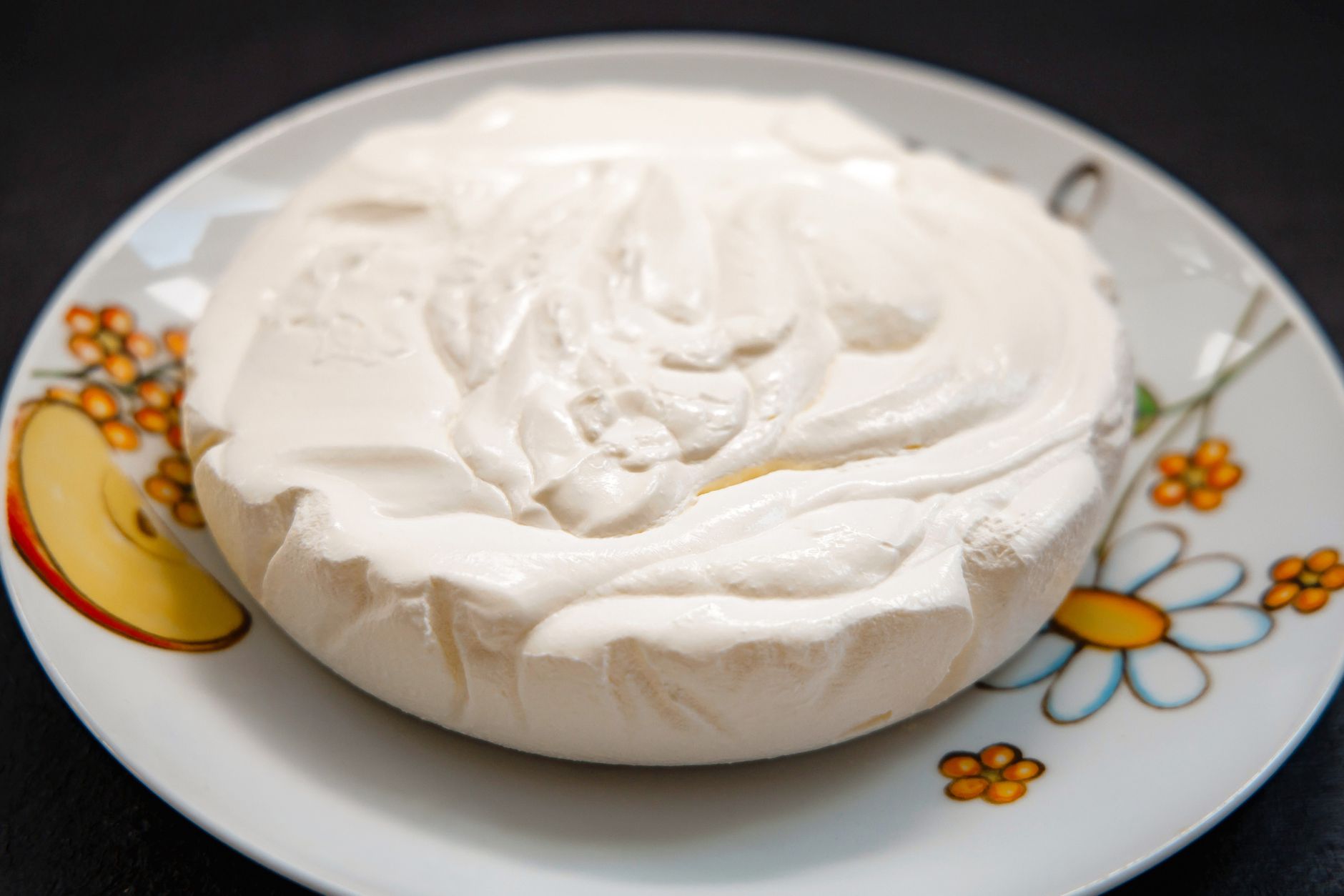
Cream cheese is a versatile dairy product that adds a rich, creamy texture to both sweet and savory dishes. However, knowing how and when to store cream cheese—especially unopened packages—can sometimes be confusing. This guide will help you understand how long unopened cream cheese lasts, proper storage methods, and tips to ensure its freshness.
Whether you’re using cream cheese for cheesecake, frosting, or as a spread, it’s important to maximize its shelf life. Understanding proper storage will help reduce food waste and ensure your culinary creations taste their best.
How Long Does Unopened Cream Cheese Last?
Unopened cream cheese typically lasts for about two to three months past the printed expiration date when stored properly in the refrigerator. However, it’s essential to note that “expiration” dates can often vary based on the brand and packaging. Always check for signs of spoilage.
Factors Affecting the Shelf Life of Unopened Cream Cheese
The longevity of unopened cream cheese hinges on several factors, including packaging, brand, and storage conditions. Here’s a closer look:
- Quality of Packaging: Most cream cheeses are packaged in vacuum-sealed containers that help prolong freshness. Damage to this packaging can shorten shelf life.
- Fat Content: Cream cheese with higher fat content tends to last longer compared to lower-fat versions. Full-fat cream cheeses are less prone to spoilage.
- Storage Temperature: Cream cheese should always be stored in a consistent refrigerator temperature at or below 40°F (4°C).
Signs That Unopened Cream Cheese Has Gone Bad
While unopened cream cheese has a good shelf life, it’s crucial to identify spoilage signs, even before opening. Look for these indicators:
- Packaging Damage: If the packaging is torn or damaged, the cream cheese may be exposed to air and bacteria.
- Unusual Smell: A sour or off smell can indicate spoilage. Fresh cream cheese should have a mild, creamy aroma.
- Color Changes: If you notice discoloration, such as yellowish or gray spots, it’s best to discard the product.
- Texture Changes: While cream cheese is naturally smooth, if it appears grainy or has excessive liquid separation, it might not be safe to consume.
Best Ways to Store Unopened Cream Cheese
To maintain the quality and extend the shelf life of unopened cream cheese, consider these storage tips:
- Refrigeration: Always keep cream cheese in the main compartment of your refrigerator—never in the door, as it is subject to temperature variations.
- Keep it Sealed: If the packaging is not resealable, consider transferring the cream cheese to an airtight container. This helps prevent contamination and exposure to air.
Using Unopened Cream Cheese Past Its Expiration Date
Using cream cheese after its expiration date is often safe if the product has been stored correctly and shows no signs of spoilage. However, the flavor and texture might be compromised. A few tips include:
- Smell Test: Always give the cream cheese a smell test before use. If it smells off, it’s best to avoid using it.
- Visual Inspection: Look for mold, discoloration, or texture changes that could indicate spoilage.
- Taste Test: If smell and visual inspection meet expectations, consider tasting a small amount to check for any off-flavors.
How to Use Leftover Cream Cheese
If you’ve opened a package of cream cheese and want to use it before it spoils, consider the following suggestions for incorporating it into your meals:
Sweet Dishes
- Cream Cheese Frosting: Blend cream cheese with powdered sugar, vanilla extract, and butter for a delicious frosting option.
- Cheesecake: Use cream cheese as a base for a classic cheesecake. Mix it with sugar, eggs, and vanilla, then bake.
- Pancake Topping: Spread cream cheese on pancakes or waffles, topped with fresh fruit or syrup.
Savory Dishes
- Dips: Blend cream cheese with herbs and spices for a savory spread or dip, perfect for crackers or vegetables.
- Pasta Sauce: Mix it into pasta dishes to create a creamy sauce.
- Stuffed Vegetables: Use cream cheese as a filling for stuffed mushrooms or peppers, adding herbs and spices to your preference.
What to Do With Expired Cream Cheese
If you find that your cream cheese has indeed expired and is not safe for consumption, consider these disposal methods:
- Compost: If it’s entirely natural and without additives, you may be able to compost it in your home compost bin.
- Trash: If composting is not an option, simply discard it in your household trash.
Alternative Storage Approaches: Freezing Cream Cheese
If you anticipate not using your cream cheese before it expires, freezing can be a practical solution. Here’s how to properly freeze cream cheese:
- Portioning: Divide the cream cheese into portions suitable for your recipes.
- Wrap:** Wrap each portion tightly with plastic wrap to prevent freezer burn.
- Containerize: Place wrapped portions in an airtight freezer bag or container labeled with the date.
- Freezing Time: Cream cheese can be frozen for up to two months. For best quality, consume sooner rather than later.
Thawing Frozen Cream Cheese
When ready to use frozen cream cheese, thaw it properly to maintain texture:
- Refrigerator Method: Transfer the desired amount from the freezer to the refrigerator and allow it to thaw overnight.
- Quick Thaw Method: If you’re in a hurry, place the sealed container in a bowl of cold water for a faster thaw.
Understanding Cream Cheese Serving Sizes and Nutritional Aspects
According to dietary guidelines, a typical serving size of cream cheese is about 1 ounce. While cream cheese is delicious, it should be enjoyed in moderation due to its high fat and calorie content.
Nutritional Information
While exact nutritional details can vary by product, the following is a general overview of what to expect per ounce:
- Calories: Approximately 100
- Fat: 10 grams
- Protein: 2 grams
- Carbohydrates: 1 gram
- Sodium: 90 milligrams
Common Cream Cheese Substitutes
If you’re out of cream cheese or looking for alternatives, consider these effective substitutes:
| Substitute | Ratio | Notes |
|---|---|---|
| Mascarpone | 1:1 | Rich and creamy texture, sweeter flavor. |
| Cottage Cheese (blended) | 1:1 | Lower in fat; blend until smooth for best results. |
| Ricotta Cheese | 1:1 | Grainier texture, works well in savory dishes. |
| Sour Cream | 1:1 | Tangy flavor, suitable for dips and toppings. |
| Greek Yogurt | 1:1 | Lower in fat, great for spreads and dips. |
Conclusion
Understanding the shelf life of unopened cream cheese and when to discard it can help you manage your kitchen more efficiently. Always inspect your cream cheese for freshness and store it properly to get the most out of this versatile ingredient. Freezing is a great option if you need to extend the shelf life further.
For more insights into food storage and usage, check out our guides on how long cottage cheese lasts after opening and how long cooked ground beef is good in the fridge.