
Nothing beats the warm, comforting aroma of freshly baked bread wafting through your home. Making your own Homemade Bread is not just a delightful experience; it yields a soft, fluffy loaf that is perfect for sandwiches or slathering with butter.
Why You’ll Love This Recipe
This recipe is a game changer for anyone wanting to master bread making at home.
- Simple ingredients make it easy for anyone to start.
- The texture is perfectly soft with a lovely crust.
- You’ll feel accomplished and proud of your baking skills.
- It makes your home smell incredible.
- Great for meal prep and can be frozen for later use.
My Experience Making This Recipe
When I first tried making bread, I was skeptical if it would turn out right. The moment I pulled that golden loaf from the oven, I was hooked — the smell was heavenly!
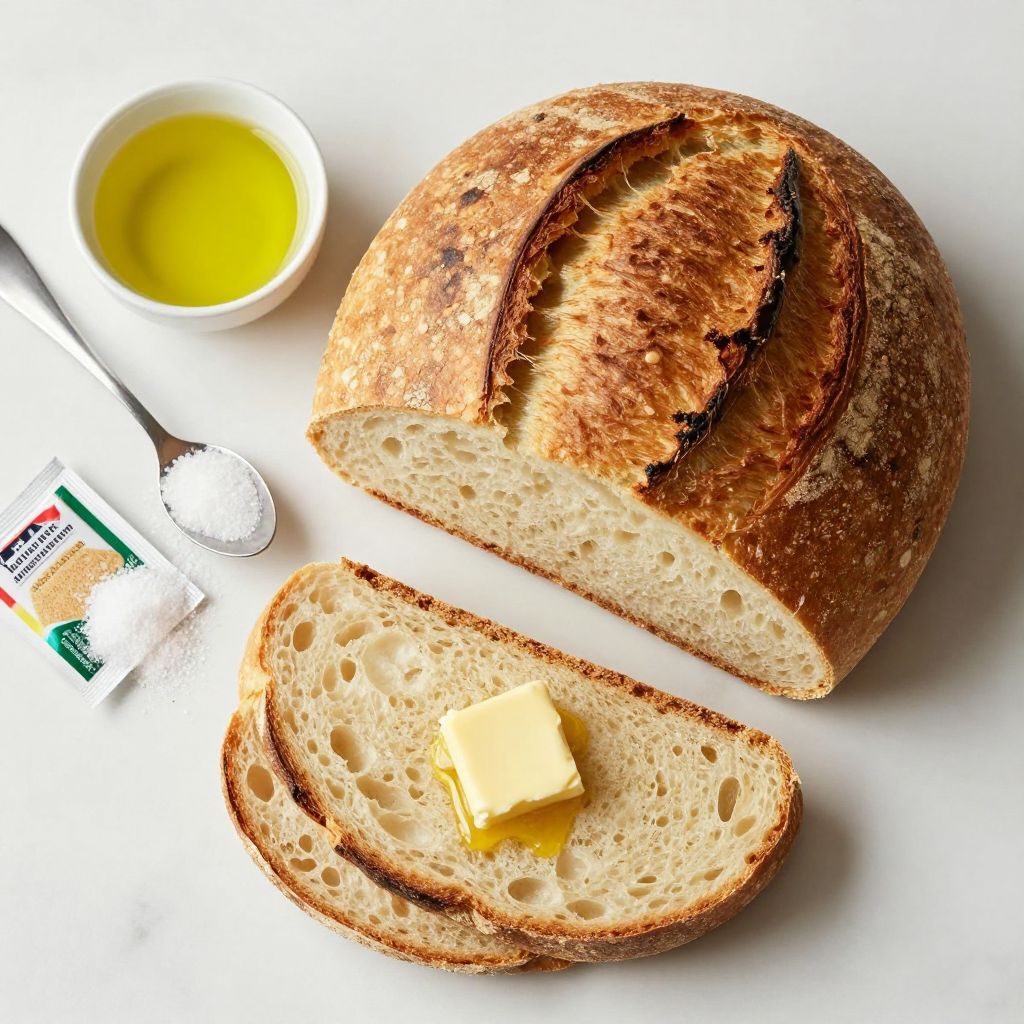
My family couldn’t wait to dig in, and the first slice with butter melted right on top was a moment of pure bliss. Each bite reminded me of my grandmother’s kitchen, filled with love and warmth.
Recipe Overview
- Recipe Name: Homemade Bread
- Servings: 12 slices
- Prep Time: 15 minutes
- Cook Time: 30 minutes
- Total Time: 45 minutes
- Course: Bread
- Cuisine: American
- Calories per Serving: 120
Equipment You Will Need
- Large mixing bowl
- Wooden spoon
- Measuring cups and spoons
- Loaf pan
- Kitchen towel
- Oven
Ingredients for Homemade Bread
- 3 1/4 cups all-purpose flour
- 1 packet (2 1/4 teaspoons) active dry yeast
- 1 tablespoon sugar
- 1 teaspoon salt
- 1 1/4 cups warm water (about 110°F)
- 2 tablespoons olive oil
Ingredient Notes and Substitutions
- All-purpose flour: Gives the bread structure. You can use bread flour for a chewier texture.
- Active dry yeast: Helps the bread rise. Instant yeast can be used without proofing.
- Sugar: Feeds the yeast for better rise. Honey is a great natural substitute.
- Salt: Enhances flavor. Sea salt can be used as an alternative.
- Warm water: Activates the yeast. Milk can be used for a richer flavor.
- Olive oil: Adds moisture. You can substitute with melted butter.
How to Make Homemade Bread
Step 1: Activate the Yeast
In a large mixing bowl, combine the warm water, sugar, and yeast. Let it sit for about 5-10 minutes until it becomes frothy, indicating the yeast is active.
Step 2: Mix the Dry Ingredients
In another bowl, whisk together the flour and salt. This ensures an even distribution of ingredients.
Step 3: Combine Wet and Dry Ingredients
Once the yeast mixture is frothy, add it to the dry ingredients along with the olive oil. Stir until a dough starts to form.
Step 4: Knead the Dough
Turn the dough onto a floured surface and knead for about 8-10 minutes. This develops gluten, which gives the bread its structure.
Step 5: First Rise
Place the kneaded dough in a lightly oiled bowl and cover it with a kitchen towel. Let it rise in a warm place for about 1 hour, or until it doubles in size.
Step 6: Shape the Dough
After the first rise, punch down the dough to release air. Shape it into a loaf and place it into a greased loaf pan.
Step 7: Second Rise
Cover the loaf with the kitchen towel again and let it rise for another 30 minutes. This helps create a lighter texture in the bread.
Step 8: Bake the Bread
Preheat your oven to 375°F. Bake the loaf for 25-30 minutes or until it sounds hollow when tapped. Allow it to cool before slicing.
Pro Tip: Make sure your water is warm, not hot, to avoid killing the yeast.
Tips for the Best Homemade Bread
- Use a kitchen thermometer to check water temperature for optimal yeast activation.
- Let the dough rise in a warm, draft-free area for best results.
- Kneading is key; don’t skip it if you want a good texture.
- For a crustier loaf, place a pan with water in the oven while baking.
- Always let the bread cool completely before slicing to maintain its structure.
Common Mistakes to Avoid
- Using cold water can kill the yeast and prevent rising.
- Not kneading enough can lead to dense bread.
- Skipping the second rise makes for a heavy loaf.
- Not measuring ingredients accurately can ruin the dough’s consistency.
Serving Suggestions
This homemade bread pairs wonderfully with various dishes.
- Enjoy it fresh with butter and jam.
- Use it for sandwiches filled with your favorite ingredients.
- Serve with soups for a cozy meal.
- Make garlic bread by adding garlic and herbs to the butter.
Variations to Try
- Add herbs like rosemary or thyme for a flavorful twist.
- Incorporate seeds such as sunflower or sesame for added crunch.
- Try mixing in cheese for a savory bread option.
- Use whole wheat flour for a healthier alternative.
Dietary Adaptations
- Gluten-free: Use a gluten-free flour blend, but expect different texture.
- Dairy-free: This recipe is already dairy-free; just skip dairy toppings.
- Vegetarian: Naturally vegetarian; no adjustments needed.
- Low-carb/keto: Substitute flour with almond or coconut flour but adjust liquid ratios.
Storage and Reheating
Refrigerator
Store the bread in an airtight container in the fridge for up to one week.
- Wrap it in plastic wrap to maintain moisture.
- Slice as needed to avoid exposing the entire loaf to air.
Freezer
Freeze slices in an airtight bag for up to three months.
- Separate slices with parchment paper to prevent sticking.
- Label the bag with the date for easy tracking.
Reheating
Reheat slices in a toaster or warm in the oven until heated through.
- For a crispy crust, wrap in foil and warm in the oven.
- Microwave briefly, but it may lose its crustiness.
Nutrition Information
| Nutrient | Amount |
|---|---|
| Calories | 120 |
| Total Fat | 1.5g |
| Saturated Fat | 0g |
| Carbohydrates | 24g |
| Fiber | 1g |
| Sugar | 1g |
| Protein | 4g |
| Sodium | 200mg |
| Cholesterol | 0mg |
This nutritional information is an estimate and may vary based on specific ingredients used.
Frequently Asked Questions
Can I use whole wheat flour instead of all-purpose flour?
Yes, but it may require adjusting the liquid and the texture will be denser.
Can I make this bread ahead of time?
Absolutely! You can prepare the dough, let it rise, then refrigerate it overnight for baking the next day.
How do I store leftover bread?
Keep it in an airtight container at room temperature for up to a week or freeze for longer storage.
Why is my bread dense?
This usually happens from not kneading enough or not allowing it to rise properly.
Can I add herbs or cheese to the dough?
Yes! Adding flavors like herbs or cheese can elevate your bread experience.
Final Thoughts
Baking your own bread is a rewarding process that fills your home with warmth and delightful scents. I encourage you to give this Homemade Bread recipe a try — you won’t regret it!
If you’re interested in exploring more bread recipes, check out my Honey Wheat Bread Recipe or try your hand at a Sourdough Baguette Recipe. Happy baking!
Homemade Bread
Ingredients
Equipment
Method
- In a large mixing bowl, combine the warm water, sugar, and yeast. Let it sit for about 5-10 minutes until it becomes frothy.
- In another bowl, whisk together the flour and salt.
- Once the yeast mixture is frothy, add it to the dry ingredients along with the olive oil. Stir until a dough starts to form.
- Turn the dough onto a floured surface and knead for about 8-10 minutes.
- Place the kneaded dough in a lightly oiled bowl and cover it with a kitchen towel. Let it rise in a warm place for about 1 hour, or until it doubles in size.
- After the first rise, punch down the dough to release air. Shape it into a loaf and place it into a greased loaf pan.
- Cover the loaf with the kitchen towel again and let it rise for another 30 minutes.
- Preheat your oven to 375°F. Bake the loaf for 25-30 minutes or until it sounds hollow when tapped. Allow it to cool before slicing.