
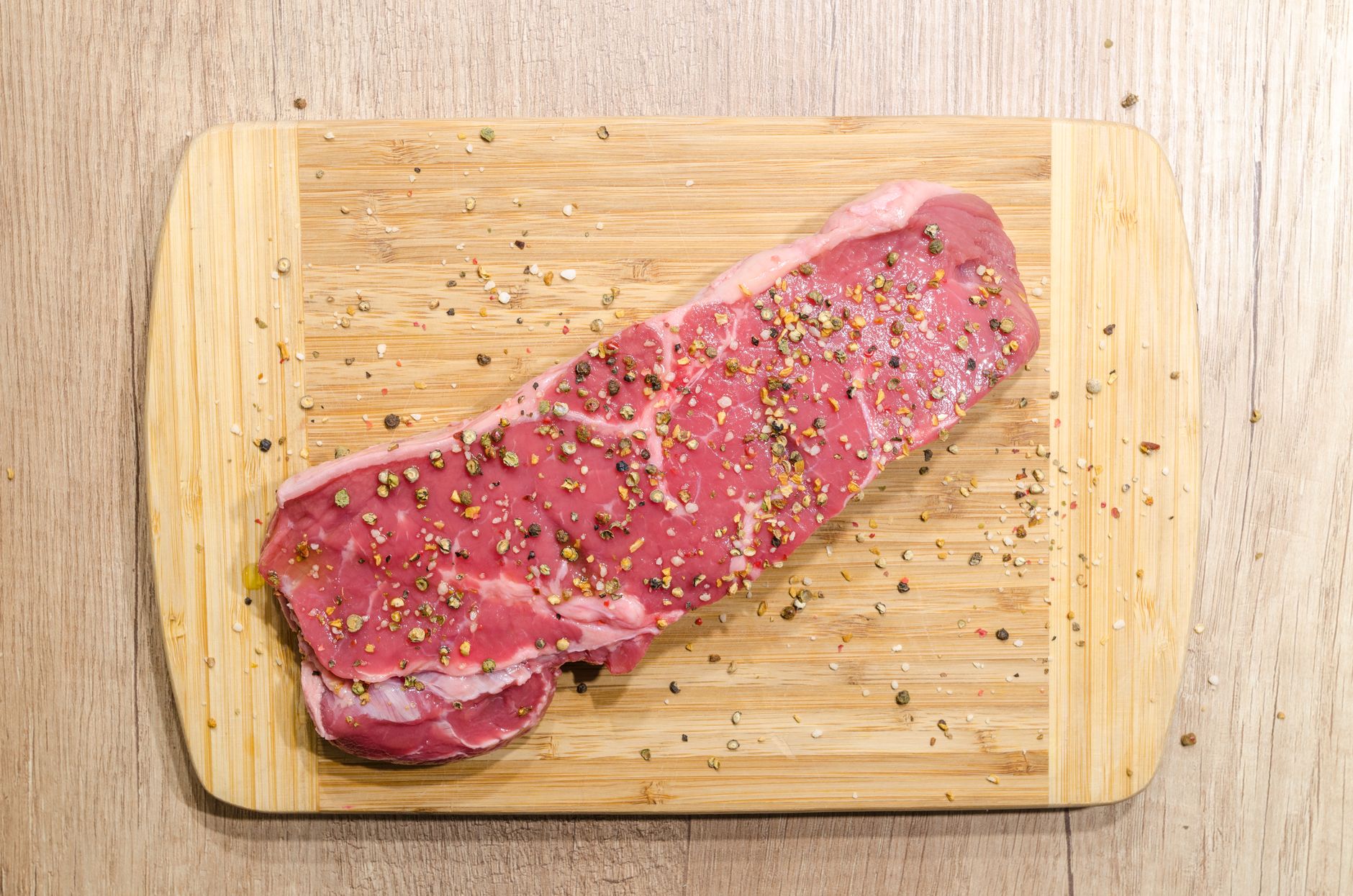
Prime Can refers to a specific type of canned food, usually rich in flavor and protein. This versatile ingredient can be a quick meal solution and is a staple in many kitchens. Understanding its characteristics and uses can equip you with various practical cooking techniques and serving ideas, allowing for creativity and efficiency in meal planning.
In this comprehensive guide, we will explore everything you need to know about Prime Can—from its types and nutritional facts to practical kitchen uses and serving ideas. You will learn how to choose, store, and incorporate Prime Can into your cooking, making mealtime easier and more enjoyable.
What is Prime Can?
Prime Can typically refers to high-quality canned foods, which can include meats, vegetables, or complete meals. These products are known for their longer shelf life and convenience, making them popular among busy households and outdoor enthusiasts. Most prominently used in camping trips and emergency kits, these cans serve as a quick source of nourishment when fresh ingredients are unavailable.
Nutritional Facts of Prime Can
The nutritional profile of Prime Can varies significantly based on its contents. Generally, canned proteins like meats are a source of protein, fats, and essential nutrients. However, it is essential to read labels for specific information on sodium, fat content, and presence of preservatives.
- Protein: A vital macronutrient, protein helps in muscle repair and growth.
- Fats: Some varieties can contain healthy fats, depending on the contents.
- Vitamins and Minerals: Canned vegetables may retain many vitamins and minerals, although some may be lost in the canning process.
- Sodium: Processed canned foods can be high in sodium, so it’s good practice to monitor intake.
- Calories: The calorie count can widely vary, depending on the ingredients used.
Choosing the Right Prime Can
When shopping for Prime Can products, consider the following tips to ensure you choose high-quality options that fit your needs:
- Check the Expiration Date: Always look for the latest expiration or best-by date on the label to ensure freshness.
- Inspect the Can: Look for any dents, bulges, or rust, which can indicate compromised integrity and a potential safety hazard.
- Read Ingredients: Choose products with minimal preservatives and fewer artificial additives for a healthier option.
- Brand Reputation: Opt for brands known for quality and safety in their canning processes.
Kitchen Uses for Prime Can
Prime Can products can be incorporated into numerous dishes, allowing for creativity and efficiency in your meals. Here are some practical uses:
1. Quick Meals
Prime Can can be the base for a quick meal. Simply heat the contents and serve them over rice, pasta, or in a salad.
2. Soups and Stews
Add canned proteins or vegetables to homemade soups and stews for enhanced flavor and nutrition. They can serve as a time saver, reducing prep time significantly.
3. Casseroles
Mix canned ingredients with rice or pasta and bake for a hearty casserole. This method allows for various flavor combinations and is perfect for meal prepping.
4. Sandwiches and Wraps
Canned meats, beans, or vegetables make excellent fillings for sandwiches and wraps, providing protein and nutrients on the go.
5. Snacks and Appetizers
Use canned ingredients as a dip or part of a charcuterie board. For example, canned beans combined with spices make a great bean dip.
Serving Ideas for Prime Can
Here, we highlight some creative serving ideas that emphasize the flavor and versatility of Prime Can:
1. Canned Meat Salad
Mix canned meat such as chicken or tuna with fresh vegetables, nuts, and a tangy dressing. Serve it on a bed of greens for a refreshing meal.
2. Pasta with Creamy Canned Sauce
Heat canned tomatoes with cream and your choice of herbs or spices. Toss with cooked pasta for a delicious and satisfying dish.
3. Comfort Chili
Cook canned beans with diced tomatoes, corn, and spices to create a hearty chili. Top it with cheese and sour cream for added flavor.
4. Quesadillas
Fill tortillas with canned meats, cheese, and veggies. Grill them until crispy for an easy dish that’s perfect for all ages.
5. Breakfast Scramble
Add canned vegetables or meats to scrambled eggs for a protein-packed breakfast option. Serve with toast or as a breakfast burrito.
Common Mistakes and Troubleshooting
Using Prime Can products can make cooking easier, but some common mistakes can diminish the quality of your dish. Here’s how to avoid them:
- Not Rinsing Canned Goods: Depending on the product, not rinsing canned beans or vegetables can lead to higher sodium levels or an off taste. Rinse items under cold water before use.
- Ignoring Best Pairing Practices: While canned items are versatile, some canned products pair better than others. Understanding flavor profiles helps in achieving a balanced dish.
- Overcooking: Canned foods are generally pre-cooked. Therefore, they only need to be heated until warmed through to avoid mushiness.
Storage and Reheating Tips for Prime Can
Storing and reheating Prime Can products properly can extend their shelf life and retain their flavors. Here are essential guidelines:
- Storage: Keep unopened cans in a cool, dry place. After opening, transfer any unused contents to an airtight container and store them in the refrigerator.
- Reheating: When reheating, ensure that the food reaches at least 165°F (74°C) for safety. Use a microwave-safe dish or heat in a pot on the stove.
Meal Planning with Prime Can
Incorporating Prime Can in your meal planning can facilitate quick and nutritious meals throughout the week. Here’s a simple process:
- Plan Your Meals: Consider incorporating canned items at least two to three times a week. For options, think about soups, casseroles, or stir-fries.
- Batch Cooking: Use canned goods to create bulk meals that can be refrigerated or frozen for later. This can include chili, curry, or vegetable stew.
- Ingredient Overlap: Think about how one item can be used in different dishes. For example, canned beans can be used for tacos, salads, and soups.
Practical Substitutions and Variants for Prime Can
If you find yourself short on a specific canned item, several substitutions can enhance flavors without compromising the dish:
- Canned Chicken: Substitute with canned tuna or chickpeas for a different flavor and texture.
- Canned Tomatoes: Use crushed fresh tomatoes or tomato sauce in recipes where canned tomatoes are called for.
- Canned Beans: If you lack canned beans, dry beans that are soaked and cooked can work as a suitable substitute; just account for additional cooking time.
Conclusion
In summary, Prime Can foods serve as indispensable components in your kitchen. Versatile, affordable, and time-saving, they provide numerous options for delicious and nutritious meals. By understanding how to select, store, and use these canned products creatively, you can maximize their potential while ensuring that you and your family enjoy diverse meals without hassle.
For more delicious meal ideas, check out our boneless prime rib recipe and learn how to make a flavorful prime rib rub that can elevate any dish to restaurant-quality comfort. Explore these culinary treasures today!