
Nothing beats waking up to the smell of butter sizzling in a hot pan and watching a single pancake puff up into a golden, fluffy cloud of breakfast bliss. This pancake recipe for one solves the age-old problem of wanting fresh pancakes without the leftovers, the fuss, or the math of scaling down a family recipe.
Whether you’re flying solo at the breakfast table, meal-prepping for the week, or just craving pancakes without heating up the entire kitchen, this recipe delivers restaurant-quality results in under 15 minutes. The pancakes come out tender on the inside with a perfectly crispy exterior, and the whole process is so simple you won’t need to consult your notes twice.
Why You’ll Love This Recipe
This recipe strips away the complexity and gives you exactly what you need: a single, generous serving of fluffy pancakes that taste like someone else made them for you.
- Single serving means no waste and no stale pancakes sitting in your fridge.
- Ready in 15 minutes from start to plate.
- Uses pantry staples you already have at home.
- Flexible enough to customize with mix-ins, toppings, or flavor swaps.
- Perfect texture: crispy edges with a soft, pillowy center.
My Experience Making This Recipe
I stumbled onto this recipe out of pure necessity one Saturday morning when I couldn’t find anyone else awake to share a full batch with. I mixed the batter in a bowl that’s barely bigger than my hand and cooked the whole thing in my trusty 8-inch nonstick skillet.
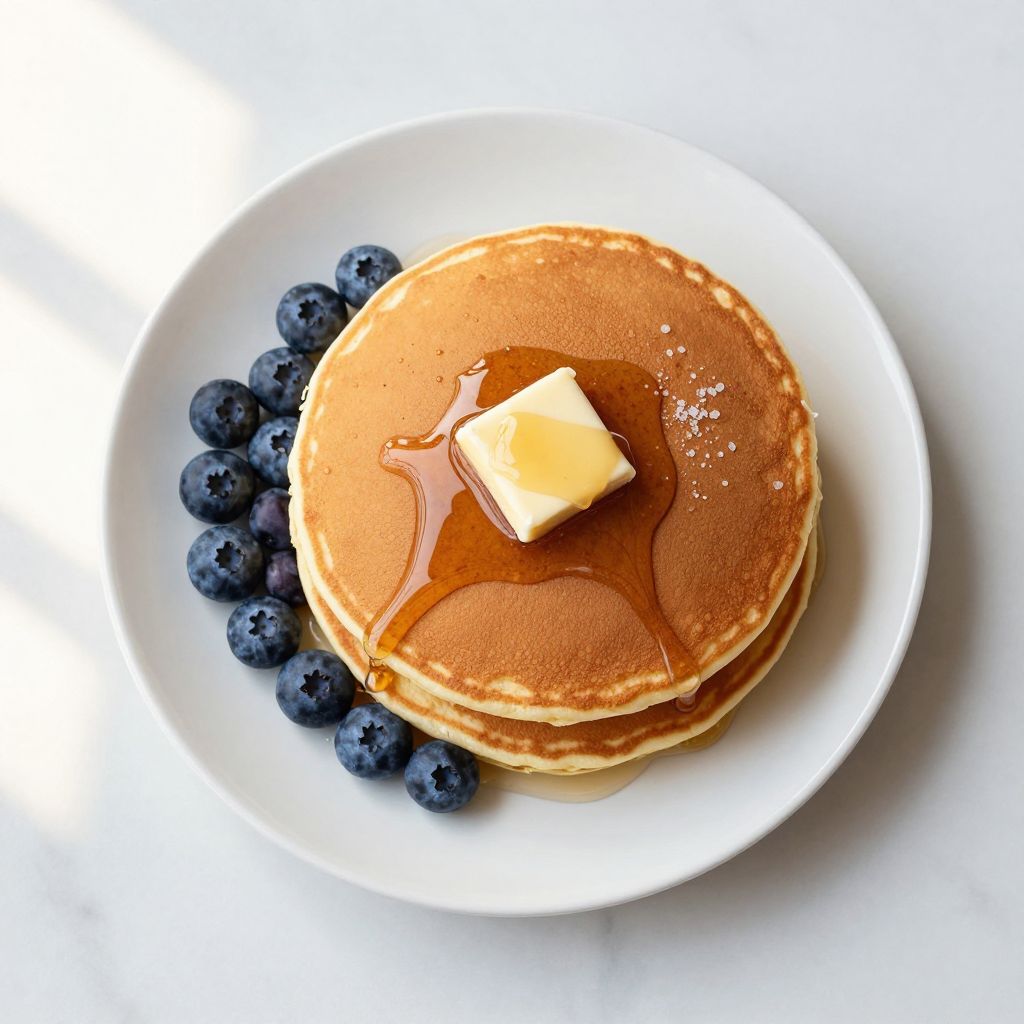
The first pancake that flipped onto my plate was a revelation. It had this gorgeous golden-brown exterior with tiny bubbles ready to burst, and the inside was almost custard-like in the best way possible. The butter melted right into the fluffy layers, and I tasted real vanilla and a hint of cinnamon in every bite.
Now I make this at least twice a week because it’s become my go-to breakfast that feels indulgent but takes barely any time. Friends always ask why my single pancake looks restaurant-quality, and the answer is simple: when you’re cooking for one, you can actually pay attention to what’s happening in the pan.
Recipe Overview
- Recipe Name: Pancake Recipe for One
- Servings: 1 (yields 2 pancakes)
- Prep Time: 5 minutes
- Cook Time: 8 minutes
- Total Time: 13 minutes
- Course: Breakfast
- Cuisine: American
- Calories per Serving: 320
Equipment You Will Need
- Small mixing bowl
- Measuring spoons and cups
- Fork or small whisk
- 8-inch nonstick skillet or griddle
- Spatula (silicone works great)
- Plate for serving
Ingredients for Pancake Recipe for One
- 1/2 cup all-purpose flour
- 1/2 tablespoon sugar
- 1/2 teaspoon baking powder
- Pinch of salt
- 1/2 cup whole milk
- 1/4 teaspoon vanilla extract
- 1/4 tablespoon unsalted butter, plus extra for cooking
- Optional: 1/8 teaspoon ground cinnamon, 1/4 teaspoon lemon zest, or 2 tablespoons blueberries
Ingredient Notes and Substitutions
- All-Purpose Flour: This is the backbone of your pancake structure, providing gluten for lift and elasticity. Swap in whole wheat flour for a nuttier flavor, but reduce to 1/3 cup and add 2 tablespoons extra milk to keep them moist.
- Baking Powder: This is what makes your pancakes fluffy instead of dense and crêpe-like. There’s no good substitute for leavening, so don’t skip it.
- Whole Milk: Whole milk creates tender, rich pancakes with better browning. Use 2% milk for lighter results, or swap in buttermilk for tangier, fluffier pancakes by reducing the baking powder to 1/4 teaspoon.
- Butter: Melted butter adds richness and helps you achieve that golden exterior. Coconut oil or vegetable oil will work in a pinch, but you’ll lose some of the buttery flavor.
- Vanilla Extract: This amplifies the cozy pancake flavor without making them taste like vanilla ice cream. Skip it if you don’t have it, or use a tiny pinch of almond extract for something different.
How to Make Pancake Recipe for One
Step 1: Gather and Measure Your Dry Ingredients
Combine 1/2 cup all-purpose flour, 1/2 tablespoon sugar, 1/2 teaspoon baking powder, and a pinch of salt in your small mixing bowl. Whisking these together helps distribute the baking powder evenly so your pancakes rise uniformly instead of having lumpy spots.
Step 2: Melt Your Butter
Place 1/4 tablespoon butter in a small heat-safe bowl or measuring cup and microwave for about 10 seconds until melted. Melted butter incorporates into the batter smoothly and prevents lumps, unlike cold butter which can clump up and create dense pockets.
Step 3: Combine the Wet Ingredients
Pour 1/2 cup whole milk into your melted butter, then add 1/4 teaspoon vanilla extract and stir gently with a fork. Mixing these together first ensures the vanilla is evenly distributed and the milk doesn’t cool the butter too much.
Step 4: Create the Batter
Pour the wet ingredients into the dry ingredients and stir with a fork until just combined, leaving small lumps throughout. Overmixing develops gluten, which makes pancakes tough and chewy instead of tender and cloud-like, so stop as soon as you don’t see dry flour.
Step 5: Let the Batter Rest
Allow the batter to sit for 2 to 3 minutes while you heat your skillet. This rest period lets the flour absorb the liquid fully and allows the baking powder to start activating, which sets you up for fluffier pancakes.
Step 6: Heat Your Skillet
Place your 8-inch nonstick skillet over medium heat and add a small knob of butter (about 1/2 teaspoon). Once the butter is foaming and smells nutty, your pan is at the perfect temperature, which you’ll know when a drop of water sizzles immediately without evaporating too fast.
Step 7: Pour and Cook the First Pancake
Pour half of your batter into the center of the skillet and let it spread naturally for about 2 to 3 seconds before resisting the urge to touch it. When you see bubbles forming on the surface and the edges look slightly set and dry (about 2 to 3 minutes), the bottom is golden and it’s time to flip.
Step 8: Flip and Finish
Using a confident, quick motion, flip the pancake to the other side and cook for another 1 to 2 minutes until the bottom is golden brown. The second side cooks faster because the pan is already hot and the pancake is already cooked through on the first side, so watch it closely.
Step 9: Cook the Second Pancake
Transfer your first pancake to a plate and repeat the pour-and-cook process with the remaining batter using the same technique. By the time you’re flipping the second pancake, the first one is still warm and ready for toppings.
Pro Tip: Don’t flip your pancakes more than once, and wait until you see bubbles on top before flipping for the first time, because flipping too early or too often deflates them.
Tips for the Best Pancake Recipe for One
- Use a nonstick skillet or well-seasoned cast iron to prevent sticking and get even browning without needing excess butter.
- Keep your batter slightly lumpy; lumps disappear during cooking and actually help trap steam for fluffiness.
- Test your pan temperature with a single drop of water; it should sizzle immediately without evaporating in a flash.
- Resist the urge to press down on your pancakes with your spatula while they cook, as this crushes the air bubbles you worked hard to create.
- Serve pancakes immediately on a warm plate rather than stacking them while they cool, which traps steam and makes them soggy.
- If you want your pancakes extra fluffy, separate one egg, fold the beaten egg white into the batter just before cooking, and reduce the milk to 6 tablespoons.
Common Mistakes to Avoid
- Overmixing the batter creates tough, dense pancakes because you’re developing too much gluten. Mix just until you don’t see dry flour.
- Cooking on heat that’s too low results in pale, rubbery pancakes that never brown properly. Medium heat is your sweet spot.
- Flipping too early tears the pancake apart because the bottom isn’t set; wait for bubbles to appear on top before flipping.
- Using cold milk straight from the fridge can make your batter lumpy and prevent even cooking. Let it come closer to room temperature first.
- Skipping the rest period after mixing rushes the baking powder’s activation, leading to flat pancakes that won’t rise properly.
Serving Suggestions
A single serving of pancakes is the perfect canvas for whatever toppings and syrups speak to you that morning. Stack them high and go wild, because there’s no judgment when you’re eating for one.
- Classic butter and warm maple syrup with a sprinkle of flaky sea salt on top.
- Greek yogurt, fresh berries, and a drizzle of honey for a protein-packed breakfast.
- Creamy peanut butter, sliced banana, and a light dusting of powdered sugar.
- Whipped cream, fresh strawberries, and a squeeze of fresh lemon juice for brightness.
- Nutella and sliced hazelnuts for an indulgent weekend treat.
Variations to Try
- Blueberry Pancakes: Fold 1/4 cup fresh blueberries into the batter just before cooking for bursts of tart sweetness throughout.
- Cinnamon Roll Pancakes: Mix 1/8 teaspoon ground cinnamon into the dry ingredients and drizzle with cream cheese icing after cooking for that cozy spiced flavor.
- Lemon Pancakes: Add 1/4 teaspoon lemon zest to the dry ingredients and replace vanilla with a squeeze of fresh lemon juice in the wet ingredients for a bright, spring-like flavor.
- Chocolate Chip Pancakes: Sprinkle 2 tablespoons chocolate chips directly onto the batter after pouring into the pan so they melt into warm pockets.
- Banana Pancakes: Mash 1/4 banana into the wet ingredients for natural sweetness and a tender crumb that tastes like banana bread.
Dietary Adaptations
- Gluten-Free: Swap all-purpose flour for a 1-to-1 gluten-free flour blend and add 1 tablespoon extra milk to compensate for the blend’s drying effect.
- Dairy-Free: Use unsweetened almond milk or oat milk instead of whole milk and dairy-free butter for cooking, though the flavor will be slightly lighter.
- Vegan: Replace the milk with a plant-based alternative, skip the butter and use coconut oil, and use baking powder as your only leavening agent.
- Low-Carb or Keto: Replace regular flour with almond flour, use a sugar substitute like erythritol, and stick to 1/3 cup almond flour with 2 tablespoons coconut flour for structure and fewer carbs per serving.
Storage and Reheating
Refrigerator
Cooked pancakes keep well in the fridge for up to 3 days when stored in an airtight container with parchment paper between each pancake to prevent sticking. Stack them with the parchment so they don’t fuse together.
- Let pancakes cool to room temperature before refrigerating to prevent condensation.
- Transfer to an airtight container to keep them from drying out.
- Separate layers with parchment paper for easy retrieval.
Freezer
Pancakes freeze beautifully for up to 2 months, making them perfect for meal prep on lazy mornings. Flash-freeze them on a baking sheet first, then transfer to a freezer bag to save space.
- Cool pancakes completely before freezing.
- Lay them flat on a baking sheet and freeze for 1 hour before bagging.
- Label with the date so you know how long they’ve been frozen.
Reheating
Reheat pancakes in a toaster oven at 350 degrees for about 5 minutes, or pop them in the toaster on a low setting for 1 to 2 minutes. Avoid the microwave because it makes them rubbery, and the toaster method restores their crispy exterior and fluffy inside.
- Toaster oven gives the most even, gentle reheating for a texture closest to fresh.
- Toaster setting works in a pinch for one or two pancakes.
- Never microwave, as this creates a rubbery texture.
Nutrition Information
| Nutrient | Amount |
|---|---|
| Calories | 320 |
| Total Fat | 8 g |
| Saturated Fat | 4.5 g |
| Carbohydrates | 52 g |
| Fiber | 1 g |
| Sugar | 6 g |
| Protein | 9 g |
| Sodium | 420 mg |
| Cholesterol | 28 mg |
These values are estimates based on standard ingredients and serving size. Toppings and mix-ins will add to the calorie and nutrient counts.
Frequently Asked Questions
Can I make the batter ahead of time?
Yes, you can mix the dry ingredients the night before and store them in an airtight container. Mix the wet ingredients fresh just before cooking for the fluffiest results, since baking powder begins activating as soon as it touches liquid.
What if my pancakes are too thick or too thin?
Thick pancakes mean your batter is too dry; add a tablespoon of milk and stir gently to thin it out. Thin pancakes mean your batter is too wet; add a tablespoon of flour and mix until you reach a consistency somewhere between cake batter and pancake batter.
Can I use buttermilk instead of regular milk?
Absolutely, and your pancakes will be even fluffier. If you use buttermilk, reduce the baking powder to 1/4 teaspoon because buttermilk is acidic and reacts with baking soda for extra lift.
Why are my pancakes coming out rubbery?
Rubbery pancakes usually mean you’ve overmixed the batter or cooked them at too high heat. Mix just until combined and cook on medium heat where the pancakes brown gently rather than burning.
Can I add protein powder to the batter?
Yes, swap 2 tablespoons of flour for 2 tablespoons vanilla protein powder and add an extra tablespoon of milk to keep them moist. The pancakes will be slightly denser but packed with extra protein.
What’s the best way to keep pancakes warm if I’m cooking them back to back?
Place finished pancakes on a plate in a warm (but not hot) oven at 200 degrees while you finish cooking the rest. Don’t cover them, as trapped steam will make them soggy.
Final Thoughts
This pancake recipe for one has become my answer to the question “What’s for breakfast?” on mornings when I want something that feels special without the fuss. There’s something deeply satisfying about making exactly what you want, in exactly the portion you need, with zero waste and maximum flavor.
Give this recipe a try, and I promise you’ll be making it again soon. Whether you stick with the classic version or experiment with the variations, you’re just 13 minutes away from breakfast that tastes like someone who actually knows what they’re doing made it for you.
Explore more easy breakfast options on our site, like our easy pancake recipe with just 3 ingredients for super-simple mornings, or check out our copycat IHOP pancake recipe for restaurant-quality results at home.
Pancake Recipe for One
Ingredients
Equipment
Method
- Combine 1/2 cup all-purpose flour, 1/2 tablespoon sugar, 1/2 teaspoon baking powder, and a pinch of salt in a small mixing bowl.
- Melt 1/4 tablespoon unsalted butter in a small heat-safe bowl in the microwave for 10 seconds.
- Pour 1/2 cup whole milk into the melted butter and stir in 1/4 teaspoon vanilla extract until combined.
- Pour the wet ingredients into the dry ingredients and stir with a fork until just combined, leaving small lumps, about 30 seconds.
- Let the batter rest for 2 to 3 minutes to allow the baking powder to activate.
- Heat an 8-inch nonstick skillet over medium heat and add a small knob of butter; heat until foaming and sizzling.
- Pour half of the batter into the center of the skillet and cook for 2 to 3 minutes, until bubbles form on the surface and edges look set.
- Flip the pancake and cook for an additional 1 to 2 minutes until golden brown.
- Transfer the cooked pancake to a plate and repeat with the remaining batter following the same cooking times.