
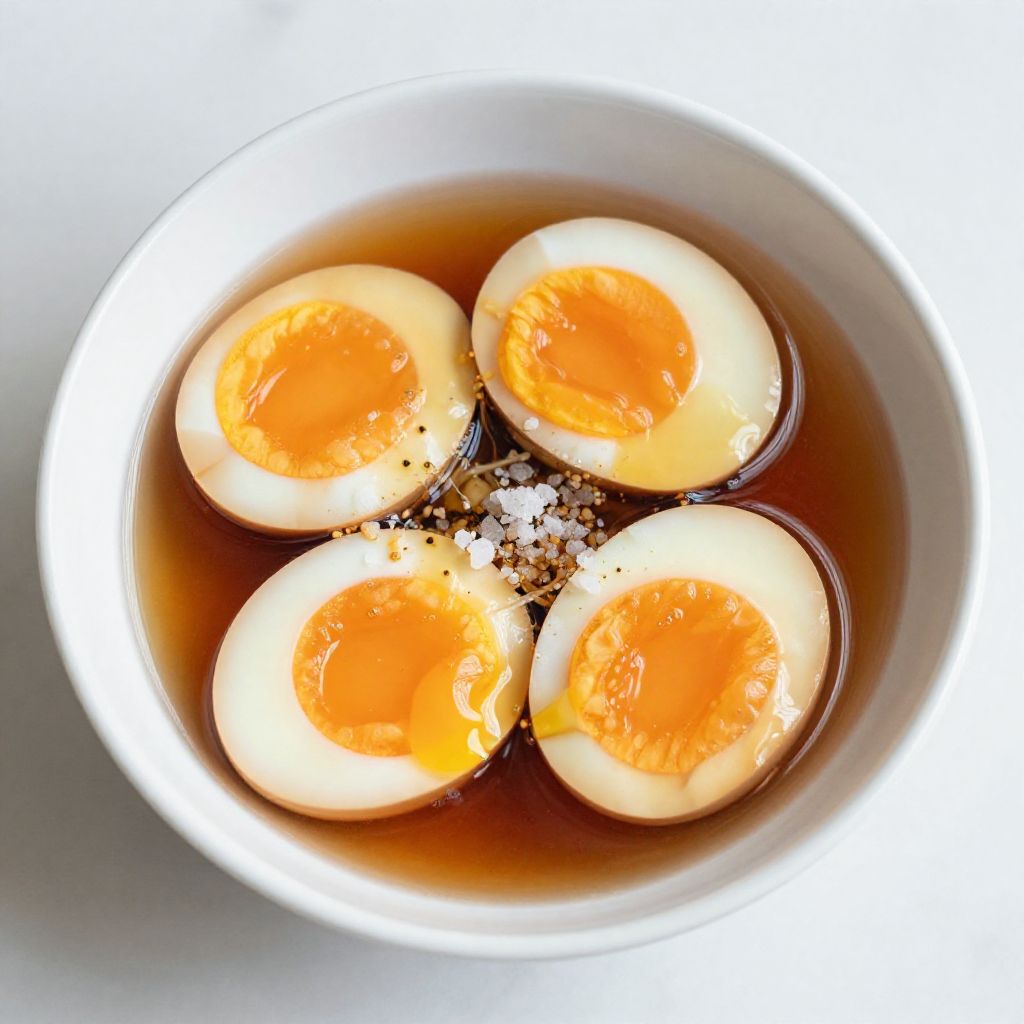
Picture this: a comforting bowl of silky, soft-boiled eggs, cradled gently in a warm broth. That’s the magic of Onsen Tamago, a Japanese delicacy that brings a touch of tranquility to your table.
Often enjoyed in hot springs or as part of a traditional meal, this dish is celebrated for its creamy texture and subtle flavor, making it a versatile addition to various dishes. With just a few simple steps, you can master this delightful egg dish at home, impressing your family and friends with your culinary skills.
Why You’ll Love This Recipe
Onsen Tamago is a unique and delicious dish that’s worth making at home.
- Soft and creamy texture that melts in your mouth.
- Versatile—perfect for breakfast, lunch, or dinner.
- Can be paired with rice, soups, or salads for a gourmet touch.
- Easy to make with just a few ingredients.
- Brings a taste of Japan right to your kitchen.
My Experience Making This Recipe
Every time I prepare Onsen Tamago, it feels like a cozy ritual. The gentle bubbling of the water and the anticipation of that perfect yolk create a delightful atmosphere in my kitchen.
My family loves the delicate flavor and creamy texture, and I often hear them say it reminds them of our trips to Japan. It’s a small yet meaningful way to keep those memories alive.
Recipe Overview
- Recipe Name: Onsen Tamago
- Servings: 4
- Prep Time: 5 minutes
- Cook Time: 15 minutes
- Total Time: 20 minutes
- Course: Breakfast or Side Dish
- Cuisine: Japanese
- Calories per Serving: 70
Equipment You Will Need
- Medium-sized pot
- Thermometer
- Slotted spoon
- Small bowl
- Timer
Ingredients for Onsen Tamago
- 4 large eggs
- Water (enough to fill the pot)
- Salt (for seasoning)
Ingredient Notes and Substitutions
- Eggs: Fresh eggs work best for a creamy texture. If you prefer, you can use pasteurized eggs.
- Water: Water is essential for cooking the eggs gently. You may also use broth for added flavor.
How to Make Onsen Tamago
Step 1: Prepare the Water Bath
Fill a medium-sized pot with water and heat it to about 70°C (158°F). This temperature is crucial for achieving the perfect texture.
Step 2: Add the Eggs
Once the water reaches the desired temperature, gently place the eggs in the pot. Make sure to lower them slowly to avoid cracking.
Step 3: Set a Timer
Cover the pot and set a timer for 15 minutes. This is the sweet spot for a creamy yolk and tender whites.
Step 4: Prepare an Ice Bath
While the eggs cook, prepare a bowl of ice water. This will stop the cooking process quickly once the eggs are done.
Step 5: Transfer the Eggs
After 15 minutes, use a slotted spoon to transfer the eggs to the ice bath. Let them cool for about 5 minutes.
Step 6: Crack and Serve
Gently crack the eggs into a small bowl. The whites should be set while the yolks remain beautifully runny.
Step 7: Season to Taste
Sprinkle a little salt over the eggs to enhance their flavor. You can also drizzle some soy sauce or dashi for added depth.
Step 8: Enjoy!
Serve your Onsen Tamago warm and enjoy it as a side dish, on rice, or in your favorite soup. It’s a warm hug in a bowl!
Pro Tip: For the best texture, ensure your water temperature remains constant throughout the cooking process.
Tips for the Best Onsen Tamago
- Use fresh eggs for superior flavor and texture.
- Keep a thermometer handy to monitor water temperature accurately.
- Don’t rush the cooking time; patience is key for that perfect consistency.
- Experiment with different flavorings to enhance the dish.
- Consider serving with a light broth for a soothing meal.
Common Mistakes to Avoid
- Using boiling water: This can overcook the eggs and ruin the texture.
- Skipping the ice bath: This is necessary to stop the cooking process.
- Not monitoring the temperature: A consistent temperature is crucial for success.
- Cracking the eggs too forcefully: This can lead to a messy presentation.
Serving Suggestions
Onsen Tamago pairs beautifully with various dishes, making it a versatile option.
- Serve it over steamed rice for a comforting meal.
- Add it to ramen for a delicious topping.
- Include it in salads for an extra protein boost.
- Enjoy it with a light soy sauce for a simple yet flavorful dish.
Variations to Try
- Add a sprinkle of furikake for extra umami flavor.
- Drizzle with sesame oil for a nutty twist.
- Incorporate fresh herbs like chives or cilantro for a burst of freshness.
- Serve with pickled vegetables for a delightful contrast.
Dietary Adaptations
- Gluten-Free: This dish is naturally gluten-free.
- Dairy-Free: It contains no dairy, making it a great option for lactose-intolerant individuals.
- Vegan/Vegetarian: Unfortunately, this dish is not suitable for vegans.
- Low-Carb/Keto: Onsen Tamago is a low-carb dish, perfect for keto diets.
Storage and Reheating
Refrigerator
Store leftover Onsen Tamago in the refrigerator for up to 2 days.
- Keep them in their shells until ready to eat.
- Place in an airtight container for best results.
Freezer
Freezing is not recommended as it can negatively affect the texture.
- Eggs may become rubbery when thawed.
Reheating
To reheat, gently warm the eggs in hot water for a few minutes.
- Avoid boiling water to prevent overcooking.
Nutrition Information
| Nutrient | Amount |
|---|---|
| Calories | 70 |
| Total Fat | 5g |
| Saturated Fat | 1.5g |
| Carbohydrates | 1g |
| Fiber | 0g |
| Sugar | 0g |
| Protein | 6g |
| Sodium | 60mg |
| Cholesterol | 186mg |
This nutrition information is approximate and may vary based on specific ingredients used.
Frequently Asked Questions
Can I use other types of eggs?
Yes, you can use medium or extra-large eggs, but cooking time may vary slightly.
Can I make these eggs ahead of time?
Absolutely! Just store them in the refrigerator and enjoy them within two days.
How do I know if the eggs are cooked properly?
The whites should be set, and the yolks should be runny. If they are too firm, reduce cooking time next time.
Can I add flavors to the cooking water?
Yes, adding a splash of soy sauce or mirin can infuse the eggs with subtle flavor.
What if I don’t have a thermometer?
You can estimate the temperature by observing gentle bubbles forming in the water, but a thermometer is recommended for accuracy.
Final Thoughts
Making Onsen Tamago at home is a rewarding experience that adds a touch of Japan to your kitchen. With its creamy texture and simple preparation, you’ll find yourself reaching for this recipe again and again.
So, grab some eggs and dive into this delightful dish. For more delicious recipes, check out my Oden Recipe or try these Mayak Eggs for a tasty twist!
Onsen Tamago
Ingredients
Equipment
Method
- Fill a medium-sized pot with water and heat to 70°C (158°F).
- Gently lower the eggs into the water to avoid cracking.
- Cover the pot and set a timer for 15 minutes.
- Meanwhile, prepare a bowl of ice water to stop the cooking process.
- After 15 minutes, transfer the eggs to the ice bath and cool for 5 minutes.
- Carefully crack the eggs into a small bowl; the whites should be set and yolks runny.
- Season with salt and optionally drizzle soy sauce or dashi for extra flavor.
- Serve the Onsen Tamago warm as a side dish, on rice, or in soup.