
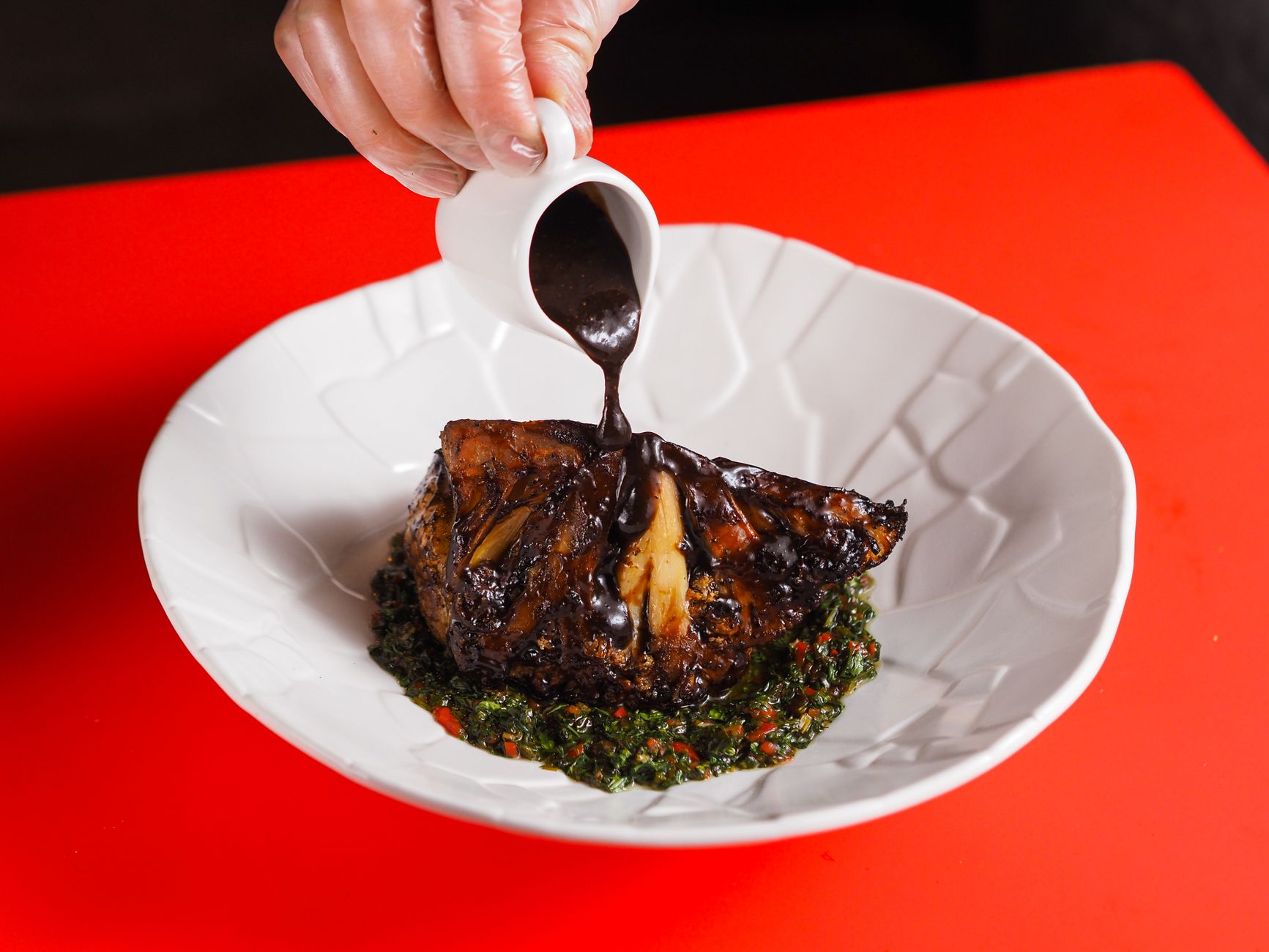
Meatloaf is a comforting dish that has been a staple in many households. Its rich flavors and satisfying texture make it a favorite for family dinners. However, knowing how long to cook a meatloaf is essential to achieving the desired doneness and moisture, ensuring that your meal is both delicious and safe.
In this article, we will explore the cooking times for meatloaf, the factors that affect these times, and how to check for doneness. Whether you are a novice cook or a seasoned chef, this guide will equip you with all the information you need to prepare a perfect meatloaf.
Meatloaf How Long to Cook?
The cooking time for meatloaf generally varies between 1 hour to 1 hour and 30 minutes at an oven temperature of 350°F (175°C). The key factors influencing cooking time include the size and shape of the meatloaf, the oven’s efficiency, and whether you are using a loaf pan or free-form shape.
Factors Affecting Cooking Time
Understanding the factors that influence cooking time is crucial for achieving the best results:
- Size and Shape: Larger meatloaves will take longer to cook than smaller ones. A standard loaf pan typically yields a rectangular shape, while a free-form loaf may cook faster due to better heat exposure.
- Ingredients: The moisture content, fat-to-lean ratio, and added ingredients like vegetables can significantly affect cooking time. More moisture may require longer cooking.
- Oven Temperature: Consistency in oven temperature is key. An oven thermometer can help ensure that your oven is at the correct temperature.
Cooking Times by Weight
Here’s a quick reference for cooking times based on the weight of the meatloaf:
| Meatloaf Weight | Cooking Time |
|---|---|
| 1 pound | 45 minutes to 1 hour |
| 2 pounds | 1 hour to 1 hour 15 minutes |
| 3 pounds | 1 hour 15 minutes to 1 hour 30 minutes |
How to Check for Doneness
To ensure your meatloaf is cooked properly, it’s essential to check for doneness using a thermometer:
- Internal Temperature: The safest way to check is with an instant-read meat thermometer. The internal temperature should reach 160°F (70°C) for ground beef, pork, turkey, or veal.
- Visual Cues: The surface of the meatloaf should be browned, and there should be no raw meat visible when cut. Juices should run clear when properly done.
Recommended Cooking Methods
There are several methods to cook meatloaf. Each has its pros and cons:
Baking
This is the most common method and involves placing your shaped meatloaf in a preheated oven. Here are steps:
- Preheat your oven to 350°F (175°C).
- Prepare your meatloaf mix and shape it into a loaf.
- Place it in a greased loaf pan or on a baking sheet lined with parchment paper.
- Bake for the recommended time, checking the temperature for doneness.
Slow Cooking
This method is perfect if you want to set it and forget it. This can yield a more tender meatloaf. Here’s how:
- Shape the meatloaf and place it in the slow cooker (no need for a loaf pan).
- Cover and cook on low for 6 to 8 hours or high for 3 to 4 hours.
Grilling
Grilling adds a smoky flavor to the meatloaf. To grill:
- Shape the meatloaf and wrap it in foil.
- Preheat the grill to medium heat.
- Grill the foil-wrapped meatloaf for 1 to 1.5 hours, flipping halfway through.
Common Mistakes to Avoid
Here are some pitfalls and how to avoid them:
- Underestimating Cooking Time: Always rely on a thermometer rather than just timing. Cooking too quickly can leave the center raw.
- Overmixing Ingredients: Mixing the meatloaf too much can lead to a tough texture. Mix just until combined.
- Neglecting to Add Moisture: If your meat is too lean, the meatloaf may dry out. Consider adding ingredients like diced onions, bell peppers, or breadcrumbs soaked in milk.
Thickening and Topping Ideas
The texture and flavor of your meatloaf can be enhanced with various toppings and inclusions:
- Glaze: A glaze of ketchup, BBQ sauce, or a mixture of both can add a delicious and distinctive flavor. Brush on during the last 15 minutes of cooking.
- Fillers: Use breadcrumbs, oats, or rice to add texture and absorb moisture.
- Vegetable Add-Ins: Chopped onions, bell peppers, or grated carrots can provide moisture and flavor to your meatloaf.
Storage and Reheating
To enjoy your leftovers safely, follow these storage tips:
- Refrigeration: Store leftover meatloaf in an airtight container for up to 3 days.
- Freezing: Meatloaf can be frozen in slices or whole, wrapped tightly. It can last up to 3 months in the freezer.
- Reheating: Reheat in the oven at 350°F (175°C) until warmed through, or microwave in slices for a quick option.
Conclusion
Cooking meatloaf can be a delightful experience, blending flavors and aromas that fill your kitchen. Understanding how long to cook meatloaf and ensuring it is properly cooked will lead you to create a dish that is both satisfying and safe to eat. Remember to rely on a thermometer to confirm doneness rather than solely on time, and make adjustments based on your preferences for additional flavor and moisture.
If you’re curious about related topics, check out more on cooking times at how long to cook meatloaf at 375°F, or explore different flavor profiles with our meatloaf seasoning recipe.