
There’s something magical about stepping into a garden filled with the fresh scent of lemon balm. This delightful herb not only brightens up your garden but also offers fantastic health benefits. Making your own Lemon Balm Tincture is a simple way to harness its calming properties and enjoy a burst of citrus flavor anytime you like. This tincture is not just soothing but also versatile, making it a perfect addition to teas, cocktails, or even your skincare routine. Let’s explore how to create this delightful tincture at home!
Why You’ll Love This Recipe
This tincture is a fantastic way to preserve the vibrant essence of lemon balm. Here are a few reasons to make it:
- Easy to prepare with minimal ingredients.
- Perfect for soothing anxiety and promoting relaxation.
- Natural flavor enhancer for beverages and dishes.
- Long shelf life when stored properly.
My Experience Making This Recipe
When I first tried making lemon balm tincture, I was surprised at how simple it was. As I chopped the fresh leaves, the citrus aroma filled my kitchen, making the whole experience feel refreshing.
Once ready, I used it in my evening tea, and the calming effect was immediate. Friends who tried it loved the flavor, and I felt like a kitchen magician!
Recipe Overview
- Recipe Name: Lemon Balm Tincture
- Servings: Varies (depends on usage)
- Prep Time: 15 minutes
- Cook Time: 4-6 weeks (infusion time)
- Total Time: 4-6 weeks 15 minutes
- Course: Beverage/Health
- Cuisine: Herbal
- Calories per Serving: Negligible
Equipment You Will Need
- Glass jar with a lid
- Strainer or cheesecloth
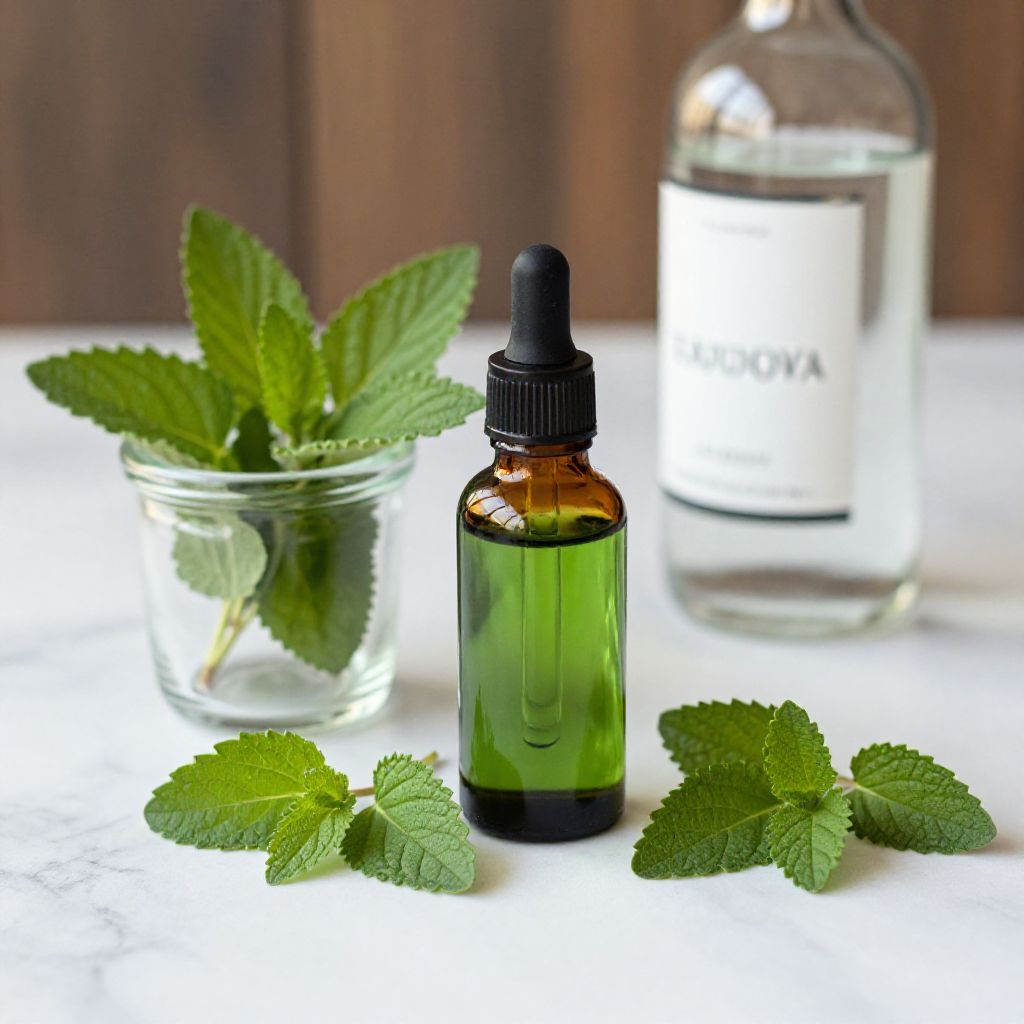
- Dark glass dropper bottles for storage
- Labeling supplies
Ingredients for Lemon Balm Tincture
- Fresh lemon balm leaves: 1 cup, chopped
- Alcohol (high proof, such as vodka): 2 cups
Ingredient Notes and Substitutions
- Fresh lemon balm leaves: These are key for flavor and benefits. If unavailable, dried leaves can work, but the flavor may be less potent.
- Alcohol: It extracts the beneficial compounds. You can use glycerin for a non-alcoholic version, but the tincture won’t be as concentrated.
How to Make Lemon Balm Tincture
Step 1: Prepare the Leaves
Harvest fresh lemon balm leaves and wash them thoroughly. This removes any dirt or bugs, ensuring a clean tincture.
Step 2: Chop the Leaves
Chop the lemon balm leaves into smaller pieces to help release their oils. Smaller pieces mean more flavor and benefits will be extracted.
Step 3: Fill the Jar
Place the chopped lemon balm in a glass jar. Ensure the jar is clean and dry to prevent any unwanted bacteria.
Step 4: Add the Alcohol
Pour the high-proof alcohol over the leaves until they are fully submerged. This will help extract the properties of the herb effectively.
Step 5: Seal the Jar
Seal the jar tightly with a lid. This keeps the mixture safe from contaminants and helps with the infusion process.
Step 6: Store in a Dark Place
Place the jar in a dark, cool area for 4-6 weeks. Shake the jar gently every few days to ensure proper infusion.
Step 7: Strain the Mixture
After 4-6 weeks, strain the mixture using a fine strainer or cheesecloth. This removes the solid leaves, leaving you with a potent tincture.
Step 8: Bottle and Label
Transfer the tincture into dark glass dropper bottles. Label them with the date and contents for easy identification.
Pro Tip: Use a high-proof alcohol for better extraction, as lower proof won’t draw out as many beneficial compounds.
Tips for the Best Lemon Balm Tincture
- Choose fresh, vibrant leaves for the best flavor and benefits.
- Shake the jar regularly to help release the oils from the leaves.
- Store in a dark place to protect the tincture from light.
- Use the tincture within 1-2 years for the best potency.
- Consider adding other herbs for unique flavor combinations.
Common Mistakes to Avoid
- Using wilted or old leaves can lead to a less effective tincture.
- Not shaking the jar regularly may result in uneven extraction.
- Using low-proof alcohol can dilute the tincture’s potency.
- Forgetting to label your tinctures can lead to confusion later.
Serving Suggestions
The lemon balm tincture can be enjoyed in various ways. Here are some suggestions:
- Add a few drops to your tea for a calming effect.
- Mix it into cocktails for a refreshing twist.
- Use it in smoothies for a unique flavor boost.
- Incorporate into skincare products for a soothing touch.
Variations to Try
- Combine with peppermint for an extra refreshing kick.
- Add honey for a sweeter tincture.
- Infuse with additional herbs like chamomile for enhanced relaxation.
- Use different spirits, like rum, for a unique flavor profile.
Dietary Adaptations
- This recipe is already gluten-free, as it uses herbs and alcohol.
- It is vegan and vegetarian friendly since it contains no animal products.
- For those avoiding alcohol, glycerin can be used, though potency may vary.
Storage and Reheating
Refrigerator
The tincture should be stored in a cool, dark place like a cupboard or pantry.
- Ensure the lid is tightly sealed.
Freezer
Freezing is not recommended as it can alter the tincture’s properties.
- Store in a glass bottle to prevent breaking.
Reheating
No reheating is necessary for tinctures, as they are used as-is.
- Simply shake the bottle before using.
Nutrition Information
| Nutrient | Amount |
|---|---|
| Calories | Negligible |
| Total Fat | 0g |
| Saturated Fat | 0g |
| Carbohydrates | 0g |
| Fiber | 0g |
| Sugar | 0g |
| Protein | 0g |
| Sodium | 0mg |
| Cholesterol | 0mg |
This tincture is virtually calorie-free, making it a guilt-free addition to your wellness routine.
Frequently Asked Questions
Can I use dried lemon balm instead of fresh?
Yes, but the flavor and potency may be less pronounced with dried leaves.
How long can I store the tincture?
When stored properly, tinctures can last for 1-2 years without losing potency.
Can I make this tincture without alcohol?
Yes, you can use glycerin as a substitute, though it may yield a less concentrated tincture.
What if my tincture is too strong?
You can dilute it with more alcohol or add it to beverages to lessen the intensity.
Can I make this tincture in smaller batches?
Absolutely! Adjust the ingredient amounts based on your needs and available storage.
Final Thoughts
Creating your own Lemon Balm Tincture is a rewarding experience that brings a touch of nature into your home. The soothing benefits and delightful flavor make it a must-try for any herbal enthusiast.
So why not give it a shot? Explore more beauty and wellness topics, like this delicious elderberry syrup recipe or a refreshing chia pudding recipe with coconut milk. Happy tincture-making!
Lemon Balm Tincture
Ingredients
Equipment
Method
- Harvest fresh lemon balm leaves and wash thoroughly under cold running water to remove dirt and debris.
- Chop the clean lemon balm leaves into smaller pieces to help release their essential oils (about 5 minutes).
- Place the chopped leaves into a clean, dry glass jar, filling it about halfway.
- Pour 2 cups of high-proof vodka over the leaves until they are fully submerged.
- Seal the jar tightly with its lid to prevent contamination and evaporation.
- Store the jar in a dark, cool area and let the mixture infuse for 4 to 6 weeks, shaking gently every few days.
- After 4 to 6 weeks, strain the tincture through a fine strainer or cheesecloth into a clean bowl, discarding the solids.
- Transfer the strained liquid into dark glass dropper bottles and label them with the date and contents.