
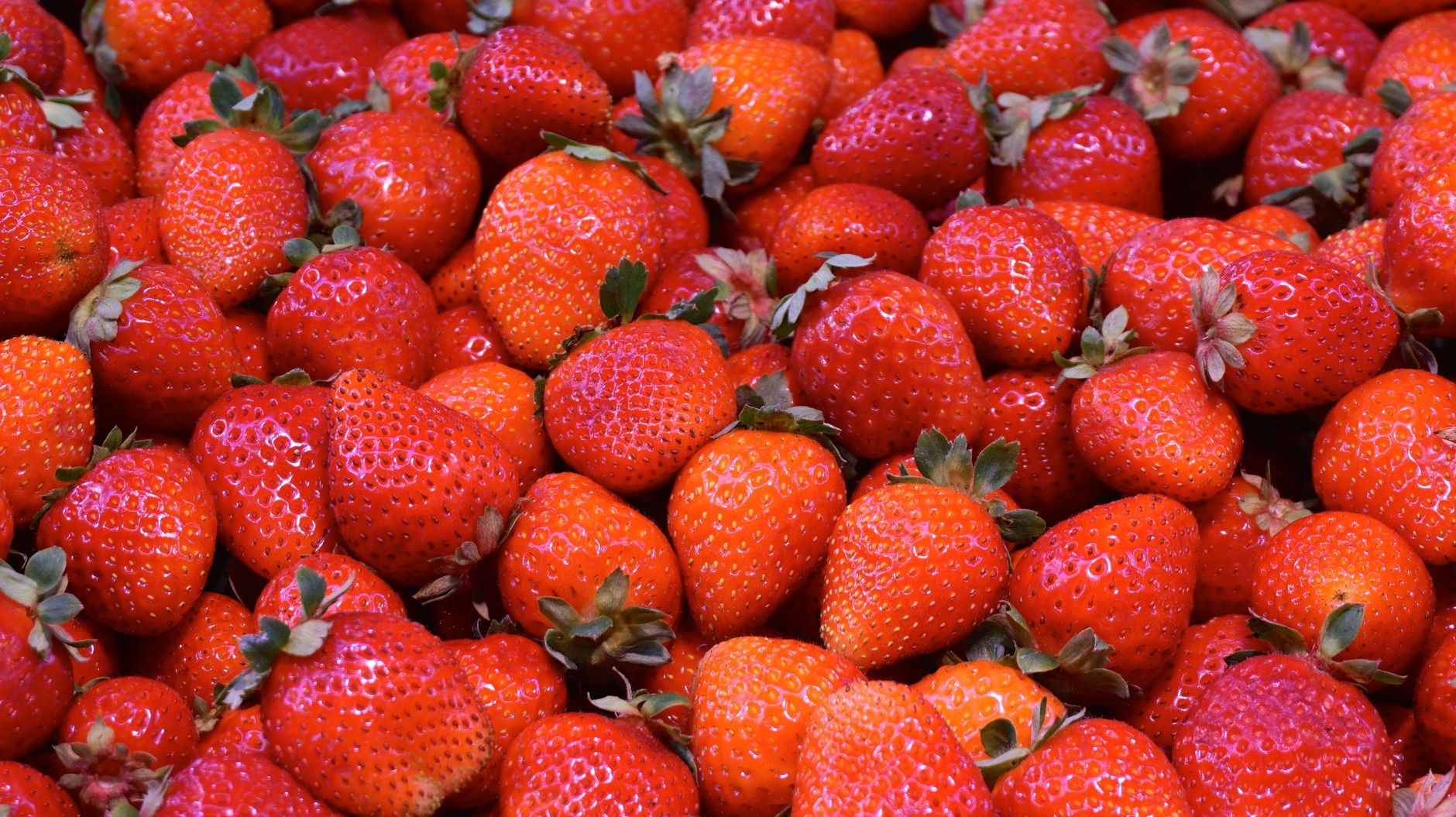
Strawberries are not only delicious but are also a versatile ingredient in a variety of recipes, from smoothies to desserts. Knowing how many strawberries are in a pound can greatly aid in meal planning or when following a specific recipe. This guide will present helpful information on measuring strawberries, including practical tips for selecting, storing, and using them.
With a clear understanding of weight conversions, you will be better equipped to handle strawberries in various culinary applications. Let’s dive in and explore how many strawberries typically make up a pound, along with some related guidance.
How Many Strawberries Are in a Pound?
On average, there are approximately 12 to 16 medium-sized strawberries in a pound. Factors that impact this number include the size of the strawberries and how they are prepared. Small strawberries may yield up to 20 in a pound, while larger varieties may yield fewer. Understanding these nuances can help in preparing your favorite recipes with precision.
Why Knowing the Count Matters
Accurate measurements are essential in cooking and baking, especially when it comes to balancing flavors and achieving desired textures. Knowing how many strawberries are in a pound allows you to:
- Follow recipes precisely.
- Plan meals that require specific amounts of this fruit.
- Coordinate ingredient ratios for preserving or cooking.
Measuring Strawberries: Size Matters
Measuring strawberries isn’t always a straightforward process, particularly because sizes can vary widely. Here are some guidelines on strawberry sizes:
- Small strawberries: These are typically about 1 inch in diameter. You can expect around 20 to 25 small strawberries per pound.
- Medium strawberries: Often around 1.5 inches in diameter, these usually number about 12 to 16 strawberries in a pound.
- Large strawberries: With diameters around 2 inches, large strawberries amount to roughly 8 to 12 per pound.
How to Choose the Best Strawberries
Choosing quality strawberries is essential for achieving the best flavor in your recipes. Here are some tips on selecting strawberries:
- Color: Look for vibrant red strawberries with no white or green patches. The color indicates ripeness and sweetness.
- Firmness: Gently squeeze the strawberry; it should be firm but not hard. Overly soft or mushy strawberries may be past their prime.
- Aroma: Fresh strawberries have a sweet, fragrant smell. If they lack aroma, they may not be fully ripe.
- Stem: Leave the green leafy tops (hulls) attached; this helps prolong shelf life.
Storing Strawberries Properly
To maintain freshness, storing strawberries correctly is crucial. Below are some effective storage tips:
- Do not wash until ready to use: Moisture can promote mold growth. Keep them dry in the refrigerator.
- Use a paper towel: Line the container where you store strawberries with a paper towel to absorb extra moisture.
- Refrigerate: Store them in the refrigerator in a breathable container, ideally in a single layer to prevent bruising.
- Check regularly: Remove any damaged or moldy berries immediately to prevent them from affecting others.
Freezing Strawberries: A Step-By-Step Guide
Freezing strawberries extends their shelf life and allows you to enjoy them year-round. Here’s how to freeze strawberries efficiently:
- Wash: Rinse strawberries under cool water to remove dirt and pesticides.
- Remove the hulls: Cut off the green tops using a knife or stem remover.
- Slice if desired: You can slice the strawberries if you prefer smaller pieces for easier use later.
- Lay out on a baking sheet: Place the strawberries in a single layer on a baking sheet to freeze individually.
- Freeze: Leave in the freezer for about 2 to 4 hours until frozen solid.
- Transfer to containers: Once frozen, transfer the strawberries to airtight containers or freezer bags, removing as much air as possible.
Culinary Uses for Strawberries
Strawberries can be incorporated into a wide variety of dishes. Here are some popular uses:
- Desserts: Strawberries are a favorite in pies, shortcakes, and ice creams.
- Breakfast: Incorporate them into smoothies, oatmeal, or as a topping for pancakes.
- Salads: Add sliced strawberries to green salads for a burst of sweetness and color.
- Drinks: Use in cocktails or smoothies to enhance flavor.
Strawberry Recipes to Try
Now that you’re equipped with knowledge about strawberries, why not try incorporating them into your cooking? Here are two enticing recipes to consider:
Strawberry Delight
- Ingredients:
- 2 cups of sliced strawberries
- 1 cup of whipped cream
- 1/2 cup of sugar
- 1 teaspoon of vanilla extract
- 1 cup of graham cracker crumbs
- 1/2 cup of melted butter
- Preheat your oven to 350°F (175°C).
- Mix graham cracker crumbs and melted butter to form the crust and press into a pie dish.
- Bake for about 10 minutes until lightly golden.
- In a mixing bowl, combine strawberries, whipped cream, sugar, and vanilla, mixing until well incorporated.
- Spread the strawberry mixture over the cooled crust and chill before serving.
Strawberry Compote
- Ingredients:
- 2 cups of fresh strawberries, hulled and quartered
- 1/4 cup of sugar
- 1 tablespoon of lemon juice
- In a saucepan over medium heat, combine strawberries, sugar, and lemon juice.
- Cook until the strawberries release their juices, about 5-7 minutes.
- Simmer until slightly thickened, then remove from heat and let cool.
Common Mistakes When Using Strawberries
Even seasoned cooks can make errors when working with strawberries. Here are some common pitfalls and how to avoid them:
- Washing before storage: As mentioned earlier, do not wash strawberries until you are ready to eat or cook with them to prevent spoilage.
- Not removing damaged berries: Make it a habit to check for spoiled berries and remove them promptly to uphold the quality of others.
- Overcooking: When making sauces or jams, avoid overcooking strawberries as they can become mushy and lose their natural sweetness.
Conclusion
Understanding how many strawberries are in a pound, along with the tips outlined in this guide, will help enhance your culinary endeavors. Whether you are preparing delightful desserts or brightening up a savory dish, strawberries offer a fresh, sweet flavor that appeals to many palates. Next time you’re in the produce aisle or planning your recipe, consider the weight and number of strawberries to make your cooking experience seamless.
Explore related recipes or cooking tips to expand your culinary expertise, such as our Strawberry Delight Recipe or learn how to make a delicious Strawberry Compote for a sweet treat.