
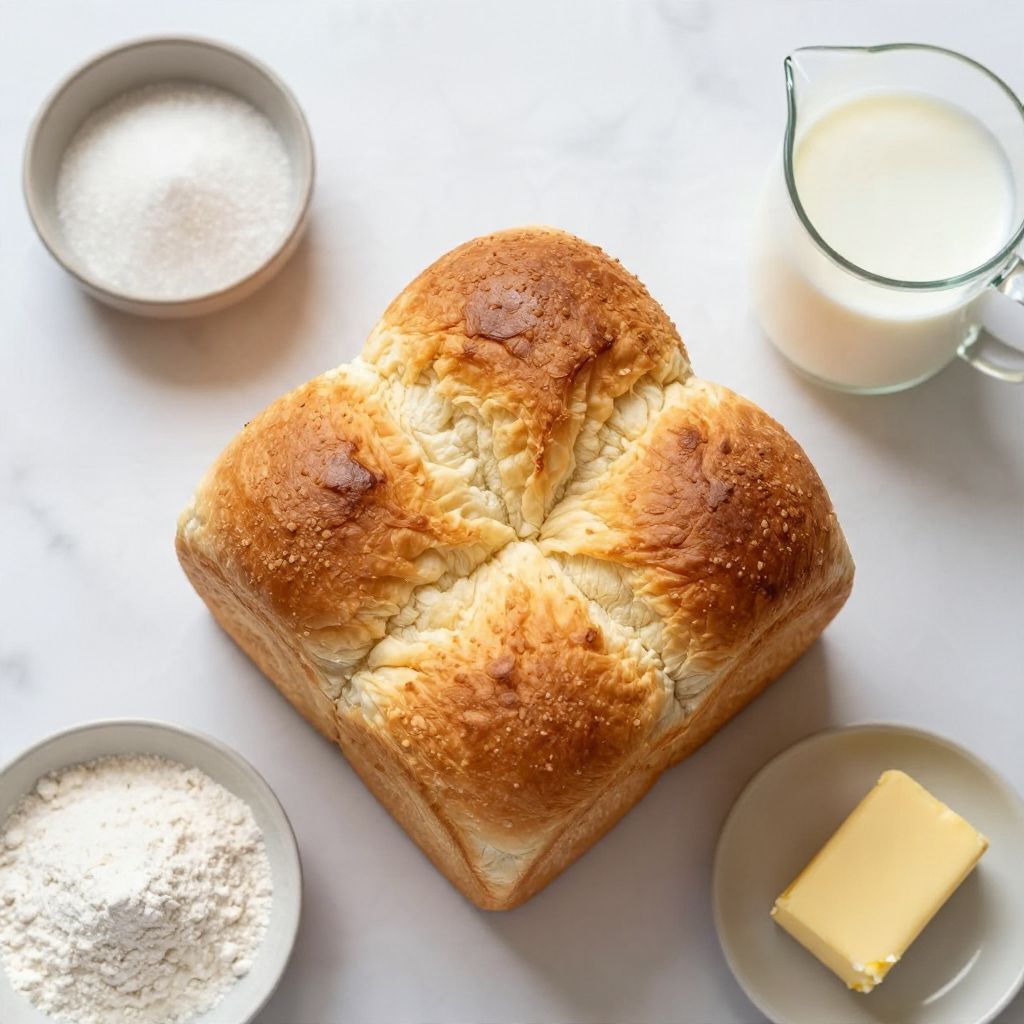
There’s something undeniably comforting about the smell of freshly baked bread wafting through your home. The Japanese Soft Bread is a delightful treat that offers a perfect balance of fluffiness and subtle sweetness, making it an exceptional choice for breakfast or tea time.
This recipe is special because it creates bread that is incredibly soft and slightly chewy, thanks to the tangzhong technique, which involves cooking a portion of the flour and water into a thick roux. You’ll be amazed at how versatile this bread can be, whether enjoyed plain, toasted, or as the base for a delicious sandwich!
Why You’ll Love This Recipe
This Japanese Soft Bread is a must-try for any home baker.
- Incredibly soft and fluffy texture.
- Perfect for sandwiches or toasting.
- Easy to make with simple ingredients.
- Great for meal prep and freezing.
- Family-friendly and versatile.
My Experience Making This Recipe
When I first tried making this bread, I was absolutely mesmerized by the transformation during baking. The dough, which seemed so ordinary at first, turned into a golden-brown loaf that looked bakery-worthy.
As I sliced into it, the soft, pillowy texture made me feel like I was indulging in a special treat. My family couldn’t resist asking for another slice, and I knew then that this recipe was a keeper!
Recipe Overview
- Recipe Name: Japanese Soft Bread
- Servings: 1 loaf
- Prep Time: 30 minutes
- Cook Time: 30 minutes
- Total Time: 1 hour
- Course: Bread
- Cuisine: Japanese
- Calories per Serving: 150
Equipment You Will Need
- Mixing bowl
- Whisk
- Measuring cups and spoons
- Loaf pan
- Oven
- Parchment paper (optional)
- Plastic wrap or a clean kitchen towel
Ingredients for Japanese Soft Bread
- 3 cups bread flour
- 1/4 cup granulated sugar
- 1 teaspoon salt
- 2 teaspoons instant yeast
- 1 cup whole milk, warmed
- 1/4 cup unsalted butter, softened
- 1/2 cup water
- 1/4 cup bread flour (for tangzhong)
Ingredient Notes and Substitutions
- Bread flour: This flour has a higher protein content for a chewier texture. You can substitute with all-purpose flour, but the result will be less chewy.
- Granulated sugar: Adds sweetness and helps with browning. Honey can be used as a substitute, but adjust the liquid accordingly.
- Instant yeast: This allows for faster rise times. Active dry yeast can be used, but you’ll need to activate it first in warm water.
- Whole milk: Provides richness and moisture. Almond milk works well for a dairy-free option.
- Unsalted butter: Enhances flavor and tenderness. Coconut oil can be a great dairy-free alternative.
How to Make Japanese Soft Bread
Step 1: Prepare the Tangzhong
In a small saucepan, combine 1/4 cup bread flour and 1/2 cup water. Cook over medium heat, stirring constantly, until it thickens into a paste, about 2-3 minutes.
Step 2: Mix the Dry Ingredients
In a large mixing bowl, whisk together 3 cups bread flour, 1/4 cup sugar, 1 teaspoon salt, and 2 teaspoons instant yeast. This ensures even distribution of the ingredients.
Step 3: Combine Wet Ingredients
In a separate bowl, mix the warm 1 cup whole milk and the prepared tangzhong. Make sure the tangzhong is cooled to prevent yeast from dying.
Step 4: Form the Dough
Pour the wet mixture into the dry ingredients and add 1/4 cup softened butter. Stir until a shaggy dough forms, and then knead on a floured surface for about 10 minutes until smooth.
Step 5: First Rise
Place the dough in a lightly greased bowl, cover with plastic wrap or a kitchen towel, and let it rise in a warm place for about 1 hour, or until doubled in size. This step is crucial for a soft texture.
Step 6: Shape the Dough
After the first rise, punch the dough down gently to release air. Shape it into a log and place it into a greased loaf pan.
Step 7: Second Rise
Cover the pan with a kitchen towel and let it rise again for about 30-40 minutes, or until it has risen just above the edges of the pan. Patience is key here.
Step 8: Bake the Bread
Preheat the oven to 350°F (175°C). Bake the bread for 25-30 minutes, until golden brown on top. The internal temperature should reach around 190°F (88°C) for doneness.
Pro Tip: For an extra soft crust, brush melted butter on top immediately after baking!
Tips for the Best Japanese Soft Bread
- Use a kitchen scale for precise measurements, especially for flour.
- Ensure your yeast is fresh for the best rise.
- Let your bread cool completely before slicing to maintain its texture.
- Experiment with add-ins like sesame seeds or raisins for a unique twist.
- Store the bread in an airtight container to keep it soft longer.
Common Mistakes to Avoid
- Not measuring flour correctly can lead to dense bread.
- Skipping the second rise will result in a denser loaf.
- Using cold ingredients can hinder yeast activation.
- Baking at too high a temperature can cause uneven cooking.
Serving Suggestions
This bread is perfect on its own, but it shines with a few accompaniments.
- Spread with butter and jam for a classic breakfast.
- Use it for a light sandwich with fresh vegetables.
- Pair with a warm bowl of miso soup.
- Toast slices and top with avocado for a modern twist.
Variations to Try
- Add matcha powder to the dough for a unique flavor and color.
- Incorporate sweet red bean paste for a delightful surprise.
- Mix in chocolate chips for a sweet treat.
- Use whole wheat flour for a healthier alternative.
Dietary Adaptations
- Gluten-free: Use a gluten-free flour blend, but results may vary.
- Dairy-free: Substitute with almond or soy milk and replace butter with coconut oil.
- Vegan: As above, and replace sugar with maple syrup.
- Low-carb/keto: Use almond flour and adjust the recipe significantly.
Storage and Reheating
Refrigerator
Store the bread in an airtight container for up to 5 days.
- Wrap slices individually for easy access.
Freezer
This bread freezes beautifully. You can store it for up to 3 months.
- Wrap in plastic wrap, then in aluminum foil.
Reheating
To enjoy your bread warm, reheat in the oven or toaster.
- Cover loosely with aluminum foil to prevent drying out.
Nutrition Information
| Nutrient | Amount |
|---|---|
| Calories | 150 |
| Total Fat | 4g |
| Saturated Fat | 2.5g |
| Carbohydrates | 26g |
| Fiber | 1g |
| Sugar | 5g |
| Protein | 4g |
| Sodium | 150mg |
| Cholesterol | 10mg |
Nutrition values are approximate and can vary based on specific ingredients used.
Frequently Asked Questions
Can I use all-purpose flour instead of bread flour?
Yes, but the bread may not be as chewy or fluffy.
How can I make this bread ahead of time?
You can prepare the dough and let it rise overnight in the fridge.
How should I store the bread after baking?
Keep it in an airtight container at room temperature for up to 5 days.
Why is my bread dense?
This often happens due to too much flour or not enough rising time.
Can I add herbs or cheese to this bread?
Absolutely! Just fold them in gently before shaping the dough.
Final Thoughts
Making your own Japanese Soft Bread can be a rewarding culinary experience that fills your home with warmth and delicious aromas. I hope you give this recipe a try and enjoy every fluffy bite!
For more delightful recipes, check out my Honey Sesame Chicken Recipe and try my Easy Doughnut Recipe Without Yeast for more delicious options!