
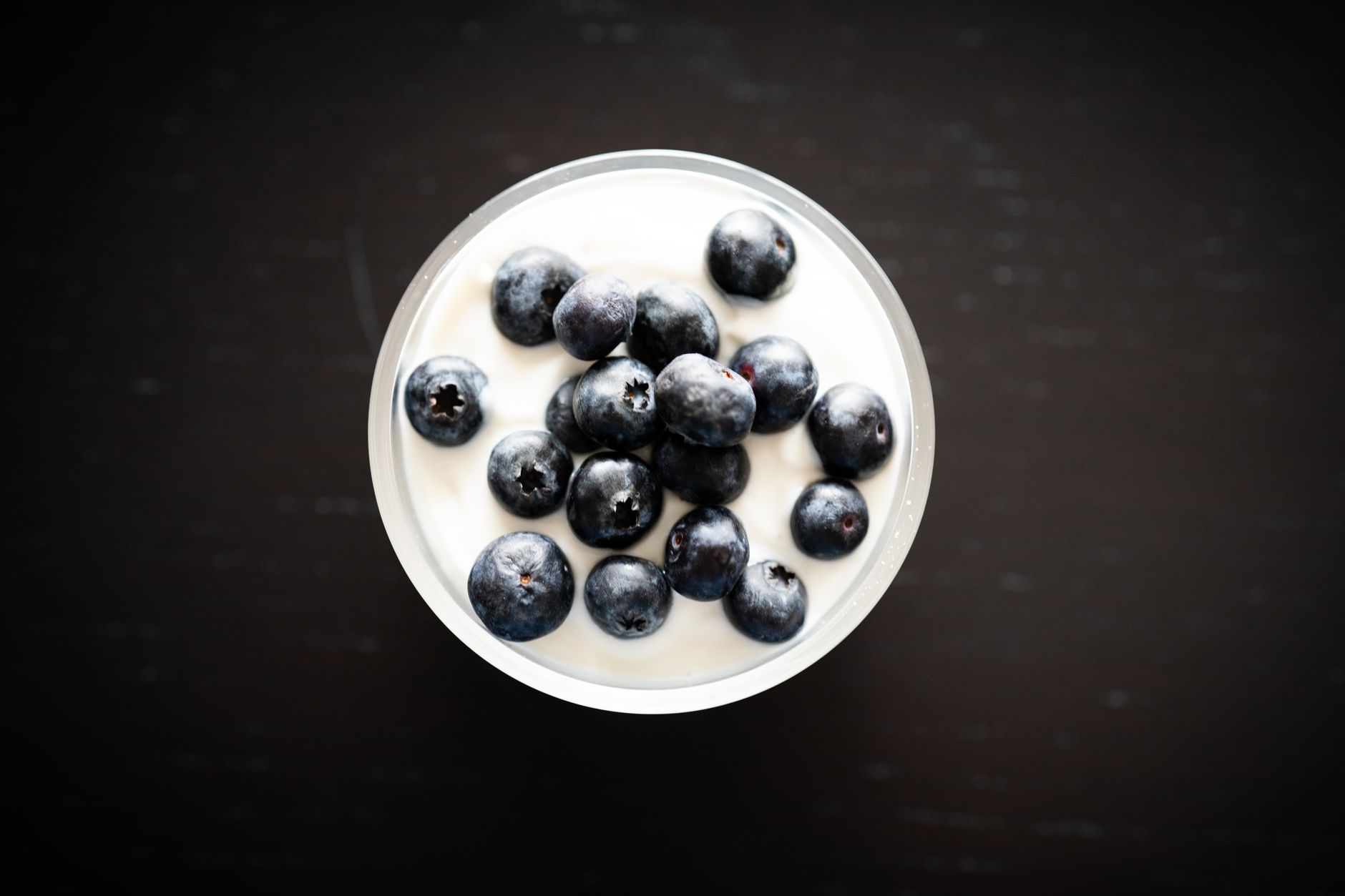
Yogurt has long been celebrated for its creamy texture and tangy flavor, but it also garners attention for its potential health benefits, particularly as a probiotic food. The question arises: is yogurt a good probiotic?
In this article, we will explore what probiotics are, the specific types of probiotics found in yogurt, their potential health benefits, and how to incorporate yogurt into your diet effectively. By the end, you will have a comprehensive understanding of yogurt as a probiotic source and practical ways to use it in your daily meals.
Is Yogurt a Good Probiotic?
Yes, yogurt is considered a good probiotic because it contains live and active bacterial cultures. These probiotics can benefit gut health, enhance digestion, and support the immune system. Various types of yogurt provide different strains of bacteria, making it a versatile addition to a health-conscious diet.
The Science Behind Probiotics
Probiotics are live microorganisms that can confer health benefits when consumed in adequate amounts. They primarily contribute to gut health, helping to balance the gut microbiome. A healthy gut microbiome is crucial for digestion, nutrient absorption, and immunity.
Types of Probiotics
Probiotics come in various strains, each with unique properties. The most common types of probiotics in yogurt include:
- Lactobacillus bulgaricus: Known for its ability to break down lactose, making it easier for lactose-intolerant individuals to digest dairy.
- Streptococcus thermophilus: Works in tandem with Lactobacillus to ferment lactose and produce lactic acid, enhancing yogurt’s flavor and texture.
- Lactobacillus acidophilus: This strain is well-researched for its potential to improve gut health and support immune function.
- Bifidobacterium bifidum: Often found in yogurt, this strain may aid digestive health and improve gut flora.
Health Benefits of Yogurt as a Probiotic
The consumption of yogurt provides numerous potential health benefits, primarily through its probiotic content. Here are some of the most notable:
Supports Digestive Health
Yogurt can help maintain a balanced gut by introducing beneficial bacteria. This is especially helpful for those suffering from digestive issues such as irritable bowel syndrome (IBS) or diarrhea. Regular consumption of yogurt may lead to improved digestion and reduced symptoms related to these conditions.
Enhances Immune Function
Regular intake of probiotics from yogurt can enhance the immune system’s response. Probiotics may help reduce the severity and duration of infections and illnesses, supporting overall health.
Potential Lactose Digestion Aid
For individuals with lactose intolerance, yogurt can serve as a gentle option since the fermentation process reduces lactose content. The probiotics present also help break down any remaining lactose, making it easier to digest.
May Improve Mental Health
Emerging research suggests a connection between gut health and mental well-being. Probiotics, including those in yogurt, may have a positive effect on mood and stress levels through the gut-brain axis.
Choosing the Right Yogurt
Not all yogurts are created equal. When selecting yogurt for its probiotic benefits, consider the following:
Look for Live Cultures
Always check the label for “live and active cultures.” This indicates that the yogurt contains beneficial probiotics that can confer health benefits.
Plain vs. Flavored
Opt for plain yogurt whenever possible. Flavored varieties often contain added sugars and artificial ingredients that may negate some health benefits. If you desire sweetness, consider adding natural fruit or honey.
Fat Content
You can choose between full-fat, low-fat, or non-fat yogurt based on your dietary preferences. Full-fat yogurt often has a creamier texture and can be more satisfying, while low-fat options may work better for those watching calorie intake.
How to Incorporate Yogurt into Your Diet
Incorporating yogurt into your meals is simple and versatile. Here are several ways to add yogurt to your diet:
Breakfast Ideas
- Parfaits: Layer yogurt with fresh fruits and granola for a nutritious breakfast or snack.
- Smoothies: Blend yogurt with fruits, spinach, and a splash of juice or milk for a refreshing smoothie.
- Overnight oats: Mix yogurt with oats, chia seeds, and fruits and let it sit overnight for an easy breakfast option.
Lunch and Dinner Uses
- Salad dressings: Use yogurt as a base for creamy dressings, combining it with herbs and spices.
- Soups: Stir yogurt into soups like cucumber yogurt soup (tzatziki) for a creamy texture and tangy flavor.
- Marinades: Create marinades for meats using yogurt; the acidity can tenderize the meat and add flavor.
Desserts
- Yogurt desserts: Mix yogurt with cocoa powder and honey for a simple chocolate mousse.
- Frozen yogurt: Blend yogurt with your favorite fruits and freeze it for a healthy dessert.
Snacks
- Dip: Use yogurt as a base for savory dips, adding herbs, garlic, and spices to enhance the flavor.
- Fruit dip: Combine yogurt with a touch of honey or cinnamon to create a sweet dip for fresh fruit.
Common Mistakes to Avoid with Yogurt
While yogurt is a beneficial addition to your diet, there are some common mistakes to avoid:
Ignoring Labels
Check for added sugars and artificial ingredients. Some products marketed as yogurt may be loaded with unhealthy additives.
Overconsumption
While yogurt has health benefits, moderation is key. Consuming excessive amounts can lead to unnecessary calorie intake, especially from sugars found in flavored varieties.
Not Storing Properly
Yogurt should be stored in the refrigerator. Always check expiration dates, and if opened, consume it within a week for the best freshness and probiotic content.
Potential Risks and Considerations
Though yogurt is generally safe for most people, there are some considerations to keep in mind:
Dairy Sensitivity
Individuals with dairy allergies or lactose intolerance should consult with a healthcare provider before incorporating yogurt into their diet. Lactose-free options may be available.
Interactions with Medications
Probiotics can interact with certain medications, particularly immunosuppressants. If you are on medication, consult a healthcare professional regarding yogurt consumption.
Yogurt: Make It at Home
Making yogurt at home can be a rewarding and straightforward process. Here’s how you can create your own probiotic-rich yogurt:
Ingredients
- 4 cups milk (whole, low-fat, or skim)
- 2 tablespoons plain yogurt with live cultures
Essential Equipment
- Heavy-bottom saucepan
- Thermometer
- Whisk
- Glass containers with lids
- A yogurt maker or insulated container (like a thermos)
Method
- In a heavy-bottom saucepan, heat the milk over medium heat until it reaches 180°F (82°C). Stir occasionally to prevent scorching.
- Remove the saucepan from heat and let the milk cool to about 110°F (43°C).
- Whisk in the plain yogurt until fully dissolved.
- Transfer the mixture to glass containers.
- Maintain the temperature (about 110°F) for 6 to 12 hours. A yogurt maker or insulated container works well for this step.
- Once the yogurt thickens, transfer it to the fridge to cool before consumption.
Conclusion
Yogurt stands out as an excellent probiotic source, offering various health benefits while being versatile in culinary applications. By incorporating yogurt into your diet consciously and choosing high-quality options, you can enjoy its nutritious properties fully.
To maximize your nutritional knowledge, explore foods with probiotics or learn about soaking chia seeds. Find relevant links and expand your culinary repertoire to enhance your cooking experience.