
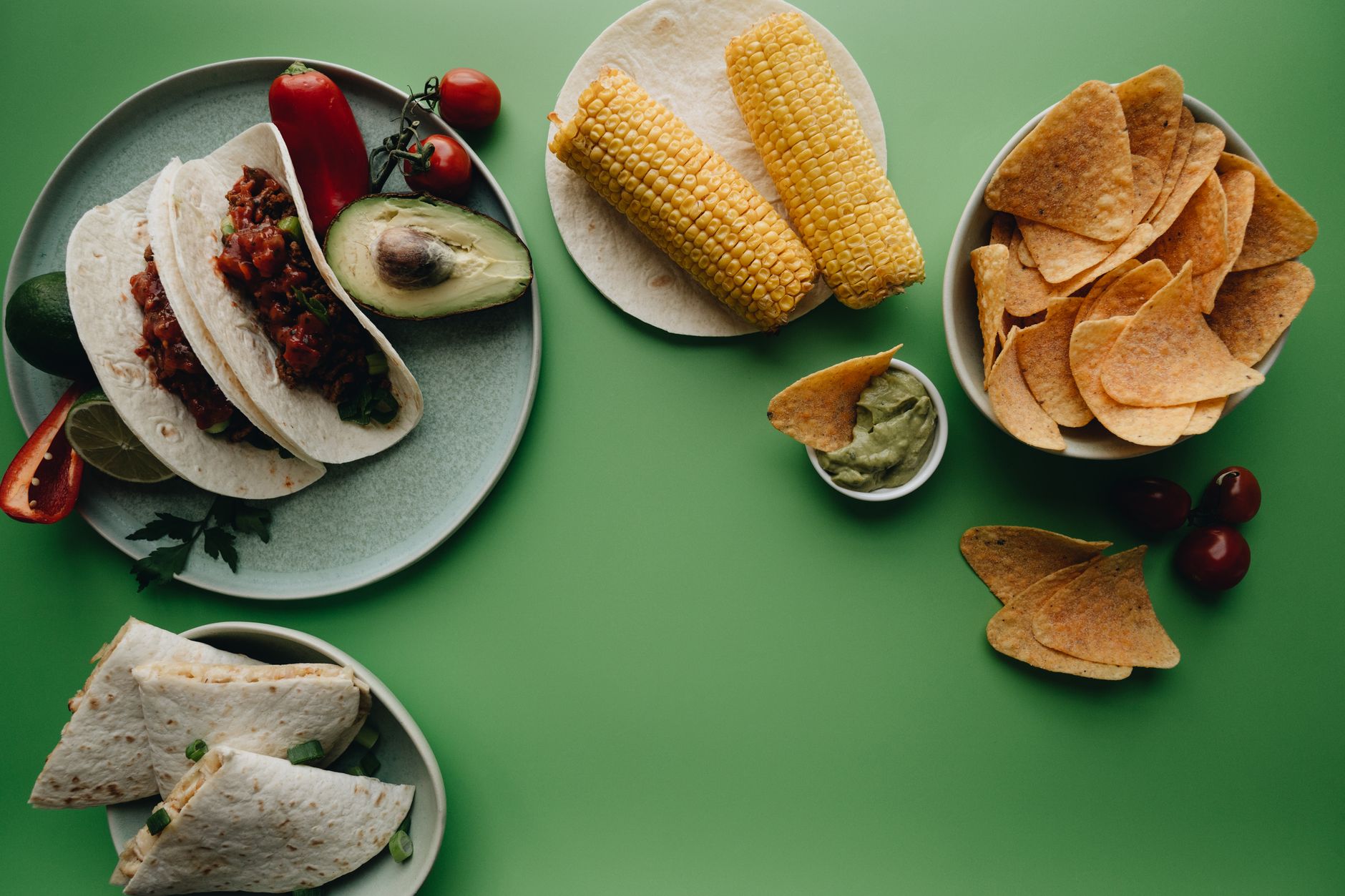
Yellow corn flour is a popular ingredient in many recipes, particularly in Southern and Mexican cuisines. It is often used to make cornbread, tortillas, and various baked goods. One of the most critical questions for individuals with gluten sensitivities or celiac disease is whether yellow corn flour is gluten-free. This article will explore this topic in detail, including how to identify gluten-free yellow corn flour, label reading tips, and practical uses for this versatile ingredient.
Understanding whether yellow corn flour is gluten-free is vital for those managing gluten-related disorders. In this article, we will cover what yellow corn flour is, its nutritional profile, how it compares to other types of flour, and answer some commonly asked questions related to its gluten content.
Is Yellow Corn Flour Gluten Free?
Yes, yellow corn flour is naturally gluten-free. It is made by grinding whole corn kernels into a fine powder, and corn itself does not contain gluten. However, cross-contamination during processing can occur, so it’s essential to look for labels indicating that the product is certified gluten-free if you have a gluten sensitivity or celiac disease.
What is Yellow Corn Flour?
Yellow corn flour is a fine powder made from whole corn kernels. It differs from cornmeal, which is more coarsely ground. Yellow corn flour has a bright yellow color, which comes from the carotenoids present in the corn. It has a mild, sweet flavor and is often used in baking and cooking.
Nutritional Profile of Yellow Corn Flour
Yellow corn flour provides essential nutrients, making it a valuable addition to a balanced diet. Here is a breakdown of its nutritional profile per 100 grams:
| Nutrient | Amount |
|---|---|
| Calories | 365 kcal |
| Carbohydrates | 73.0 g |
| Protein | 9.0 g |
| Fat | 4.2 g |
| Fiber | 7.3 g |
| Sugars | 0.9 g |
| Calcium | 0 mg |
| Iron | 0.5 mg |
In addition to the above, yellow corn flour is also a source of various vitamins and minerals, including B vitamins, magnesium, and antioxidants. These nutrients support energy production and overall health.
How Yellow Corn Flour Compares to Other Flours
When comparing yellow corn flour to other common flours, such as wheat flour or gluten-free alternatives like almond or oat flour, there are notable differences:
- Wheat Flour: Contains gluten, making it unsuitable for those with gluten sensitivities.
- Almond Flour: A low-carb, gluten-free option high in healthy fats but may require additional binding agents when substituting in recipes.
- Oat Flour: Gluten-free and adds a slightly nutty flavor but can cause cross-contamination unless certified gluten-free.
Yellow corn flour holds its own in terms of flavor and versatility, making it suitable for various dishes while being naturally gluten-free.
Choosing and Storing Yellow Corn Flour
When selecting yellow corn flour, consider the following tips:
- Read Labels: Look for products labeled gluten-free. A gluten-free certification ensures that the flour has been processed in a dedicated facility.
- Check Expiry Dates: Freshness matters in flour. Ensure you choose a product with a long shelf life.
- Choose Organic When Possible: Organic corn flour is often free from pesticides and chemicals, which is beneficial for health.
For storage, keep yellow corn flour in an airtight container in a cool, dry place. It can also be refrigerated or frozen to extend its shelf life. Just be sure to bring it back to room temperature before use.
Using Yellow Corn Flour in Cooking and Baking
Yellow corn flour can be utilized in various recipes, making it a versatile pantry staple. Here are some popular applications:
- Cornbread: Yellow corn flour is essential for traditional cornbread recipes, giving it a sweet flavor and moist texture.
- Tortillas: Use it to make homemade corn tortillas, a staple in Mexican cuisine.
- Breading and Coating: It can replace traditional wheat flour for breading fish or chicken, offering a unique flavor and crispiness.
- Thickening Agent: Yellow corn flour works as an excellent thickener for soups, stews, and sauces.
- Pancakes and Waffles: Incorporate yellow corn flour into your batter to add sweetness and texture to breakfast favorites.
Simple Recipes Using Yellow Corn Flour
To get started with yellow corn flour, here are a couple of simple recipes that showcase its versatility.
1. Cornbread
This classic cornbread is moist, slightly sweet, and perfect as a side dish.
- Ingredients:
- 1 cup yellow corn flour
- 1 cup cornmeal
- 1/2 cup sugar
- 1 tablespoon baking powder
- 1/2 teaspoon salt
- 1 cup milk
- 1/2 cup melted butter
- 2 large eggs
Preparation Time: 10 minutes
Cooking Time: 20-25 minutes
Total Time: 30-35 minutes
- Preheat the oven to 400°F (200°C) and grease a baking dish.
- In a bowl, mix the yellow corn flour, cornmeal, sugar, baking powder, and salt.
- In another bowl, whisk together the milk, melted butter, and eggs.
- Combine the wet and dry ingredients until just mixed, being careful not to overmix.
- Pour the batter into the prepared baking dish and bake for 20-25 minutes, or until a toothpick comes out clean.
2. Corn Tortillas
These homemade tortillas are easy to make and delicious in tacos or wraps.
- Ingredients:
- 2 cups yellow corn flour
- 1/2 teaspoon salt
- 1 1/2 cups warm water
Preparation Time: 15 minutes
Cooking Time: 10 minutes
Total Time: 25 minutes
- In a bowl, combine the yellow corn flour and salt.
- Add warm water gradually until a dough forms.
- Divide the dough into small balls and flatten each into a circle.
- Heat a skillet over medium heat and cook each tortilla for about 1 minute on each side until lightly browned.
Common Questions About Yellow Corn Flour
Can Yellow Corn Flour Replace All-Purpose Flour?
While yellow corn flour can be a substitute for all-purpose flour in certain recipes, adjustments may be necessary. It provides different textures and flavors, so experiments might be needed to achieve the desired results, particularly in recipes requiring gluten for structure.
Does Yellow Corn Flour Have Any Allergenic Ingredients?
As a non-wheat flour, yellow corn flour is generally considered safe for people with gluten allergies. However, always read labels to check for any additional ingredients or potential cross-contamination with allergens.
How Can I Ensure My Cooking is Safe for Gluten Intolerant Individuals?
To ensure safety for gluten-intolerant individuals, keep a separate set of cooking utensils and surfaces. Always choose certified gluten-free products and avoid cross-contamination with gluten-containing foods.
Conclusion
Yellow corn flour is a naturally gluten-free ingredient that offers versatility in the kitchen. Whether making cornbread, tortillas, or using it as a thickening agent, it is an excellent choice for creating delicious meals. Always choose certified gluten-free products if you have dietary restrictions and store your flour properly to maintain freshness.
Explore more tasty recipes and cooking tips related to corn, such as our Corn Pone Recipe and Fried Cornbread Recipe.