
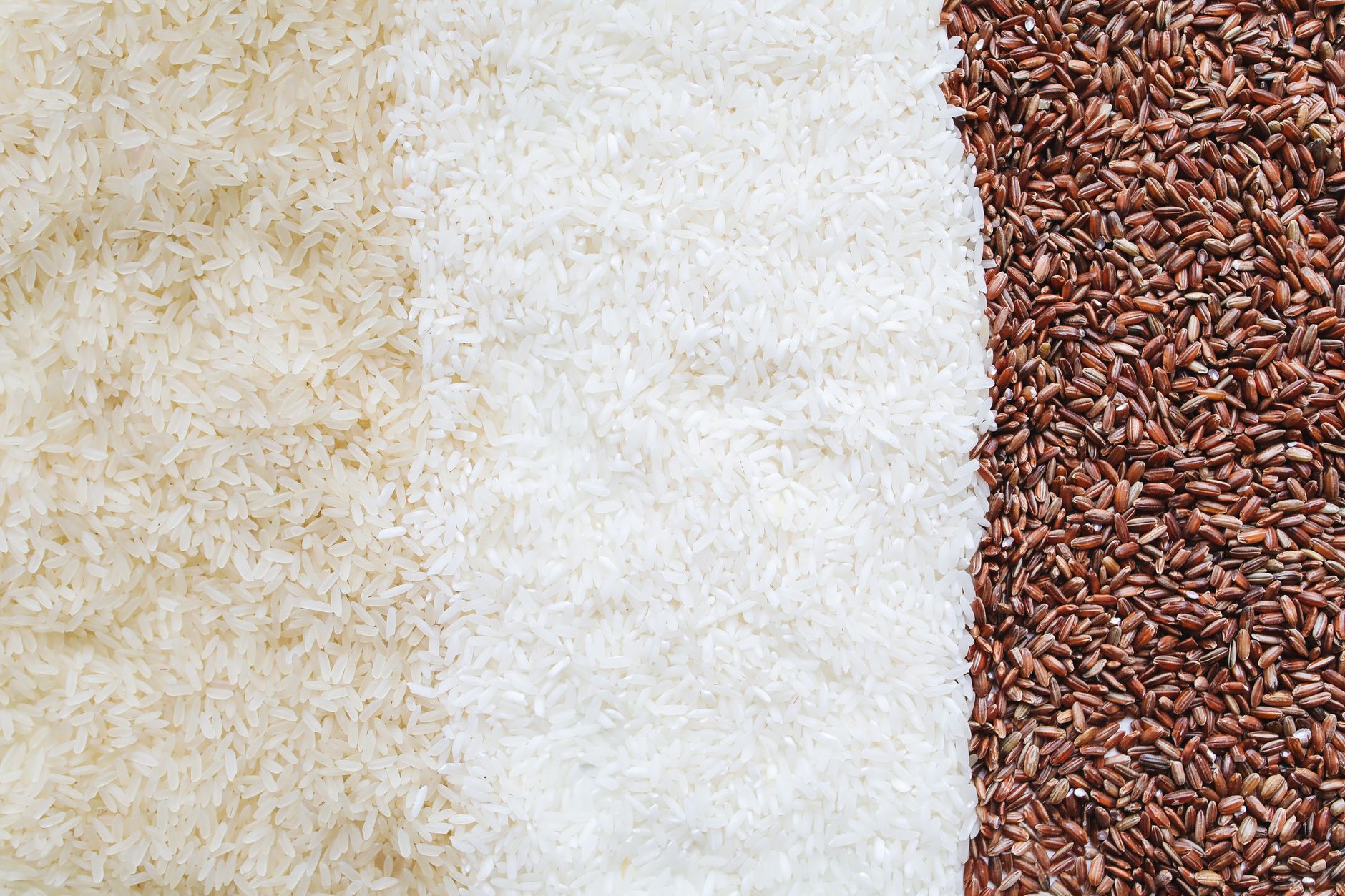
When it comes to rice, two varieties dominate the conversation: white rice and brown rice. Both types of rice are staples in diets around the world, but they differ significantly in terms of nutrition, preparation, and potential health benefits. This article will explore whether white rice or brown rice is better for your overall health, examining aspects such as nutritional content, cooking techniques, and dietary considerations.
Understanding the differences can help you make informed choices based on your personal health goals and taste preferences. Let’s break down the merits of each type and offer some guidance on how to incorporate them into your meals effectively.
Is White Rice Or Brown Rice Better For You?
Both white rice and brown rice have their advantages and disadvantages when it comes to health. Brown rice is generally considered the healthier option because it is less processed, retains most of its nutrients, and contains more fiber. White rice, while tasty and convenient, can lead to quicker spikes in blood sugar and offers fewer nutrients. Ultimately, the choice depends on your individual health goals and dietary needs.
Nutritional Breakdown of White Rice vs. Brown Rice
To better understand which rice might suit your dietary needs, let’s examine the nutritional profiles of both white and brown rice. Both kinds can serve as a source of carbohydrates, but they differ in fiber, vitamins, and minerals.
White Rice
- Calories: Approximately 130 calories per 100 grams (uncooked)
- Carbohydrates: About 28 grams
- Protein: Approximately 2.7 grams
- Fat: 0.3 grams
- Fiber: Less than 1 gram
- Vitamins and Minerals: Lower amounts of magnesium, selenium, and vitamins B1 and B3 compared to brown rice; often enriched with iron and folic acid in some regions.
Brown Rice
- Calories: Approximately 111 calories per 100 grams (uncooked)
- Carbohydrates: About 23 grams
- Protein: Approximately 2.6 grams
- Fat: 1 gram
- Fiber: Around 3.5 grams
- Vitamins and Minerals: Higher amounts of magnesium, phosphorus, and vitamins B1, B3, and B6.
The Processing Difference
The primary difference between white and brown rice lies in how they’re processed. Brown rice is a whole grain, as it contains the bran, germ, and endosperm. This means it is higher in fiber and essential nutrients. On the other hand, white rice has had the bran and germ removed, which strips away many beneficial components, improving its shelf life but reducing its nutritional value.
Health Benefits of Brown Rice
Several studies suggest that brown rice may have multiple health benefits, owing to its higher fiber content and nutrient density. Some of these benefits include:
- Weight Management: The high fiber content in brown rice aids in digestion and can help keep you feeling full longer, potentially aiding in weight management.
- Improved Heart Health: The fiber, whole grains, and various antioxidants found in brown rice contribute to heart health by reducing cholesterol levels and inflammation.
- Lower Blood Sugar Levels: Brown rice has a lower glycemic index compared to white rice, meaning it can help maintain stable blood sugar levels, making it a better option for those with diabetes.
- Nutrient Absorption: The vitamins and minerals in brown rice, such as magnesium and selenium, contribute to overall health and well-being.
Health Considerations for White Rice
While white rice can be part of a balanced diet, it is important to be mindful of its limitations:
- Lower Fiber Content: The lack of fiber in white rice can lead to less satiety and may not be as beneficial for digestive health.
- Higher Glycemic Index: White rice has a higher glycemic index, which can lead to spikes in blood sugar levels, potentially increasing the risk of developing type 2 diabetes over time.
- Nutrient Loss: The processing of white rice removes various vitamins and minerals, making it a less nutritious option overall.
How to Cook Brown Rice vs. White Rice
Cooking methods can vary significantly between white and brown rice due to their differing water absorption and cooking times. Understanding these techniques can enhance the texture and flavor of your meals.
Cooking Brown Rice
- Rinse the brown rice under cold water to remove excess starch.
- In a pot, combine 1 cup of rinsed brown rice with 2 1/2 cups of water or broth.
- Add a pinch of salt, then bring to a boil over medium heat.
- Once boiling, reduce heat to low, cover, and simmer for about 40-50 minutes, until the grains are tender and the water is absorbed.
- Remove from heat, let it sit for 10 minutes with the lid on, then fluff with a fork.
Cooking White Rice
- Rinse the white rice under cold water to remove excess starch.
- In a pot, combine 1 cup of rinsed white rice with 2 cups of water or broth.
- Add a pinch of salt, then bring to a boil over medium-high heat.
- Once boiling, reduce heat to low, cover, and simmer for about 18-20 minutes, until water is absorbed.
- Remove from heat, let it sit for 5 minutes with the lid on, then fluff with a fork.
Flavor and Culinary Uses
Flavor and texture also play substantial roles in the choice between white and brown rice. Brown rice has a nuttier flavor and chewier texture than white rice, which is softer and more fluffy. Here are some culinary uses for both types:
Using Brown Rice
- In salads: Brown rice adds a hearty texture to grain salads.
- In stir-fries: Its chewy texture complements vegetables and proteins beautifully.
- As a side dish: Season with herbs and spices for added flavor to accompany main dishes.
- In bowls: Use as a base for Buddha bowls with various toppings.
Using White Rice
- In pilafs: White rice absorbs flavors well, making it an excellent choice for pilafs.
- In sushi: The sticky texture of white rice makes it ideal for sushi rolls.
- In soups: White rice works well in soups, providing a comforting texture.
- As a porridge: Great for breakfast when cooked with milk and sweetened.
Common Mistakes When Cooking Rice
Cooking rice may seem simple, but common mistakes can lead to subpar results. Here are a few to watch out for:
- Not Rinsing: Failing to rinse rice can result in a gummy texture due to excess starch.
- Too Much or Too Little Water: Each rice type has specific water ratios. Following these is crucial for achieving the desired texture.
- Peeking: Lifting the lid while cooking can release steam and affect doneness.
- Skipping Rest Time: Allowing rice to sit covered after cooking helps distribute moisture evenly.
Storage and Shelf Life
Proper storage of rice can extend its shelf life and maintain its freshness.
Storing Brown Rice
- Store in a cool, dark place in an airtight container to help prevent rancidity.
- Brown rice generally lasts for about six months but can often last up to a year in the freezer.
Storing White Rice
- Store in an airtight container in a cool, dry place. White rice can last for years, particularly if kept in a sealed container.
- Check for any off odors or discoloration before use.
Dietary Considerations and Personal Preferences
Your choice between white or brown rice also depends on personal dietary considerations. For example:
- Dietary Fiber Needs: If increasing fiber intake is essential, brown rice is typically the better choice.
- Glycemic Concerns: Individuals managing blood sugar should consider brown rice for its lower glycemic index.
- Food Aversions or Preferences: Some may prefer the texture of white rice or dislike whole grains.
- Health Goals: Consider your overall diet and health objectives when choosing which type to include.
Conclusion: Making an Informed Choice
Ultimately, whether you choose white or brown rice depends on your health goals, personal preference, and cooking methods. Brown rice is generally healthier thanks to its nutrient density and fiber content. However, white rice can still fit into a balanced diet if consumed in moderation. By understanding the differences and cooking techniques, you can incorporate both types of rice into your meals successfully.
As you plan your meals, consider experimenting with both options to see what suits your taste and health needs best. For a nutritious brown rice dish, try our Instant Pot Brown Rice Recipe or discover flavors with our Puerto Rican Rice Recipe.