
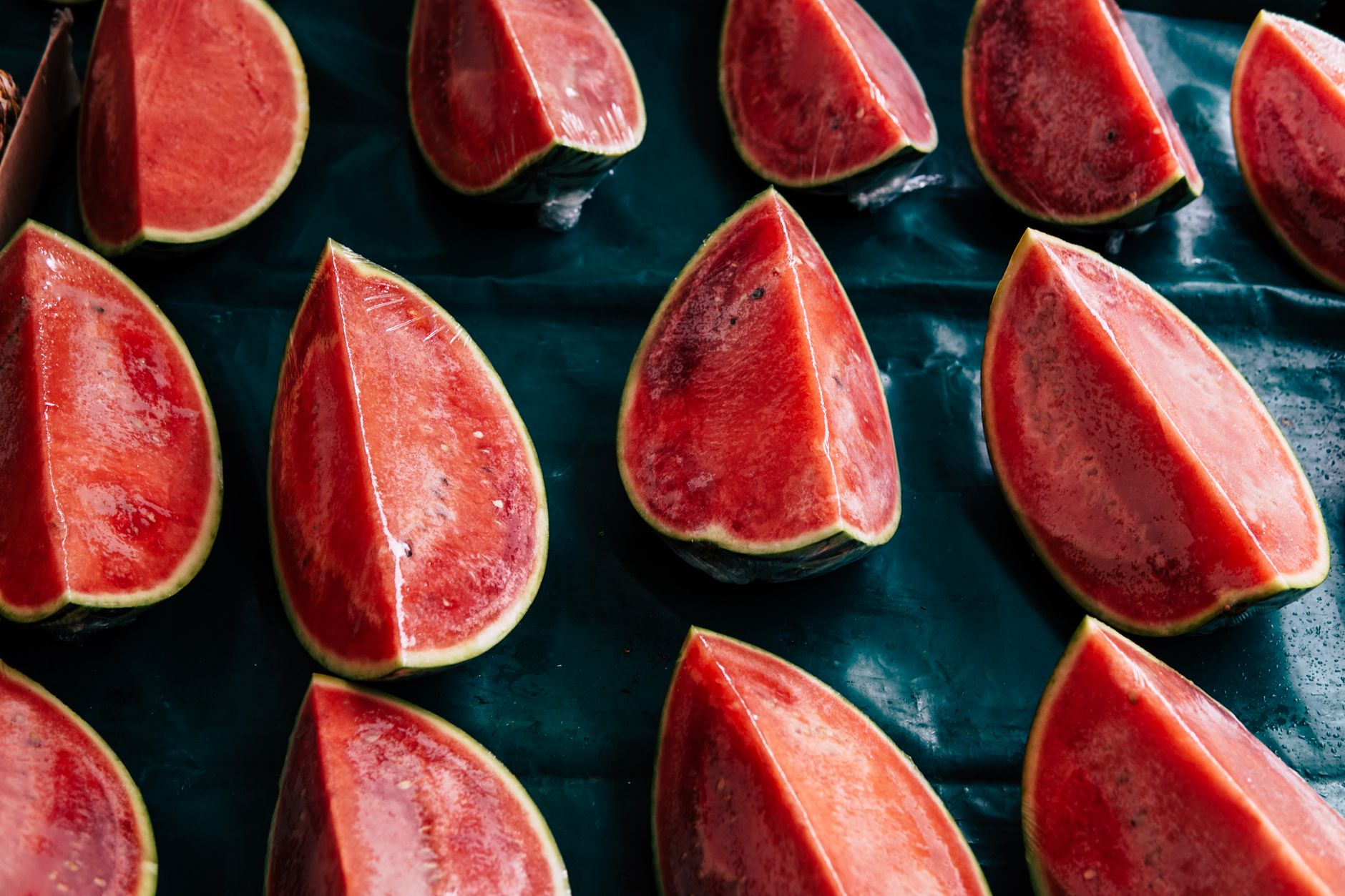
Watermelon is a beloved summer staple, known for its crisp texture and refreshing sweetness. However, it often leads to an age-old question: Is watermelon a melon? This article explores the classification of watermelon, its culinary uses, serving ideas, and tips for choosing and storing this popular fruit.
Understanding whether watermelon is considered a melon involves delving into its botanical classification and exploring its characteristics. This discussion will not only clarify its identity but will also highlight different ways to enjoy this juicy fruit.
Is Watermelon a Melon?
Yes, watermelon is indeed classified as a melon. Specifically, it belongs to the Cucurbitaceae family, which includes various gourds, cucumbers, and squashes. More specifically, watermelon falls under the Citrullus genus, with the most commonly cultivated species being Citrullus lanatus.
In terms of characteristics, watermelons are typically large fruits with a green rind and red or pink flesh, dotted with black seeds (although seedless varieties are widely available). Their high water content of about 90% makes them incredibly hydrating, which is one reason they are so refreshing on hot summer days.
Botanical Classification of Watermelon
The classification of watermelon provides insight into its relationship with other fruits. Watermelon is categorized under:
- Family: Cucurbitaceae
- Genus: Citrullus
- Species: Citrullus lanatus
This botanical classification shows that watermelons are closely related to other melons, such as cantaloupe and honeydew, as they all share common attributes and growing conditions.
Flavor and Texture of Watermelon
Watermelon is celebrated for its unique flavor, which ranges from subtly sweet to intensely sugary, depending on the ripeness. The texture is crisp and juicy, making it pleasant to eat fresh or in various dishes. When selecting a watermelon, look for one that feels heavy for its size, has a uniform shape, and exhibits a creamy yellow spot where it rested on the ground, indicating ripeness.
Culinary Uses of Watermelon
Watermelon is often synonymous with summer picnics and barbecues, but its culinary versatility goes far beyond just slinging it on a plate. Here are some creative ways to include watermelon in your meals:
Salads
Watermelon can serve as the star ingredient in salads, offering a refreshing contrast to savory components. Combine cubed watermelon with feta cheese, mint, and a splash of balsamic reduction for a delightful summer salad. The saltiness of the feta perfectly balances the sweetness of the watermelon.
Sorbet and Smoothies
Frozen watermelon makes an excellent smoothie base or ingredient for sorbets. Simply blend chunks of watermelon with a splash of lime juice and freeze for a refreshing dessert. For a smoothie, combine watermelon with yogurt and spinach for an energizing start to the day.
Salsas
Watermelon can add a unique twist to salsas. Dice it up with jalapeños, red onion, cilantro, and lime juice for a fruity salsa that pairs beautifully with grilled fish or chicken.
Drinks
Watermelon juice is a refreshing beverage on its own but can also be used as a mixer in cocktails. A simple watermelon margarita combines pureed watermelon with tequila, lime juice, and a touch of agave syrup, offering a delightful twist on a classic drink.
Desserts
Watermelon can be utilized in various desserts beyond sorbets. Consider grilling thick slices of watermelon to caramelize its sugars, then serving it with a scoop of vanilla ice cream. This unexpected warm dessert is sure to impress.
Serving Ideas for Watermelon
When serving watermelon, presentation can enhance the overall experience. Here are some serving ideas that elevate this summer favorite:
Watermelon Platter
Create a colorful fruit platter by pairing watermelon with other fruits like strawberries, blueberries, and pineapple. Use a hollowed-out watermelon rind to hold the fruit for an appealing centerpiece.
Watermelon Skewers
Cut watermelon into cubes and thread them onto skewers with other fruits or even cheese for a fun, interactive snack. These can be served at parties or barbecues, adding a fun touch to appetizers.
Watermelon and Cheese
Pairing watermelon with cheese makes for an elegant appetizer. Use creamy cheeses like goat cheese or burrata alongside watermelon slices drizzled with olive oil and sprinkled with sea salt for a gourmet touch.
Choosing and Storing Watermelon
Knowing how to choose and store watermelon can significantly impact the flavor and enjoyment of this fruit. Follow these guidelines for optimal selection and preservation:
Choosing Watermelon
When selecting a watermelon, consider the following:
- Look for a symmetrical shape; avoid any that are irregular.
- Choose watermelons that feel heavy for their size—this indicates they are full of water.
- Check for a creamy yellow spot on the rind; this indicates ripeness.
- A dull outer skin is preferable as shiny rinds can signify an under ripe watermelon.
Storing Watermelon
Once you’ve chosen the perfect watermelon, it’s essential to store it correctly:
- Keep whole watermelons at room temperature for short-term storage (up to one week).
- To store cut watermelon, wrap it tightly in plastic wrap or place it in an airtight container to keep it fresh for about 3 to 5 days in the refrigerator.
- Avoid storing cut watermelon in aluminum foil; it can react with the fruit’s acidity and alter the flavor.
Common Mistakes When Handling Watermelon
Handling watermelon might seem simple, but here are common mistakes to avoid:
Cutting Method
One common mistake is cutting watermelon haphazardly. Use a sharp knife and ensure you have a stable cutting surface to avoid slips and uneven pieces. Consider cutting the watermelon in half and then into wedges for easier serving.
Not Removing Seeds
If you’re using a seeded watermelon in recipes, some people skip the step of removing seeds, which can lead to an unpleasant texture. For dishes where you want smoothness, such as smoothies, opt for seedless varieties instead.
Practical Substitutions for Watermelon
While watermelon has a distinctive taste, certain fruits may serve as substitutes in recipes. Here are a few alternatives:
- Cantaloupe: This melon’s similar texture and sweetness can work well as a watermelon substitute in salads and smoothies.
- Pineapple: For a bolder flavor profile in salsas, pineapple can provide a refreshing twist.
- Honeydew: Similar to cantaloupe, honeydew is an excellent replacement in recipes needing a melon flavor.
Conclusion
Watermelon is a delicious and hydrating fruit that is well-entrenched in summer cooking and festivities. Its classification as a melon speaks to its connection with other similar fruits, allowing for a variety of culinary applications. Choosing the right watermelon and experimenting with creative recipes can enhance your enjoyment of this versatile fruit.
Explore related recipes, tips, and guides for using watermelon in your kitchen, including how to freeze watermelon for later use at this guide on freezing watermelon.