
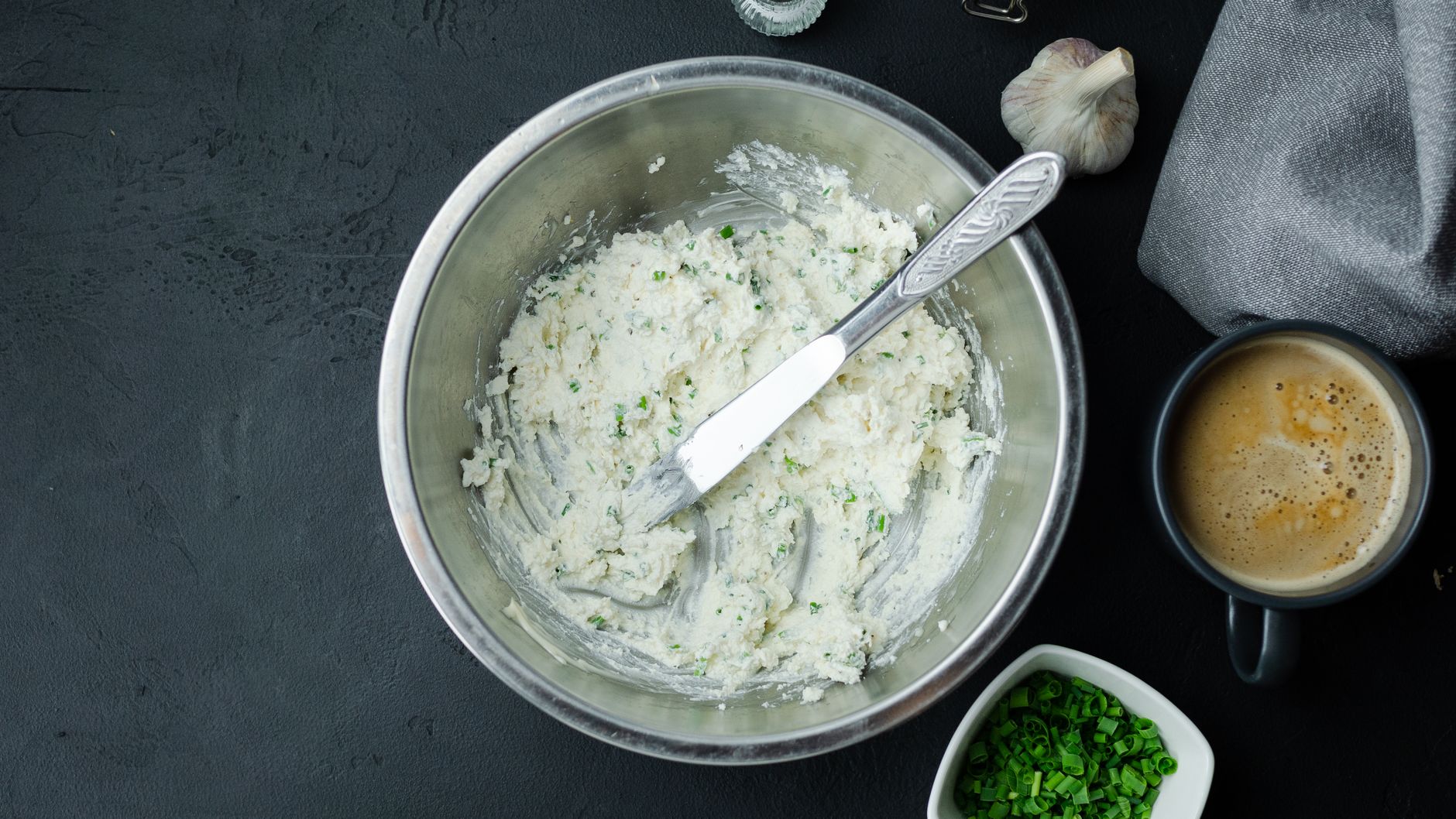
Cream cheese is a beloved ingredient in various recipes, from dips to desserts. If you find yourself with excess cream cheese or want to stock up, you might wonder: does cream cheese freeze well? The answer is yes, but there are important considerations and techniques to ensure the best results.
This article explores how to properly freeze and thaw cream cheese, its texture changes after freezing, recommended storage methods, and tips for using defrosted cream cheese effectively.
Does Cream Cheese Freeze Well?
Yes, cream cheese can be frozen, but it will lose some of its original texture and consistency. While it may become crumbly or grainy, it remains suitable for use in cooking and baking. Proper freezing and thawing methods can help maintain its flavor and usability.
Understanding Cream Cheese
Cream cheese is a soft, spreadable cheese made from cream and milk. Its smooth, creamy texture and mildly tangy flavor make it versatile for many recipes, from bagels to cheesecakes. However, cream cheese has a relatively high water content, which affects its ability to be frozen without textural changes.
Freezing Cream Cheese: Step by Step
1. Preparation
To freeze cream cheese effectively, start with good-quality, unopened packages or leftovers in an airtight container. If opened, ensure it has not been contaminated with other foods.
2. Portioning
If you plan to use cream cheese in smaller amounts later, consider portioning it out. This way, you can defrost only what you need, reducing waste and maintaining quality.
- Use an ice cube tray for small portions.
- Wrap larger amounts (e.g., an entire block) in plastic wrap.
3. Wrapping
Proper wrapping is crucial to prevent freezer burn. If using an unopened block, you can freeze it directly in its packaging by placing it in a freezer-safe bag. For opened cream cheese:
- Wrap it tightly in plastic wrap, ensuring no air pockets.
- Place it in a freezer-safe container or bag.
4. Labeling
Label the container or bag with the date of freezing. Cream cheese can typically be stored in the freezer for up to 2 months for the best quality.
Thawing Cream Cheese
1. Slow Thawing in the Refrigerator
The best way to thaw cream cheese is to move it from the freezer to the refrigerator and let it sit overnight. This method allows for a gradual thaw that helps minimize texture changes.
2. Quick Thawing
If you need cream cheese quickly, place it in a sealed plastic bag and submerge it in a bowl of cold water. Change the water periodically until thawed. Avoid using warm water, as it can create uneven thawing and promote bacterial growth.
3. Avoid Microwave Thawing
While tempting, microwaving cream cheese can lead to uneven heating and make it melt rather than maintain its intended texture. If you must use this method, do so in very short intervals and at low power settings.
Cooking with Thawed Cream Cheese
After thawing, cream cheese might have a slightly different consistency than fresh. It may appear a bit crumbly and less smooth, which is perfectly fine for various applications:
1. Dips and Spreads
Defrosted cream cheese can mix well into dips or spreads, especially when combined with other ingredients. Use it in:
- Cheese spreads
- Vegetable dips
- Herb-infused cream cheese
2. Baking
In baking recipes, thawed cream cheese can perform well, particularly in cheesecakes, muffins, or brownies. Just make sure to mix it well to achieve a smooth texture.
3. Cooking
In cooked dishes, such as pasta or casseroles, thawed cream cheese adds creaminess and flavor. It’s great for creamy sauces or as a base for soups.
Potential Texture Changes After Freezing
After freezing and thawing, you may notice the cream cheese has become slightly grainy or separated. This is primarily due to the water content that freezes and then expands, causing some structural changes. However, this graininess often disappears when cream cheese is incorporated into recipes.
Tips for Best Results When Freezing Cream Cheese
1. Buy Fresh Cream Cheese
Start with fresh cream cheese, as older products might have a reduced quality once thawed. When buying for freezing, check the expiration date and choose the most recent batch.
2. Avoid Freezing for Long Periods
Avoid freezing cream cheese for extended periods. Aim to use it within two months to enjoy the best flavor and quality.
3. Consider Cream Cheese Products
Low-fat and whipped cream cheese varieties may not freeze as well as standard cream cheese due to their higher air content and differing stabilizers. If you’re considering freezing these types, be prepared for potentially more significant textural changes.
Common Mistakes to Avoid When Freezing Cream Cheese
1. Freezing Unopened Packages
While unopened packages can be frozen, make sure they are stored properly in their original packaging and airtight containers. If using an opened package, ensure maximum protection against air exposure.
2. Forgetting to Thaw Properly
Leading to textural problems, quick thawing methods like microwave thawing can ruin cream cheese. Always opt for the refrigerator method whenever possible.
3. Using After a Long Freeze
Using cream cheese after it has been frozen for too long can lead to off-flavors and a significant loss in quality. Be vigilant about the freezing duration.
Creative Ways to Use Thawed Cream Cheese
Thawed cream cheese opens up a world of creative culinary possibilities. Here are some to consider:
1. Cheesecakes
Use thawed cream cheese to make creamy cheesecakes. Blend well with other ingredients to restore a smooth texture, enhancing flavor without compromising quality.
2. Creamy Pasta Sauces
Add thawed cream cheese to your pasta sauces to provide extra creaminess. Combine it with marinara or Alfredo sauce for a rich finish.
3. Baked Goods
Incorporate thawed cream cheese into muffin batters or brownies for a delightful surprise layer of creaminess. Blend thoroughly to ensure even distribution.
Storing Cream Cheese Properly
Aside from freezing, proper storage of cream cheese is essential for maintaining its quality. Here are some best practices:
1. Refrigeration
Your best bet for fresh cream cheese is to keep it in the refrigerator. Store it in its original packaging or in an airtight container to reduce exposure to air and moisture.
2. Avoid Contamination
When using cream cheese, always use a clean utensil to avoid introducing bacteria, ensuring its longevity.
3. Monitor Freshness
Check expiration dates and use cream cheese within two weeks of opening for optimal taste and safety. If it smells off or has visible mold, discard it.
Conclusion
Cream cheese can be effectively frozen with proper techniques to maintain its functional qualities. While texture may slightly change, it remains useful for many applications. Follow the guidelines for freezing, thawing, and storing cream cheese to optimize its flavor and texture for your favorite recipes.
Explore other delicious recipes featuring cream cheese such as cream cheese rangoon or cream cheese mints for more inventive uses of this versatile ingredient.