
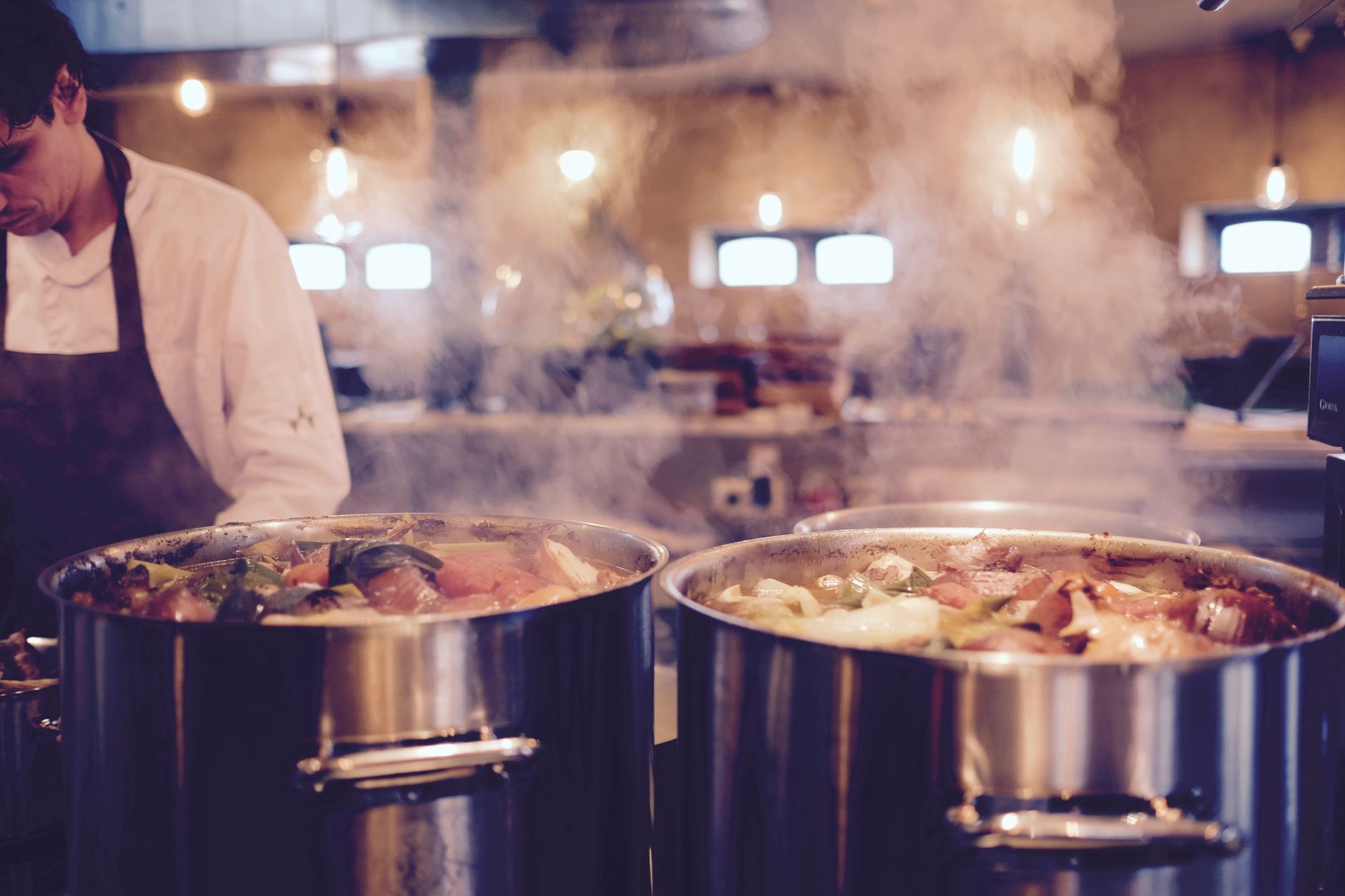
Vegetable broth and vegetable stock are two essential liquids in cooking, often used interchangeably in recipes. However, they differ in their preparation and flavor profiles. Understanding these differences can elevate your cooking skills and result in more nuanced dishes.
This article explores the distinctions between vegetable broth and vegetable stock, including how they are made, their culinary uses, and how to choose or make them at home. Whether you’re vegan, vegetarian, or just looking to add some depth to your meals, knowing the difference is key.
Is Vegetable Broth The Same As Vegetable Stock?
No, vegetable broth and vegetable stock are not the same. While both are made using vegetables and water, their ingredients and intended uses vary. Vegetable stock tends to be richer and more robust, primarily used as a foundation for sauces and soups, while vegetable broth is lighter and can be consumed on its own.
Let’s delve deeper into their ingredients, preparation methods, flavor profiles, and practical applications in cooking.
Understanding Broth and Stock
Broth and stock serve similar purposes but are crafted differently. Let’s break down the key differences in terms of ingredients, preparation, and flavor.
Ingredients
The primary difference lies in the ingredients used in each. Here’s a closer look:
- Vegetable Broth: Typically made with a variety of aromatic vegetables, herbs, and spices. Common ingredients include:
- Onions
- Carrots
- Celery
- Garlic
- Herbs such as thyme, bay leaves, or parsley
- Salt and pepper
- Vegetable Stock: Often includes the same vegetables but may also incorporate additional components for a deeper flavor. These can include:
- Vegetable trimmings like mushroom stems, leeks, or tomatoes
- More substantial herbs and spices
- Occasionally roasted vegetables to enhance the flavor further
Preparation Methods
Preparation techniques also differ between the two:
- Vegetable Broth: Usually simmered for a shorter period, typically about 30 to 60 minutes. The focus is on extracting the flavors from the vegetables.
- Vegetable Stock: Generally simmered for a longer duration—up to several hours. This extended cooking time allows for the extraction of gelatin and more complex flavors, making it a richer liquid.
Flavor Profiles
Because of their different preparation styles, broth and stock exhibit distinct flavor profiles:
- Vegetable Broth: Light, bright, and can be enjoyed as a base for soups or consumed on its own. It’s frequently seasoned with salt, making it more palatable right away.
- Vegetable Stock: Heartier, richer, and more robust due to the longer cooking time. It’s versatile for use in sauces, risottos, and stews where a deeper flavor is desired.
Usage in Cooking
Understanding the differences will help you select the appropriate liquid for your dishes:
- Soups: If you want a light, clear soup, you may choose broth. For richer, tastier soups, stock is the way to go.
- Sauces: Stock is typically used as a base for sauces, providing depth and complexity.
- Grains and Risottos: When cooking grains or risotto, stock enhances the overall flavor of the dish compared to water or broth.
How to Make Vegetable Broth and Stock at Home
Both vegetable broth and stock are simple to make at home and allow you to utilize vegetable scraps, reducing waste and enhancing flavor.
Homemade Vegetable Broth Recipe
This recipe yields about 4 quarts of vegetable broth and takes approximately 1 hour to prepare.
Ingredients
- 2 onions, quartered
- 2 carrots, chopped
- 2 celery stalks, chopped
- 6 cloves garlic, crushed
- 1 bunch fresh parsley
- 2 bay leaves
- 8 cups of water
- Salt and pepper to taste
Essential Equipment
- Large pot
- Strainer or fine mesh sieve
- Stirring spoon
- Measuring cups
Instructions
- Place all the vegetables in a large pot.
- Add the water to cover the vegetables.
- Add bay leaves, parsley, salt, and pepper.
- Bring to a boil over medium-high heat.
- Reduce heat and let it simmer for 30-60 minutes, occasionally skimming off any foam that forms on top.
- Remove from heat and strain the broth through a fine mesh sieve.
- Taste and season further if necessary. Allow to cool and store in airtight containers.
Homemade Vegetable Stock Recipe
This recipe yields about 4 quarts of vegetable stock and takes roughly 2-4 hours to prepare.
Ingredients
- 3 onions, halved
- 3 carrots, chopped
- 3 celery stalks, chopped
- 2 cups mushrooms, stalks and caps, chopped
- 2 tomatoes, quartered
- 1 bunch thyme
- 1 cup leeks, chopped
- 2 bay leaves
- 10 cups of water
- Salt and pepper to taste
Essential Equipment
- Large pot
- Strainer or fine mesh sieve
- Stirring spoon
- Measuring cups
Instructions
- In a large pot, combine all the prepared vegetables.
- Add enough water to cover the vegetables completely.
- Add bay leaves and thyme.
- Bring to a boil, then reduce to a simmer.
- Let simmer for 2-4 hours, skimming occasionally.
- Strain out the vegetables and herbs, retaining only the liquid.
- Let cool, season to taste, and store in airtight containers.
Tips for Making Great Broth and Stock
- Use Scraps: Save vegetable scraps, like onion skins, carrot tops, and celery leaves, to reduce waste and deepen flavors.
- Don’t Over-Season: Since broth and stock are often used in various recipes, it’s best to keep seasoning minimal until you’re ready to use it.
- Cool Properly: Refrigerate or freeze your broth/stock within 2 hours of cooking to maintain food safety.
- Store Safely: Use airtight containers and leave some space for expansion if freezing.
Common Mistakes to Avoid
Here are some mistakes to watch for in making and using broth and stock:
- Overcooking: Cooking broth or stock for too long can lead to bitter flavors.
- Under-Seasoning: Don’t forget to taste and adjust seasoning before using your broth or stock in a recipe.
- Not Skimming: Skimming toxins and foam during the simmering process improves the clarity and taste.
Substitutions for Vegetable Broth and Stock
If you don’t have vegetable broth or stock on hand, consider these alternatives:
- Water: While flavorless, water can be used as a base in a pinch—just be aware that it lacks the depth that broth and stock provide.
- Canned Broth or Stock: Store-bought options can work if homemade isn’t available. Opt for low-sodium varieties for better control over the flavor.
- Other Stocks: Chicken or beef stock can be used, but they won’t be suitable for vegetarian or vegan recipes.
Conclusion
Vegetable broth and vegetable stock are not the same, each serving unique purposes in your cooking. Knowing when to use broth versus stock can enhance your dishes, allowing for greater flavor and satisfaction. Homemade versions are easy to create and a fantastic way to ensure freshness and reduce waste.
Explore related recipes or cooking tips that can further enhance your dishes. Check out our guides on chicken stock and turkey broth for more information on making foundational liquids for your culinary creations.