
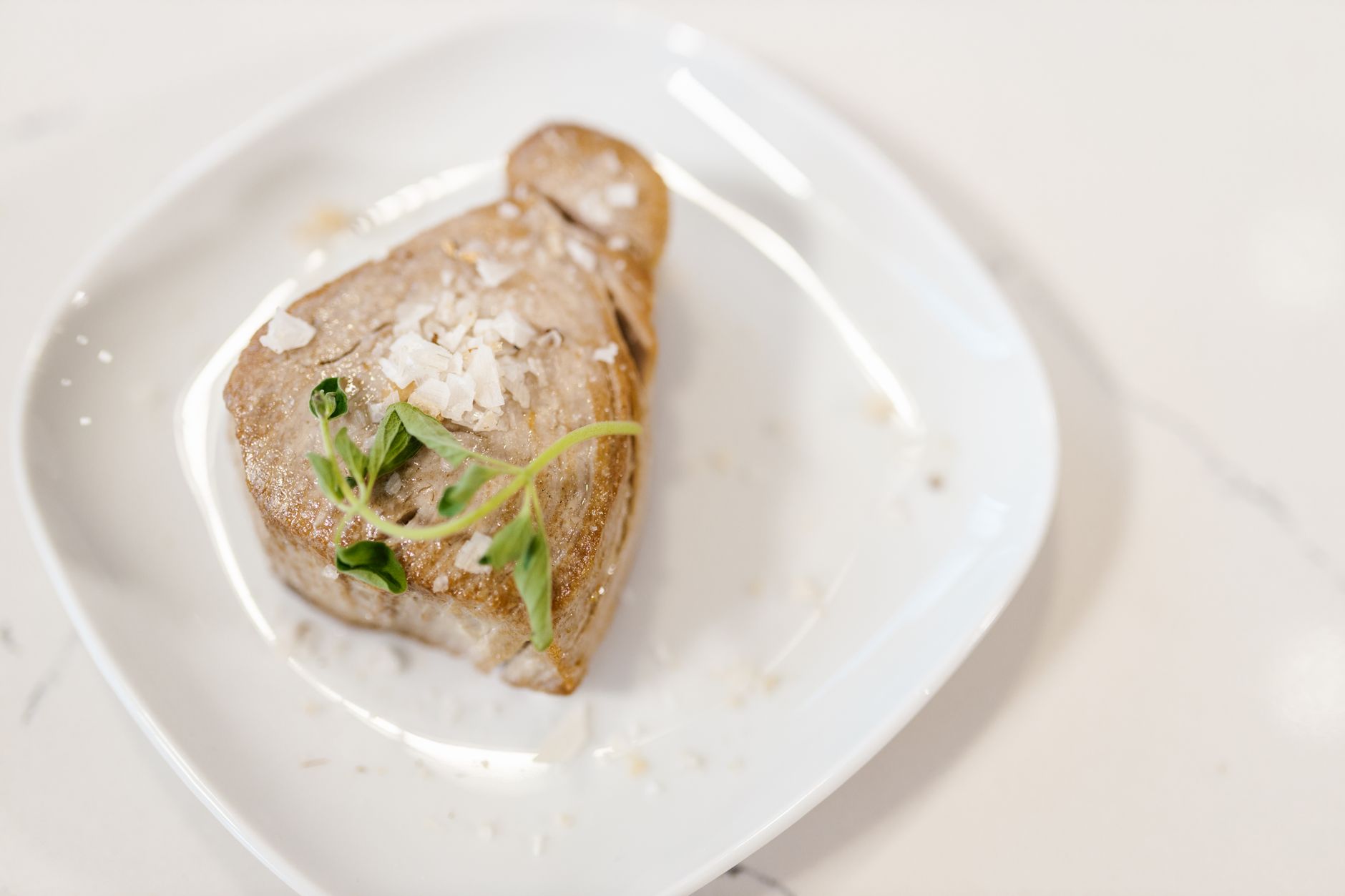
Tuna is a popular fish loved for its rich flavor and versatility in a variety of dishes. As a staple in many diets, many people wonder whether it can contribute significantly to their iron intake. Understanding how much iron is in tuna can aid in meal planning and ensuring adequate nutrition, particularly for those who may struggle to consume enough iron-rich foods.
This article will explore whether tuna is high in iron, along with its nutritional profile, different types of tuna, serving sizes, and practical information on incorporating tuna into your meals.
Is Tuna High in Iron?
Yes, tuna is relatively high in iron compared to many other seafood options. A 3-ounce serving of canned light tuna provides about 1.3 mg of iron, while canned white (albacore) tuna contains about 1.4 mg of iron. Both types offer a good source of iron for those looking to boost their intake.
Nutritional Overview of Tuna
Tuna is not just a source of iron; it also packs a range of other important nutrients. Here’s a quick look at the nutritional values for a standard 3-ounce serving of canned light tuna in water:
- Calories: 100
- Protein: 22 grams
- Fat: 1 gram
- Iron: 1.3 mg
- Omega-3 Fatty Acids: Approximately 0.2 grams
- Vitamin D: 3.5 mcg
- Vitamin B12: 2.2 mcg
This nutritional information makes tuna a valuable addition to a balanced diet, especially for those seeking lean protein sources rich in essential vitamins and minerals.
Types of Tuna and Their Iron Content
There are several varieties of tuna available, each with slightly different nutritional profiles. Here are some common types and their iron content:
- Canned Light Tuna: Approximately 1.3 mg of iron per 3-ounce serving.
- Canned Albacore Tuna: Approximately 1.4 mg of iron per 3-ounce serving.
- Fresh Yellowfin Tuna: Roughly 1.2 mg of iron per 3-ounce serving.
- Fresh Bluefin Tuna: About 1.5 mg of iron per 3-ounce serving.
As can be seen, while there are minor variations, many types of tuna are good sources of iron. Choosing different types can also add variety to your meals.
Health Benefits of Iron
Iron is a crucial mineral for numerous bodily functions. Here are some key benefits of including sufficient iron in your diet:
- Red Blood Cell Production: Iron is vital for the production of hemoglobin, the protein in red blood cells that carries oxygen throughout the body.
- Energy Levels: Adequate iron levels can help prevent fatigue, as low iron is often associated with tiredness and decreased energy.
- Immune Function: Iron plays a role in maintaining a strong immune system, helping to fend off infections and diseases.
- Cognitive Function: Sufficient iron is important for overall brain health, supporting cognitive abilities and mental clarity.
Iron Deficiency: A Common Concern
Iron deficiency can lead to anemia, characterized by a lack of sufficient healthy red blood cells. The symptoms of iron deficiency anemia can include:
- Fatigue and weakness
- Pale skin
- Shortness of breath during physical activity
- Dizziness or lightheadedness
Individuals at higher risk for iron deficiency include vegetarians, pregnant women, and those with certain health conditions. Ensuring an adequate intake of iron-rich foods like tuna is essential for preventing deficiency.
How to Incorporate Tuna into Your Meals
Adding tuna to your diet can be easy and enjoyable. Here are several practical ways to incorporate it into your meals:
1. Tuna Salad
Tuna salad is a classic and versatile dish. Combine canned tuna with mayonnaise, diced celery, onions, and pepper for a simple salad. Serve it on a bed of greens, in a sandwich, or with whole grain crackers.
2. Tuna Casserole
Tuna casserole can be a comforting dish for the family. Mix cooked pasta, cream of mushroom soup, canned tuna, and frozen peas, then bake until bubbly.
3. Sushi and Sashimi
Fresh tuna is often used in sushi and sashimi. You can enjoy it raw in poke bowls or prepared as sushi rolls with avocado and cucumber.
4. Tuna Tacos
Dress up canned tuna with taco seasoning, and serve it in corn tortillas with shredded cabbage, salsa, and avocado for a unique taco night.
5. Tuna Empanadas
Make savory empanadas filled with seasoned tuna, onions, and olives. They can be baked or fried and make for a delicious snack or appetizer.
What to Pair with Tuna for Enhanced Iron Absorption
To maximize iron absorption from tuna, consider pairing it with vitamin C-rich foods, such as:
- Citrus fruits (oranges, grapefruits)
- Bell peppers
- Tomatoes
- Broccoli
Vitamin C aids in the absorption of non-heme iron (the type found in plant foods and fish), making these combinations a smart choice.
Serving Sizes for Optimal Iron Intake
For the best nutritional benefits, pay attention to appropriate serving sizes of tuna. A common serving size is about 3 ounces, which typically provides a satisfactory amount of protein and iron. However, consider these tips:
- Limit consumption to 2-3 servings of tuna per week to minimize exposure to mercury, especially with larger tuna varieties.
- Vary your seafood options with other fish and plant-based sources of iron.
Safety Considerations When Consuming Tuna
While tuna is a nutritious option, it’s essential to be aware of mercury content. Larger species like bluefin tend to have higher mercury levels, potentially harming those who consume them regularly.
For pregnant women, nursing mothers, and young children, it is advised to choose light canned tuna or smaller species (like skipjack) and limit intake to reduce mercury exposure.
Conclusion
Tuna can be a delicious and beneficial addition to your diet, not only for its flavor and versatility but also for its iron content. With various ways to prepare and enjoy it, tuna can help you meet your protein and iron needs effectively. Consider balancing your meals with vitamin C-rich foods to enhance iron absorption, and don’t hesitate to explore different types of tuna to keep your menu interesting.
Explore more about iron-rich foods, or check out our healthy tuna salad recipe for a simple meal idea. You can ensure you’re maximizing your iron intake with versatile ingredients! For more information, visit What Has Iron and try out our Healthy Tuna Salad Recipe for a nutritious meal option.