
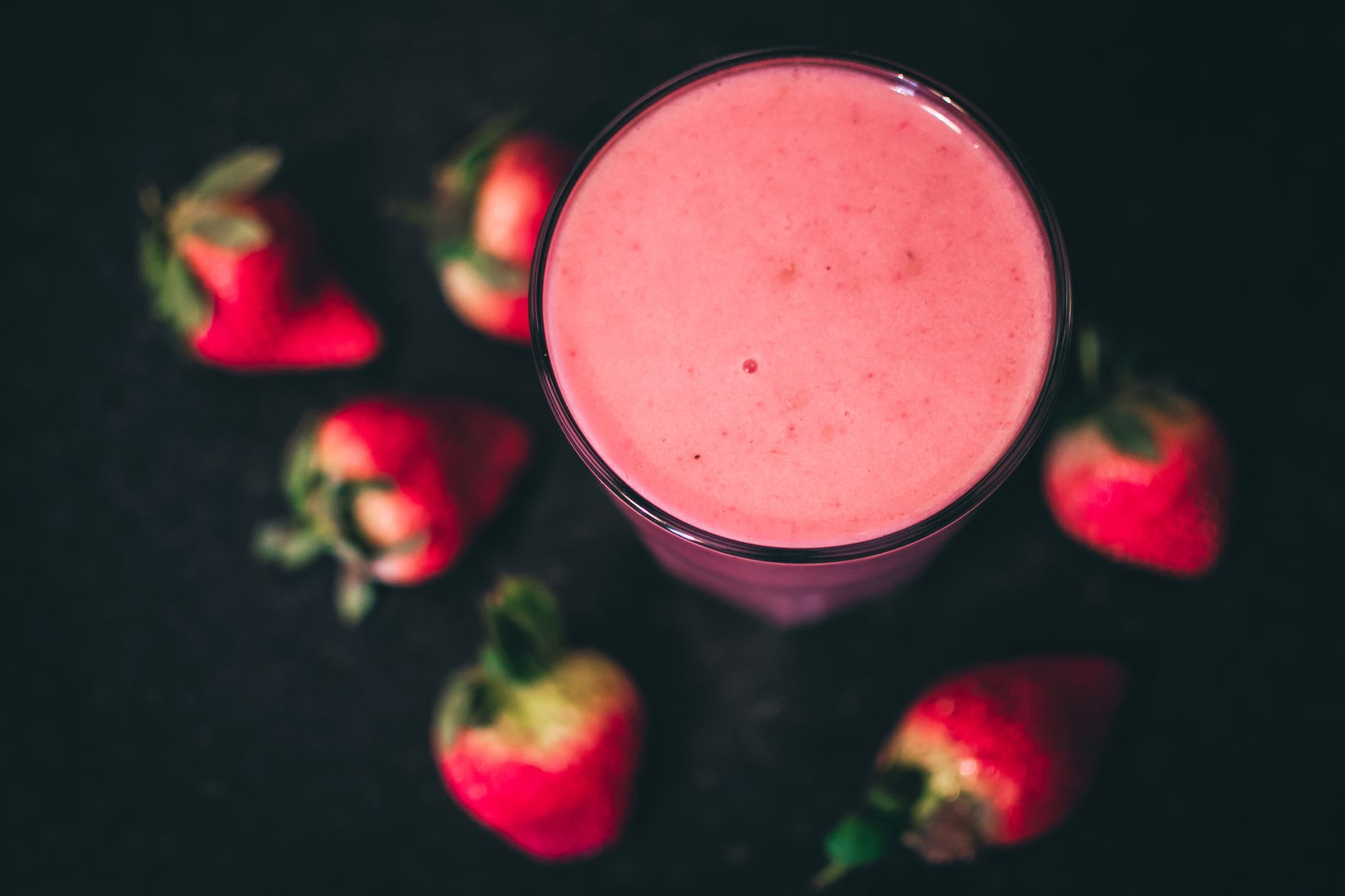
Strawberries are a popular and versatile fruit enjoyed in various dishes from breakfast to dessert. They are celebrated for their vibrant color, sweet flavor, and juicy texture. As more people focus on their protein intake, a common question arises: Is there protein in strawberries? Understanding the protein content of strawberries can help inform dietary choices and meal planning.
In this article, we’ll explore the protein content in strawberries, how they compare to other fruits, and practical ways to incorporate them into your meals. We’ll provide serving sizes, nutritional values, and tips on how to enjoy strawberries to maximize their benefits.
Is There Protein in Strawberries?
Yes, strawberries do contain protein, but in relatively small amounts compared to other foods. A single cup of whole strawberries (approximately 152 grams) contains about 1 gram of protein. While this isn’t a significant source of protein, strawberries do provide other beneficial nutrients that contribute to a balanced diet.
Understanding Strawberries’ Nutritional Profile
Aside from protein, strawberries are rich in vitamins, minerals, and antioxidants. Here’s a breakdown of what you’ll find in a one-cup serving of whole strawberries:
- Calories: 49
- Carbohydrates: 11.7 grams
- Dietary Fiber: 3 grams
- Sugars: 7.4 grams
- Fat: 0.5 grams
- Vitamin C: 97.6 mg (approximately 108% of the Daily Value)
- Potassium: 233 mg (approximately 7% of the Daily Value)
- Folate: 40 mcg (approximately 10% of the Daily Value)
Strawberries vs. Other Fruits
When comparing the protein content of strawberries to other fruits, it’s clear that they are not a standout source. Here’s how strawberries stack up against some other fruits:
| Fruit | Protein per 1 Cup |
|---|---|
| Strawberries | 1 gram |
| Banana | 1.3 grams |
| Blueberries | 1.1 grams |
| Blackberries | 2 grams |
| Avocado | 3 grams |
As illustrated, while strawberries do contain protein, they are not the highest in this nutrient among fruits. However, they compensate with their unique flavor and nutritional benefits, making them a worthy addition to a balanced diet.
Combining Strawberries with Protein-Rich Foods
To increase protein intake while enjoying strawberries, consider combining them with other protein-rich foods. Here are some practical pairings:
- Greek Yogurt: Top strawberries with Greek yogurt for a delicious breakfast or snack.
- Nuts: Add sliced strawberries to a bowl of mixed nuts or nut butter for healthy fats and protein.
- Quinoa: Incorporate strawberries into a quinoa salad along with vegetables and nuts.
- Cheese: Serve strawberries with cheese for an impressive cheese platter.
- Protein Smoothies: Blend strawberries with protein powder, spinach, and your choice of milk or yogurt for a nutrient-packed smoothie.
Practical Ways to Incorporate Strawberries into Your Diet
Finding ways to enjoy strawberries can enhance your meals and snacks. Here are some suggestions:
1. Strawberry Smoothies
Strawberries can be the star ingredient in smoothies. Combine them with yogurt, bananas, and a scoop of protein powder for a refreshing drink.
2. Strawberry Salads
Adding fresh strawberries to salads can provide a sweet contrast. Try a spinach salad with sliced strawberries, feta cheese, walnuts, and a balsamic vinaigrette.
3. Strawberry Desserts
Strawberries make a great base for desserts. Consider baking a strawberry shortcake or preparing a strawberry compote to top yogurt or pancakes.
4. Strawberry Infused Water
Infuse water with fresh strawberries, along with mint or cucumber, to create a refreshing and healthy beverage.
5. Strawberry Chia Seed Pudding
For a unique breakfast option, mix chia seeds with almond milk and chopped strawberries, and let it sit overnight. Enjoy it the next morning as a nutritious pudding.
Meal Planning with Strawberries
Incorporating strawberries into your meal plans is easy given their versatility. Here’s a 3-day meal plan featuring strawberries:
Day 1:
- Breakfast: Greek yogurt with sliced strawberries and granola.
- Lunch: Spinach salad with strawberries, walnuts, and balsamic dressing.
- Dinner: Grilled chicken with a side of quinoa and roasted vegetables.
- Dessert: Strawberry sorbet.
Day 2:
- Breakfast: Smoothie with strawberries, banana, spinach, and protein powder.
- Lunch: Turkey wrap with strawberries and spinach.
- Dinner: Salmon with a strawberry salsa served over rice.
- Dessert: Dark chocolate dipped strawberries.
Day 3:
- Breakfast: Overnight oats with strawberries and chia seeds.
- Lunch: Mixed greens with sliced strawberries, feta, and grilled chicken.
- Dinner: Pasta with spinach, strawberries, and goat cheese.
- Dessert: Strawberry shortcake.
Common Mistakes When Using Strawberries
While strawberries are relatively simple to use, here are some common mistakes to avoid:
- Washing Too Early: Wash strawberries only before using to prevent spoilage.
- Cutting Before Storing: Whole strawberries last longer than cut strawberries. Always store them whole until ready to consume.
- Ignoring Seasonality: Strawberries are in season from late spring to early summer. Choose fresh, local strawberries when they are in season for the best flavor.
Storing Strawberries
Proper storage of strawberries can prolong their shelf life and maintain their freshness. Here are some guidelines:
Short-term Storage
For short-term storage, keep strawberries in the refrigerator. Store them in their original container or a breathable container to allow air circulation. Avoid washing them until you’re ready to eat or use them.
Long-term Storage
If you want to keep strawberries for longer, consider freezing them:
- Wash and dry the strawberries thoroughly.
- Remove the green tops and slice if desired.
- Spread them out in a single layer on a baking sheet and freeze until solid.
- Transfer the frozen strawberries to a freezer-safe bag or container, removing as much air as possible.
Conclusion
Strawberries do contain protein, albeit in small amounts. This delicious fruit is packed with vitamins, antioxidants, and fiber, making it a healthy addition to your diet. By incorporating strawberries in various dishes and pairing them with protein-rich ingredients, you can enjoy their flavor while benefiting from their unique nutritional profile.
Explore more creative ways to enjoy protein-packed treats, such as with protein brownies and protein cookies. Each recipe can help you satisfy your sweet tooth while boosting your protein intake.