
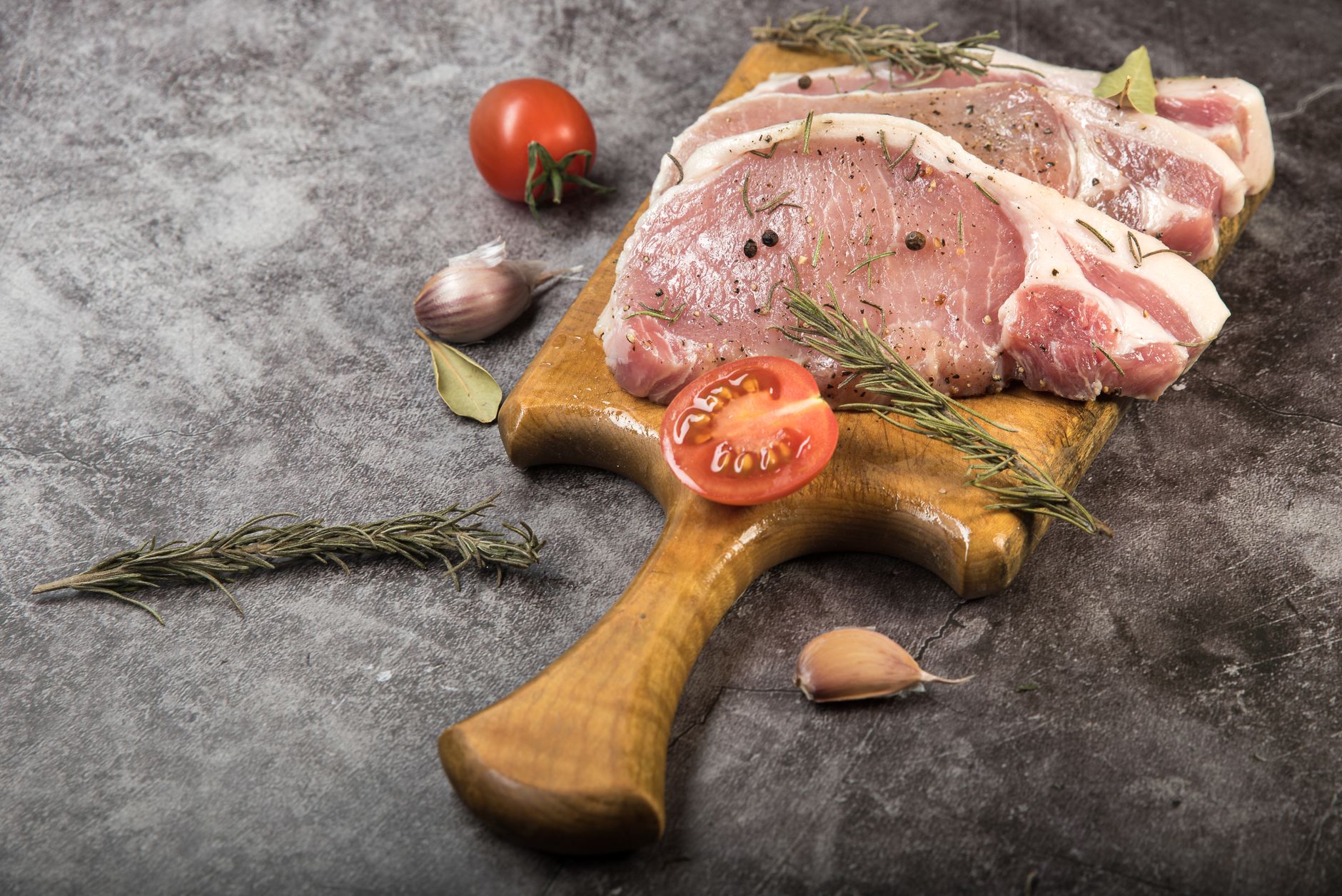
Pork is a staple meat enjoyed worldwide, known for its rich flavor and versatility in various dishes. For those concerned with iron intake, understanding pork’s nutritional profile becomes essential. This article delves into whether there is iron in pork, exploring its nutritional facts, serving sizes, and tips for maximizing iron absorption from this popular meat.
Iron is a crucial mineral for the human body, playing a vital role in oxygen transport, energy production, and overall metabolic function. Let’s investigate the iron content in different pork cuts and discover how to incorporate it into a balanced diet.
Is There Iron in Pork?
Yes, pork contains iron, primarily in the form of heme iron, which is more easily absorbed by the body than non-heme iron found in plant foods. The iron content varies among different cuts of pork, with some being richer in this essential mineral than others.
Nutritional Benefits of Iron in Pork
Pork provides several benefits beyond its iron content. It’s a great source of high-quality protein, essential vitamins, and minerals that contribute to a balanced diet. Here are some key benefits of including pork in your meals:
- High Protein Content: Pork is rich in protein, which is necessary for muscle repair and growth.
- B Vitamins: Pork is a good source of B vitamins, particularly B6 and B12, which support energy metabolism and brain function.
- Zinc and Selenium: These minerals play a role in immune function and antioxidant protection.
Iron Content in Different Cuts of Pork
Not all pork cuts are created equal when it comes to iron content. Here is a breakdown of the approximate iron content in various cuts of pork per 100 grams:
| Cut of Pork | Iron Content (mg) |
|---|---|
| Pork Liver | 18.0 |
| Ground Pork | 1.2 |
| Pork Chops (bone-in) | 0.9 |
| Pork Tenderloin | 1.0 |
| Spare Ribs | 1.0 |
| Ham (cooked) | 0.8 |
Pork liver stands out as an exceptional source of iron due to its nutrient density. Ground pork and other popular cuts, such as chops and tenderloin, provide a modest but significant amount of iron suitable for inclusion in a balanced diet.
Iron Absorption and Cooking Methods
To enhance iron absorption from pork, it’s essential to consider how cooking methods affect nutrient availability. Here are some tips on how to prepare pork to maximize its iron content:
- Cooking Temperature: Cook pork at a safe temperature to preserve its nutrients. The USDA recommends an internal temperature of 145°F (63°C) for whole cuts of pork, followed by a three-minute rest time.
- Pair with Vitamin C: Foods rich in vitamin C, such as bell peppers, citrus fruits, and tomatoes, can enhance iron absorption from pork when included in a meal.
- Avoid Calcium at the Same Meal: Consuming high-calcium foods, like dairy, alongside iron-rich pork may inhibit iron absorption. Aim to separate these foods by a few hours.
Recommended Serving Sizes of Pork
Understanding appropriate serving sizes is crucial, not just for meeting iron needs but for overall nutrition. A recommended serving size of cooked pork is typically 3 ounces (85 grams). This portion provides a balanced amount of protein, iron, and other nutrients without excessive fat intake.
Sample Serving Suggestions
Here are some ideas for incorporating pork into your meals while also obtaining beneficial iron:
- Pork Stir-Fry: Stir-fry sliced pork tenderloin with bell peppers, broccoli, and snap peas for a colorful, vitamin C-rich meal.
- Pork Chops with Citrus Salsa: Serve grilled pork chops topped with a fresh salsa made from oranges or grapefruits to boost iron absorption.
- Slow-Cooked Pork with Beans: Combine pulled pork with black beans and add a side of sautéed spinach for a hearty, iron-rich dinner.
Common Mistakes When Cooking Pork
When preparing pork, there are some common pitfalls to avoid to ensure a tasty and healthful meal:
- Overcooking: Overcooked pork can become dry and tough. Using a meat thermometer helps achieve the perfect doneness without sacrificing moisture.
- Ignoring Marinades: Marinating pork not only enhances flavor but can also provide additional nutrients and antioxidants.
- Poor Seasoning: Seasoning pork adequately before cooking considerably improves the overall flavor profile.
Storage and Reheating of Pork
Proper storage and reheating techniques are essential to maintain the quality and safety of pork:
- Storage: Cooked pork should be stored in the refrigerator and consumed within three to four days. For longer storage, freeze cooked pork in airtight containers or freezer bags.
- Reheating: When reheating, ensure pork reaches an internal temperature of 165°F (74°C) to ensure food safety.
Dietary Preferences and Iron Sources
For individuals following specific dietary preferences or restrictions, finding alternative iron sources can be important. While pork is a significant source of heme iron, here are some plant-based alternatives and their content:
| Food Item | Iron Content (mg) |
|---|---|
| Lentils (cooked) | 3.3 |
| Spinach (cooked) | 3.6 |
| Amylopectin Corn (cooked) | 2.1 |
| Chickpeas (cooked) | 2.9 |
These alternatives contain non-heme iron, which is less well absorbed than heme iron from animal sources. Pairing them with vitamin C-rich foods can help enhance absorption.
Integrating Pork into Meal Planning
When meal planning, incorporating pork can help create balanced, iron-rich meals. Here’s a simple weekly meal plan idea that integrates pork while maximizing iron intake:
- Monday: Pork stir-fry with bell peppers and quinoa.
- Tuesday: Baked pork chops with a side of sautéed spinach and olives.
- Wednesday: Pork tacos with black beans and avocado.
- Thursday: Pulled pork sliders on whole grain buns with a side salad.
- Friday: Grilled pork tenderloin with a citrus glaze and steamed broccoli.
- Saturday: Pork and vegetable soup with crusty bread.
- Sunday: Leftover pork stew made with remaining vegetables.
Conclusion
Pork is an excellent source of iron, particularly in cuts like liver, while also offering high-quality protein and essential nutrients. Understanding how to prepare pork, what serving sizes to use, and how to pair it with complementary ingredients can make it a delicious and nutritious part of your diet. For those seeking to enhance their iron intake, incorporating pork into balanced meals can help achieve dietary goals.
Explore more about foods rich in iron and try the pork chop supreme recipe for a delicious way to incorporate pork into your diet. Check out what has iron and discover the pork chop supreme recipe for more cooking inspiration.