
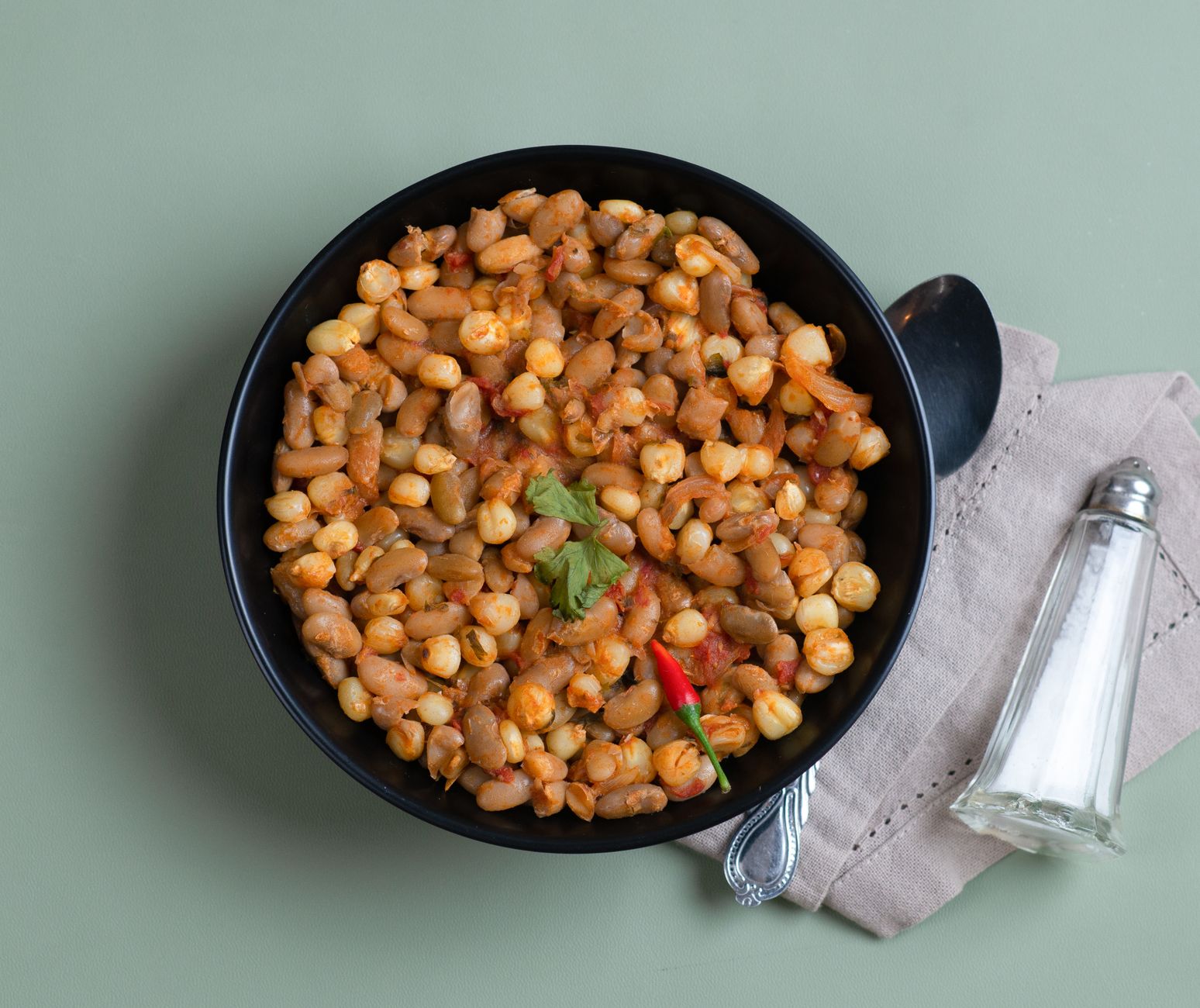
Beans are a staple in many diets worldwide, known for their versatility and nutrient density. Among their various health benefits, one question often arises: Is there iron in beans? Understanding the iron content in different types of beans can be crucial for meal planning, especially for vegetarians, vegans, and anyone monitoring their iron intake.
This article delves into the specifics of iron in beans, covering the types of beans with the highest iron content, their nutritional benefits, and how to incorporate them into your meals effectively.
Is There Iron in Beans?
Yes, beans do contain iron, making them a valuable protein source for those seeking to boost their iron intake. The iron found in beans is primarily non-heme iron, which is less easily absorbed by the body compared to heme iron found in animal products. However, with the right preparation and combination of foods, beans can significantly contribute to your daily iron requirements.
Types of Beans and Their Iron Content
Different varieties of beans have varying levels of iron. Below is a detailed look at some common types of beans and their respective iron content per cooked cup (approximately 177 grams):
| Type of Bean | Iron Content (mg) |
|---|---|
| White Beans | 8.0 mg |
| Chickpeas (Garbanzo Beans) | 4.7 mg |
| Lentils | 6.6 mg |
| Pinto Beans | 3.6 mg |
| Black Beans | 3.6 mg |
| Kidney Beans | 3.9 mg |
| Navy Beans | 4.5 mg |
Importance of Iron in the Diet
Iron is an essential mineral that plays a pivotal role in various bodily functions. It is crucial for the formation of hemoglobin, which transports oxygen in the blood, and myoglobin, which provides oxygen to muscles. A deficiency in iron can lead to anemia, fatigue, weakened immunity, and other health issues.
Daily Iron Requirements
The recommended dietary allowance (RDA) for iron varies based on age, sex, and individual circumstances:
- Adult men: 8 mg
- Adult women (19-50 years): 18 mg
- Adult women (51 years and older): 8 mg
- Pregnant women: 27 mg
- Lactating women: 9-10 mg
Enhancing Iron Absorption from Beans
The non-heme iron found in beans is not absorbed as efficiently as heme iron. However, certain strategies can improve iron absorption:
Pair with Vitamin C-Rich Foods
Eating foods rich in vitamin C alongside beans can significantly enhance iron absorption. Consider adding:
- Bell peppers
- Citrus fruits (oranges, lemons)
- Tomatoes
- Berries
Avoid Iron Inhibitors
Certain substances can inhibit iron absorption. Try to avoid consuming these at the same time as your bean dishes:
- Calcium-rich foods (dairy products)
- Caffeinated beverages (coffee, tea)
- High fiber foods (if consumed in excessive amounts)
Soaking and Cooking Beans
Soaking beans before cooking can help break down anti-nutrients like phytates that inhibit mineral absorption. Rinse the beans thoroughly after soaking, and cook them adequately to improve overall nutrient availability.
Incorporating Beans into Your Diet
Beans are highly versatile and can be incorporated into a variety of meals. Here are some practical ways to add beans to your diet:
1. Bean Salads
Combine cooked beans with diced vegetables, olive oil, vinegar, and your favorite herbs for a quick and nutritious salad. Excellent combinations include:
- Black beans with corn, avocado, and lime
- Chickpeas with cucumbers, tomatoes, and feta
2. Soups and Stews
Beans can serve as the base for hearty soups and stews. Try adding different beans to dishes like:
- Vegetable soup
- Chili con carne
- Split pea soup with navy beans
3. Bean Dips and Spreads
Puree beans with garlic, olive oil, and spices to create flavorful dips or spreads. Popular options include:
- Hummus (made from chickpeas)
- Black bean dip
4. Bean Burgers
Using mashed beans as a base for veggie burgers can provide a protein-rich alternative to meat. Experiment with black bean burgers or lentil burgers using oats and spices for texture and flavor.
5. Wraps and Sandwiches
Add beans to wraps, burritos, or sandwiches for added protein and fiber. Consider using:
- Refried beans in a burrito
- Chickpeas in a sandwich with lettuce and tomato
Common Mistakes When Cooking Beans
Cooking beans might seem straightforward, but there are common pitfalls to avoid:
1. Not Soaking Dried Beans
Skipping the soaking process can lead to longer cooking times and unevenly cooked beans. Always soak dried beans overnight or for at least 6-8 hours prior to cooking.
2. Cooking Too Quickly
Using high heat to cook beans can result in bursting beans and an undesirable texture. Always cook them on low to medium heat for even results.
3. Not Straining Bean Soaking Water
It’s crucial to discard the soaking water as it contains indigestible sugars that can cause gas. Always rinse beans thoroughly before cooking.
Meal Planning with Beans
Incorporating beans into everyday meals can be easy with a bit of strategic planning. Here are some tips for meal planning with beans:
Batch Cooking
Prepare a large batch of beans at the beginning of the week. This can save time and ensure you always have protein-rich options available. Cooked beans last in the refrigerator for about 3-5 days or can be frozen for longer storage.
Meal Kits and Ingredient Combination
Keep an assortment of beans on hand along with compatible ingredients to create meals quickly. For example:
- Canned beans, rice, and salsa make a quick burrito bowl.
- Frozen vegetables and lentils can be turned into a soup or stew.
Exploring Global Cuisines
Beans have a significant presence in various cuisines, such as:
- Mexican cuisine (refried beans, black bean soup)
- Middle Eastern cuisine (hummus, falafel)
- Indian cuisine (dal, chana masala)
Experimenting with different cuisines can bring excitement and variety to your meals while maximizing the nutritional benefits of beans.
Conclusion
Beans are a nutritious and versatile food that provides a good source of iron, especially beneficial for those on plant-based diets. By understanding how to enhance iron absorption and incorporating beans into a variety of meals, you can successfully boost your iron intake while enjoying flavorful dishes. Start experimenting with beans today!
If you’re interested in learning more about iron-rich foods or specific bean recipes, explore additional resources on what has iron and discover delicious Great Northern Beans recipe for your culinary adventures!