
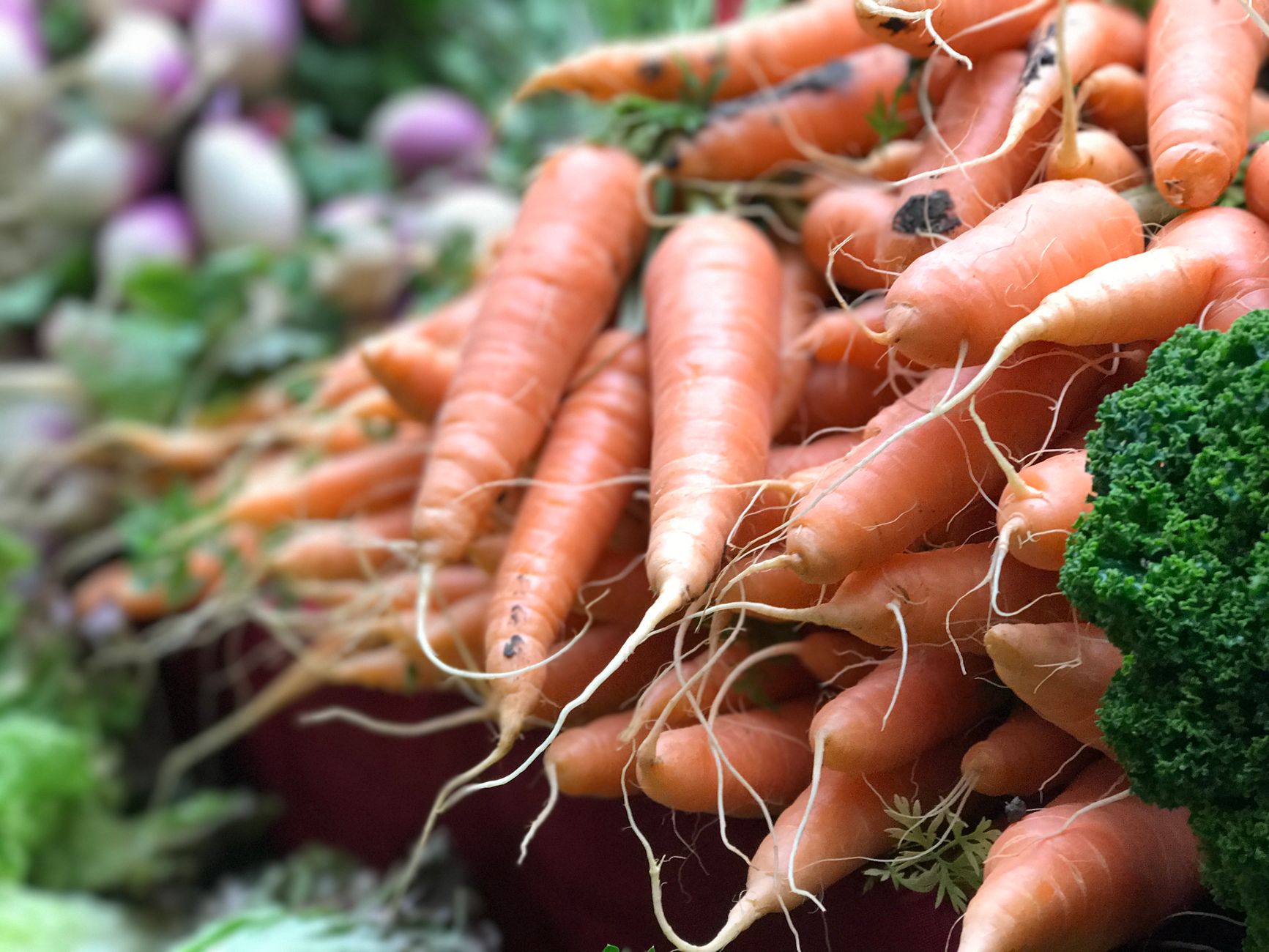
Carrots are not only a colorful addition to your meals, but they are also packed with nutrients. One important aspect of carrots is their fiber content. Understanding the fiber content in carrots can help you incorporate them into a balanced diet and maximize their health benefits. This article delves into the fiber content of carrots, their nutritional profile, health advantages, and how to effectively include them in your meals.
In this detailed guide, we will cover the fiber content of carrots, serving sizes, alternative high-fiber vegetables, and practical tips for preparation and consumption. Knowing about the fiber in your food can help you make informed dietary choices.
Is There Fiber in Carrots?
Yes, carrots do contain fiber. On average, a medium-sized raw carrot (approximately 61 grams) has about 1.5 grams of dietary fiber. This fiber is essential for maintaining gut health, reducing the risk of certain diseases, and promoting feelings of fullness.
Nutritional Profile of Carrots
Before diving into the specifics of fiber, it’s beneficial to understand the overall nutritional value of carrots. Here’s a brief overview of what a typical 100-gram serving of raw carrots contains:
| Nutrient | Amount per 100g |
|---|---|
| Calories | 41 |
| Carbohydrates | 9.6 g |
| Fiber | 2.8 g |
| Protein | 0.9 g |
| Fat | 0.2 g |
| Vitamin A | 16,706 IU |
Rich in beta-carotene, carrots provide a host of vitamins, notably vitamin A, which is crucial for eye health. They are low in calories, making them an excellent snack option.
Understanding Dietary Fiber
Dietary fiber is a type of carbohydrate that the body cannot digest. While many foods contain fiber, it falls into two main categories: soluble and insoluble fiber. Both types play different roles in our digestive health.
Soluble Fiber
Soluble fiber dissolves in water and forms a gel-like substance. It helps lower blood cholesterol and glucose levels. Foods high in soluble fiber include oats, barley, nuts, seeds, beans, lentils, peas, and some fruits and vegetables.
Insoluble Fiber
Insoluble fiber does not dissolve in water and helps move food through the digestive tract. It promotes regular bowel movements and prevents constipation. Whole grains, wheat bran, legumes, and vegetables like carrots contribute to this type of fiber.
The Role of Fiber in Health
Including sufficient fiber in your diet is linked to a variety of health benefits:
- Digestive Health: Fiber aids in maintaining a healthy digestive system by preventing constipation and promoting regular bowel movements.
- Weight Management: High-fiber foods help you feel fuller longer, which can aid in weight control.
- Cardiovascular Health: Both types of fiber can lower cholesterol levels and improve heart health.
- Blood Sugar Control: Eating fiber-rich foods can help regulate blood sugar levels, beneficial for those with diabetes.
How to Incorporate Carrots into Your Diet
Carrots are versatile and can be enjoyed in various forms. Here are practical ways to include them in your meals:
Raw Snacking
Cutting carrots into sticks or rounds makes for a crunchy, healthy snack. Pair them with hummus, guacamole, or yogurt dip for added flavor and nutrients.
Salads
Grated or shredded carrots add color and crunch to salads. They pair well with leafy greens, nuts, seeds, and vinaigrette dressings.
Soups and Stews
Carrots can be added to soups, stews, and broths for a hearty touch. They soften during cooking, enhancing the dish’s flavor and nutritional content.
Roasted Dishes
Roasting carrots brings out their natural sweetness. Toss them with olive oil, salt, and your favorite herbs before roasting at 425°F (220°C) for about 20-25 minutes until tender.
Juicing and Smoothies
Carrots can be juiced or blended into smoothies for a nutrient boost. Combining them with fruits like oranges or apples adds sweetness and flavor.
Serving Sizes and Fiber Recommendations
The recommended daily intake of fiber varies based on age and sex:
- Women aged 19-50: 25 grams
- Men aged 19-50: 38 grams
Incorporating several servings of fiber-rich foods, including carrots, can contribute significantly to daily fiber needs. A balanced diet includes various vegetables, whole grains, fruits, and legumes.
Alternative High-Fiber Vegetables
If you’re looking to diversify your fiber intake, there are several other vegetables that are high in fiber:
- Broccoli: Approximately 2.6 grams of fiber per 100 grams.
- Brussels Sprouts: About 3.8 grams of fiber per 100 grams.
- Artichokes: Around 5.4 grams of fiber per 100 grams.
- Spinach: Roughly 2.2 grams of fiber per 100 grams.
- Sweet Potatoes: Approximately 3 grams of fiber per 100 grams.
Cooking Techniques for Carrots
Proper cooking techniques can maximize the flavor and texture of carrots while preserving their nutrients:
Steaming
Steaming carrots helps retain their vibrant color and nutrients. This method is quick and involves cooking them in steam until they are tender, about 8-10 minutes.
Boiling
When boiling carrots, do so in minimal water to prevent nutrient loss. Boil for no more than 5-7 minutes for the best texture and flavor.
Sautéing
Sautéing carrots in a bit of olive oil allows them to develop a caramelized taste. Cook on medium heat for about 10 minutes until they are tender but still crisp.
Microwaving
Microwaving is a fast alternative to cooking carrots while keeping nutrients intact. Add a splash of water to a microwave-safe dish, cover it, and cook on high for about 4-6 minutes.
Common Mistakes When Cooking Carrots
Cooking carrots may seem straightforward, but some common mistakes can detract from their quality:
- Overcooking: This leads to mushy carrots that lose flavor and nutrients. Always keep an eye on cooking times.
- Piling Too Many Together: When steaming or microwaving, overcrowding can prevent even cooking. Use multiple batches if necessary.
- Neglecting to Peel: While the skin is edible and provides some fiber, peeling can improve texture and reduce any bitterness.
Storing Carrots
Proper storage of carrots can extend their freshness and prevent spoilage:
- Refrigeration: Store carrots in the vegetable crisper drawer of your refrigerator. Keep them in a breathable plastic bag or wrapped in a damp paper towel to maintain moisture.
- Freezing: For long-term storage, blanch carrots in boiling water, cool them rapidly in cold water, and then freeze them in airtight bags.
Reheating and Using Leftovers
Cooked carrots can be reheated, but it’s essential to do this gently:
- Microwave: Place carrots in a microwave-safe dish, add a sprinkle of water, and cover. Heat in increments, stirring between to ensure even warming.
- Stovetop: Reheat in a pan over low heat with a bit of water or oil until warmed through.
Using leftover cooked carrots in soups, salads, or stir-fries adds flavor and nutrition. You can also mash them for a different side dish option.
Final Thoughts on Carrots and Fiber
Incorporating carrots into your daily diet is an excellent way to boost your fiber intake and enjoy a range of health benefits. With their versatility, you can adapt them to countless recipes and cooking styles while ensuring you are meeting your nutritional needs.
Next time you plan your meals, consider experimenting with carrots in different dishes or snacks. They are not only delicious but also a great source of fiber to keep you feeling satisfied and healthy.
For more information on dietary fiber and healthy options, check out our articles on how much fiber in bananas and whether kale has fiber.