
When it comes to preparing a delicious seafood dinner, swordfish is often a top choice due to its firm texture and mild flavor. Knowing how long to bake swordfish can make the difference between a perfectly cooked dish and an overcooked one. This guide will cover everything you need to know about baking swordfish, including timing, temperature, and tips for achieving that ideal doneness.
In this article, you will learn about the ideal baking time for swordfish steaks, how to tell when they are done, and some delicious ways to season and serve this delectable fish. Whether you’re a seasoned chef or a novice home cook, these tips will help you master baking swordfish.
How Long to Bake Swordfish?
The baking time for swordfish generally ranges from 20 to 25 minutes at a temperature of 400°F (204°C). For a thicker swordfish steak, you may need to extend the time to about 30 minutes. Always monitor the fish closely to ensure it doesn’t overcook, as it can become dry. A good rule of thumb is to bake the fish for about 10 minutes per inch of thickness.
Preparing Your Swordfish for Baking
Before you begin baking, there are several steps to prepare your swordfish steaks to enhance their flavor and texture. Here are key prep tips:
- Choosing Fresh Swordfish: Look for swordfish that is moist and bright in color with a firm texture. Avoid any fish that appears dull or has an off smell.
- Thawing Frozen Swordfish: If using frozen swordfish, thaw it in the refrigerator overnight or use the cold-water method by sealing the fish in a plastic bag and submerging it in cold water for approximately an hour.
- Pat Dry: After thawing, pat the swordfish dry with paper towels. This helps improve browning and prevents steaming during cooking.
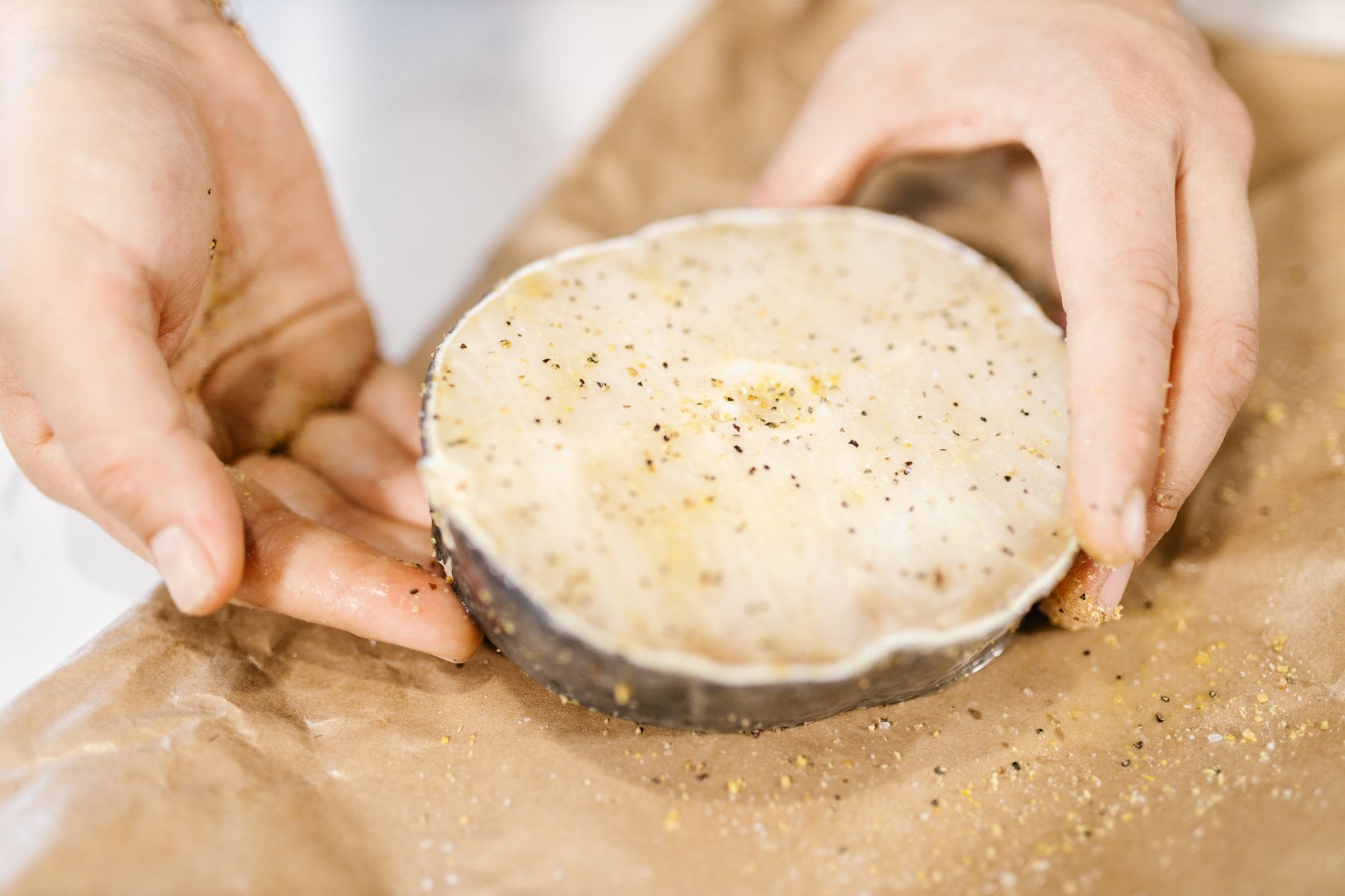
- Seasoning: Lightly season your swordfish with salt and pepper. Add other herbs and spices to taste, such as garlic, lemon, or fresh herbs like thyme or rosemary.
Essential Equipment
Having the right tools on hand makes the cooking process easier and more enjoyable. Generally, you will need:
- Baking dish or sheet pan
- Aluminum foil or parchment paper (optional for easy cleanup)
- Meat thermometer for checking doneness
- Sharp knife for portioning and serving
Step-by-Step Baking Instructions
Follow these steps to bake swordfish perfectly:
- Preheat your oven: Set your oven to 400°F (204°C) so it is hot and ready when you place the swordfish inside.
- Prepare the baking dish: Grease the baking dish lightly to prevent sticking. You may also line it with parchment paper or foil for easy cleanup.
- Arrange the swordfish: Place your seasoned swordfish steaks in a single layer on the baking dish. Ensure there is space between each piece to allow for even cooking.
- Bake: Place the dish in the preheated oven. Bake for 10 minutes per inch of thickness, checking doneness around the 20-minute mark.
- Check for doneness: Use a meat thermometer to ensure the internal temperature reaches at least 145°F (63°C). The meat should appear opaque and flake easily with a fork.
- Rest the fish: Once out of the oven, let the swordfish rest for a few minutes before serving. This helps the juices redistribute throughout the fish.
Signs That Your Swordfish is Done
Knowing when your swordfish is done is key to achieving the best texture and flavor. Here are some indicators to watch for:
- Color: Cooked swordfish should have a pale, opaque color throughout.
- Texture: The fish should be firm to the touch and flake easily when tested with a fork.
- Temperature: Use a meat thermometer to ensure it has reached an internal temperature of 145°F (63°C).
Flavor Pairings and Serving Suggestions
Once baked, swordfish pairs beautifully with a variety of flavors. Here are some excellent ideas:
- Herbed Butter: Top your baked swordfish with a dollop of herbed butter made from mixing softened butter with fresh herbs and garlic.
- Lemon-Caper Sauce: Drizzle a simple lemon-caper sauce over the fish just before serving for a bright, zesty touch.
- Salsa: A fresh mango or pineapple salsa adds a sweet and tropical contrast to swordfish.
- Vegetable Sides: Serve your swordfish with grilled or roasted vegetables, such as asparagus, zucchini, or bell peppers.
- Grains: Pair the dish with a side of quinoa, couscous, or rice for a complete meal.
Variations and Substitutions
There are multiple ways to customize your baked swordfish. Here are some variations and substitutions:
- Different Seasonings: Experiment with different spice blends like Cajun seasoning, lemon pepper, or Italian herbs.
- Marinades: Marinating the fish in a citrus-based marinade for 30 minutes before baking can add depth of flavor.
- Other Fish: If swordfish is unavailable, you can substitute with other firm fish like mahi-mahi, halibut, or tuna. Adjust cooking time as necessary based on thickness.
Common Mistakes and Troubleshooting
It’s easy to encounter issues when baking swordfish; here are some common mistakes and how to avoid them:
- Overcooking: Watch the clock closely, especially for thicker steaks. Invest in a meat thermometer to prevent overcooking.
- Dry Texture: If your swordfish turned out dry, it may have been baked too long. Next time, check for doneness earlier.
- Not Seasoning Enough: Don’t be shy with the seasoning! Lack of seasoning can lead to bland results.
Make-Ahead and Storage Tips
If you’re planning to prepare baked swordfish in advance, consider the following tips:
- Make-Ahead: You can marinate the swordfish ahead of time and store it in the refrigerator for up to 4 hours before baking.
- Storage: Cooked swordfish can be stored in an airtight container in the refrigerator for up to 3 days.
- Reheating: Reheat leftover swordfish in the oven at 350°F (177°C) for about 10 minutes, or until warmed through. Avoid microwaving, as this can make the fish rubbery.
Conclusion
Baking swordfish is a straightforward and rewarding process that results in a flavorful, healthy meal. With the right timing, temperature, and attention to doneness, you can serve a delicious dish that impresses family and friends alike. Now that you’re equipped with this knowledge, it’s time to get cooking!
For more delicious seafood recipes, check out our guides on baking mahi-mahi and ahi tuna recipes.