
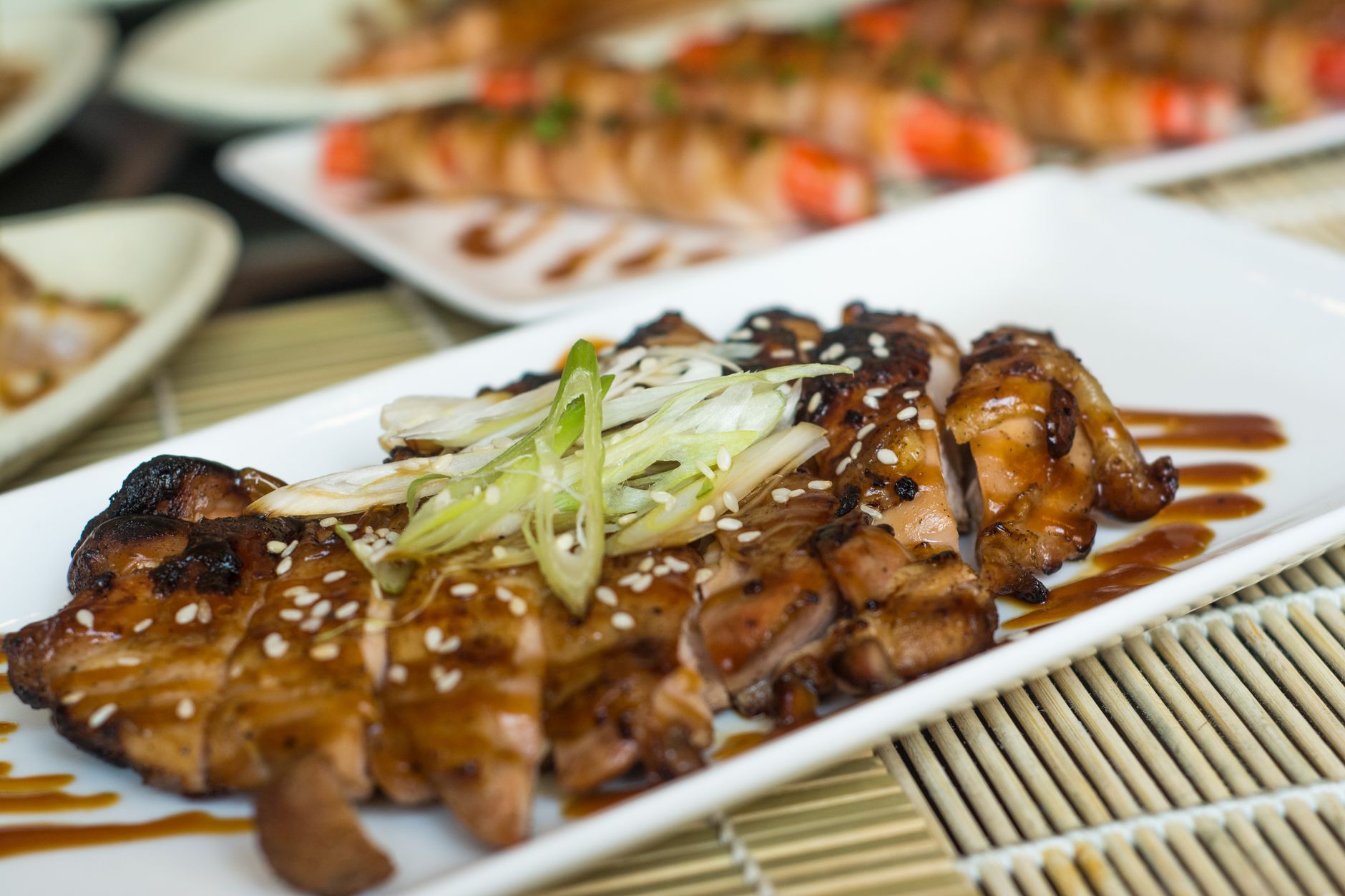
Teriyaki sauce is a popular condiment and marinade known for its sweet and savory flavor profile, often used in Japanese cuisine. As versatile as it is delicious, it can be used on various proteins, vegetables, and in stir-fries. Given its widespread use, a common question arises regarding its acidity.
When exploring whether teriyaki sauce is acidic, several factors come into play, including the ingredients and their respective proportions. This article will delve into the acidity of teriyaki sauce, its culinary uses, serving suggestions, and much more.
Is Teriyaki Sauce Acidic?
Teriyaki sauce can be considered mildly acidic due to the presence of ingredients like vinegar and soy sauce. However, its primary flavor profile is sweet and savory, which can overshadow any acidity. Understanding its acidity helps when pairing it with other foods and determining its role in different dishes.
Teriyaki Sauce Composition
To fully grasp the acidity of teriyaki sauce, it’s vital to analyze its primary components:
- Soy Sauce: The base of most teriyaki sauces, soy sauce is fermented, contributing to its umami flavor rather than notable acidity.
- Sugar: Often in the form of granulated sugar or honey, sugar adds sweetness that balances the overall flavor, masking any slight acidity.
- Vinegar: Rice vinegar is commonly used, which has a light acidity. This ingredient adds tanginess, contributing to the sauce’s overall balance.
- Mirin: A sweet rice wine used in Japanese cooking, mirin also brings sweetness and a subtle complexity to the flavor.
- Garlic and Ginger: Freshly grated garlic and ginger may provide aromatic notes but do not significantly affect acidity.
Understanding Acidity in Ingredients
Acidity is an important concept in cooking, as it affects flavor, preservation, and even the physical changes in food. Here’s how the main ingredients contribute to the acidity of teriyaki sauce:
- Soy Sauce: While soy sauce has some acidity due to fermentative processes, it typically registers between 5.2 and 5.5 on the pH scale, which isn’t highly acidic.
- Vinegar: With a pH typically around 2.4 to 3.4, rice vinegar contributes a noticeable acidic note to teriyaki sauce, but it is balanced by the sweetness of sugar.
- Mirin: This has a slightly higher alcohol content and lower acidity (around pH 4 to 5), which means it doesn’t significantly contribute to tartness.
Culinary Uses of Teriyaki Sauce
Teriyaki sauce is a versatile ingredient and can be used in many culinary applications:
- Marinade: It is often used as a marinade for meats, especially chicken and beef, enhancing flavor and tenderizing the protein.
- Glaze: Teriyaki sauce can be brushed onto grilled or baked foods for a shiny, flavorful finish.
- Stir-Fry: Incorporating teriyaki sauce into stir-fry dishes adds depth and a cohesive flavor to the entire dish.
- Dipping Sauce: It can be served as a dipping sauce for appetizers like spring rolls or chicken skewers.
- Dressing: Mixed with additional ingredients, teriyaki sauce can become a unique salad dressing.
Serving Suggestions for Teriyaki Sauce
Pairing teriyaki sauce correctly can elevate your meal. Here are some serving ideas:
- With Grilled Meats: Serve teriyaki-glazed grilled chicken or beef alongside steamed rice and sautéed vegetables.
- As a Dip: Use teriyaki sauce as a dip for tempura vegetables or grilled shrimp.
- In Sushis or Rolls: Add a drizzle of teriyaki over sushi rolls or use it as a marinade for grilled eel.
- With Stir-Fried Vegetables: Toss blanched vegetables in teriyaki sauce for a quick, flavorful side dish.
How to Use Teriyaki Sauce Perfectly
To maximize the flavor and effectiveness of teriyaki sauce in your recipes, consider the following tips:
- Marinating Time: For proteins, marinate for at least 30 minutes, but no longer than 24 hours to prevent excess saltiness.
- Heat Control: Cook over medium heat to avoid burning the sugars in the sauce, which can create bitterness.
- Add at the Right Time: In stir-fries, add teriyaki sauce towards the end of cooking to retain its flavor and quality.
Popular Variations of Teriyaki Sauce
Many cooks experiment with teriyaki sauce recipes, resulting in diverse variations:
- Spicy Teriyaki Sauce: Incorporate chili paste or sriracha for a kick, great for those who love heat.
- Sesame Teriyaki Sauce: Add toasted sesame oil or sesame seeds for a nutty flavor, enhancing the depth of the sauce.
- Low-Sodium Teriyaki Sauce: Use low-sodium soy sauce for a healthier alternative without sacrificing flavor.
Common Misconceptions About Teriyaki Sauce
There are a few common myths surrounding teriyaki sauce; understanding these can help you utilize this ingredient better:
- It’s Only for Asian Dishes: In reality, teriyaki sauce can complement a wide range of global cuisines, from barbecue to grilled fish.
- High in Sugar: While it does contain sugar, the balance of flavors means you don’t need to use a lot for great results.
- It’s Just Sweet: Teriyaki sauce has a complex flavor due to its umami, sweetness, and slight acidity from vinegar.
Homemade Teriyaki Sauce Recipe
If you prefer to make your own teriyaki sauce, here is a simple recipe:
Yield: About 1 cup
Preparation Time: 5 minutes
Cooking Time: 10 minutes
Total Time: 15 minutes
Ingredients:
- 1/2 cup soy sauce
- 1/4 cup brown sugar
- 1/4 cup rice vinegar
- 2 tablespoons mirin
- 1 clove garlic, minced
- 1 teaspoon fresh ginger, minced
- 1 tablespoon cornstarch mixed with 2 tablespoons water (optional for thickness)
Essential Equipment:
- Saucepan
- Whisk
- Measuring cups and spoons
Instructions:
- Combine soy sauce, brown sugar, rice vinegar, mirin, garlic, and ginger in the saucepan.
- Heat the mixture over medium heat, stirring until the sugar dissolves.
- Bring to a simmer, then stir in the cornstarch mixture if desired for a thicker sauce.
- Let simmer for a few minutes until slightly thickened; remove from heat.
- Cool and store in an airtight container in the refrigerator for up to a week.
Common Mistakes When Using Teriyaki Sauce
A few common pitfalls can arise when cooking with teriyaki sauce:
- Over-Marinating: Leaving meat in the marinade for too long can lead to overly salty flavors.
- Using Excess Sauce: Using too much can overwhelm the dish. Aim for balance.
- Cooking at High Heat: High temperatures can burn the sugars in the sauce, leading to an unpleasant taste.
Storage and Reheating of Teriyaki Sauce
Proper storage extends the life of your teriyaki sauce:
- Store in an airtight container in the refrigerator for up to one week.
- For long-term storage, freeze the sauce in small portions, keeping it viable for several months.
- Reheat on the stove over low heat, stirring occasionally until warmed.
Conclusion
In summary, while teriyaki sauce does possess a mild acidity due to its ingredients, its overall profile leans more towards sweetness and savoriness. With its numerous culinary applications, serving suggestions, and adaptability, teriyaki sauce can enhance a variety of dishes. Whether as a marinade, dip, or glaze, its flavorful qualities make it a staple in many kitchens.
Now that you’re equipped with insights about teriyaki sauce, consider experimenting with various recipes or creating your homemade version to enjoy its delightful taste. You can also check out a delicious teriyaki jerky recipe or learn how to make hibachi sauce for added culinary inspiration.