
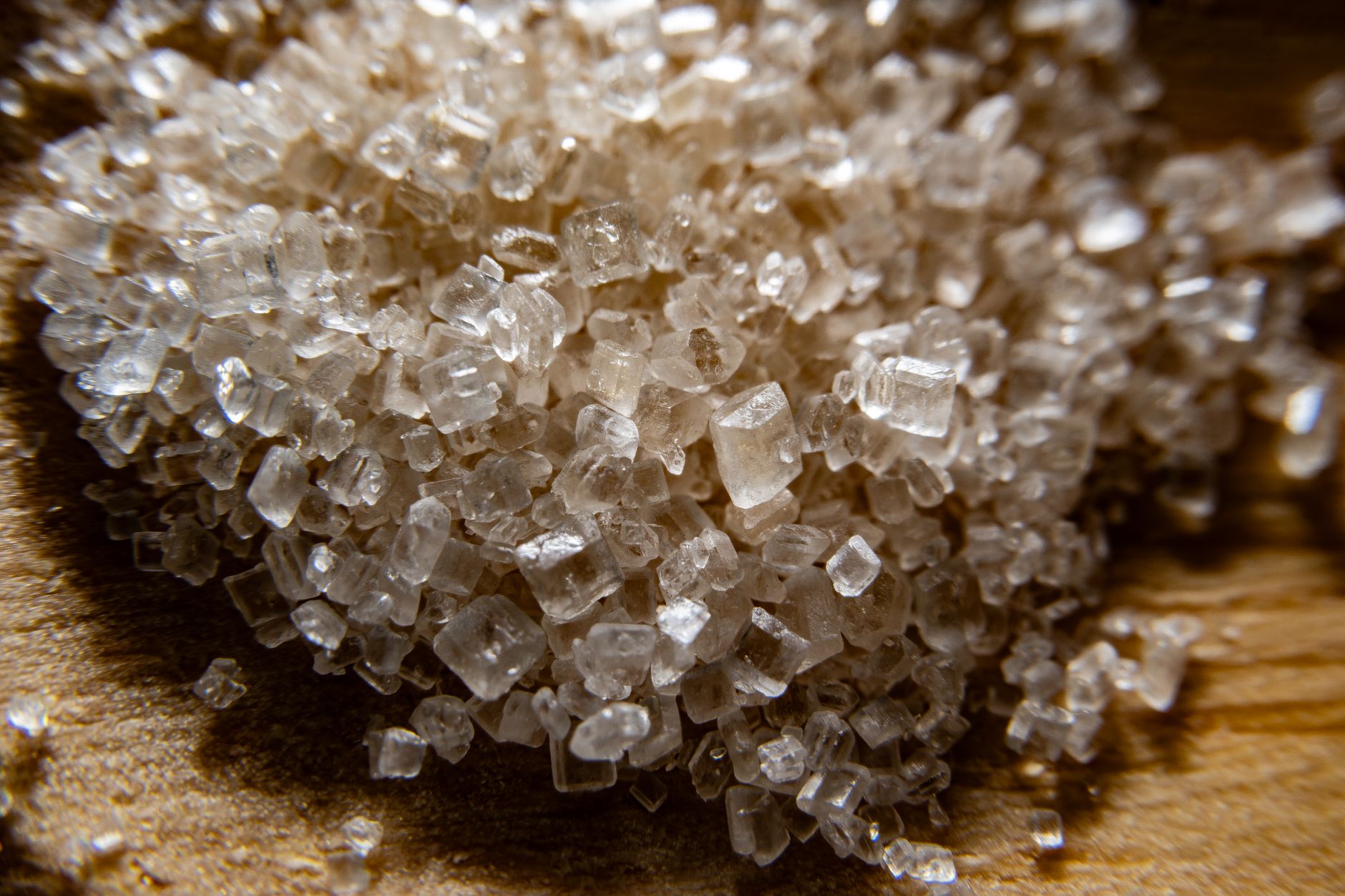
Sugar in the Raw, also known as raw sugar or turbinado sugar, often claims to be a healthier alternative to granulated white sugar. This article delves into the differences, potential health benefits, risks, and culinary applications of Sugar in the Raw, helping you make informed decisions about your sweetening choices.
In examining whether Sugar in the Raw is better for you, we’ll look at its nutritional profile, how it compares to other sugars, and how best to use it in your kitchen. Whether you’re looking to sweeten your morning coffee or incorporate it into baked goods, understanding these factors will guide you toward healthier habits.
Is Sugar in the Raw Better for You?
Sugar in the Raw is often marketed as a more natural, less processed alternative to refined sugar. While it has some advantages, it is essential to evaluate whether these benefits truly make it a healthier choice overall.
Nutritional Profile of Sugar in the Raw
Raw sugar is less processed than white sugar, retaining some of the natural molasses from the sugarcane. This gives it a characteristic golden color and mild caramel flavor. Here’s a breakdown of its nutritional profile:
- Calories: Approximately 15 calories per teaspoon
- Carbohydrates: 4 grams
- Fat: 0 grams
- Protein: 0 grams
- Minerals: Small amounts of calcium, potassium, and iron
While Sugar in the Raw does contain trace minerals, the amounts are minimal and unlikely to make a significant nutritional impact. Therefore, if you’re watching your calorie intake or managing blood sugar, the differences between raw and refined sugar may not be substantial enough to sway your choices.
Health Risks Associated with Sugar Consumption
Whether you choose Sugar in the Raw or white sugar, excessive consumption poses similar health risks. Here are some concerns associated with high sugar intake:
- Weight Gain: High sugar consumption is linked to obesity due to excess caloric intake.
- Blood Sugar Spikes: Sugary foods can cause rapid increases in blood sugar levels, which may contribute to insulin resistance over time.
- Dental Issues: Sugar consumption can lead to tooth decay and other dental problems.
- Chronic Diseases: Excessive sugar intake is associated with an increased risk of chronic conditions such as heart disease and type 2 diabetes.
To maintain good health, it is crucial to moderate your sugar intake, regardless of the type of sugar you choose to use.
How Sugar in the Raw Compares to Other Sugars
Here’s a comparison between Sugar in the Raw and common sugar types:
Granulated White Sugar
Granulated white sugar undergoes extensive processing and refining. It lacks the molasses content that gives Sugar in the Raw its flavor and color. While both contain similar calorie counts and carbohydrate contents, the choice often boils down to flavor preference rather than health.
Brown Sugar
Brown sugar is essentially granulated sugar mixed with molasses, giving it a stronger flavor and a slightly higher mineral content. Nutritionally, it’s similar to white sugar, but the added molasses may provide a minimal amount of nutrients.
Coconut Sugar
Coconut sugar is derived from the sap of coconut palm trees. It is less refined and has a lower glycemic index compared to regular sugar. However, it still contains high amounts of fructose, which can lead to health risks if consumed excessively.
Stevia and Other Natural Sweeteners
Natural sweeteners like Stevia, monk fruit, and agave syrup offer alternatives with different taste profiles and varying health benefits. They typically contain fewer calories and a lower glycemic index than traditional sugars, making them appealing for those managing sugar intake.
Best Uses for Sugar in the Raw
Given its unique flavor, Sugar in the Raw works exceptionally well in various culinary applications. Here are some popular uses:
Baking
When used in baking, Sugar in the Raw can add a slight caramel flavor and a crunchy texture to cookies and cakes. However, substituting it directly for white sugar may yield a denser product. Consider using it in recipes that benefit from a more robust flavor, such as:
- Chocolate chip cookies
- Gingerbread
- Crumb toppings for pies or crumbles
Sweetening Beverages
Use Sugar in the Raw to sweeten your coffee, tea, or cocktails. Its larger granules dissolve slower than fine sugar, potentially providing a gradual sweetness. For more pronounced flavor, consider:
- Putting it in iced beverages
- Rimmed for cocktails
- In homemade lemonade
In Sauces and Marinades
The slight caramelization of Sugar in the Raw enhances savory dishes. Use it in:
- Barbecue sauces
- Marinades for meats
- Dressings for salads
Practical Tips for Using Sugar in the Raw
Substitutions
If you’re looking to substitute Sugar in the Raw for other sugar types, here are some practical tips:
- For white sugar: Use a 1:1 ratio, but be aware it may alter the texture slightly.
- For brown sugar: Substitute using a 1:1 ratio, but the flavor may vary slightly due to lesser molasses content.
- To replace powdered sugar: Use less, as the texture will not be as fine; blend it in a food processor if a powdery consistency is desired.
Common Mistakes to Avoid
While using Sugar in the Raw does not typically require special techniques, a few common mistakes should be avoided:
- Using too much: Overindulging can lead to similar health issues as with other sugars.
- Incorrect storage: Keep your sugar in an airtight container to prevent clumping.
- Inappropriate substitutions: Avoid 1:1 substitutions without considering moisture content, especially in baking.
Make-Ahead and Storage Guidance
Proper storage of Sugar in the Raw helps maintain its quality. Keep it stored in a cool, dry place, ideally in an airtight container. This prevents moisture absorption, which can cause it to clump. Generally, raw sugar has an indefinite shelf life if stored correctly.
The Bottom Line
While Sugar in the Raw may have distinct flavor and texture benefits, it is vital to consider the overall health implications of sugar consumption. The key takeaway is that moderation is crucial, regardless of the type of sugar you choose to use. Making conscious choices about sweeteners is a small but significant step toward healthier eating.
To enhance your culinary expertise and explore alternative sweetening options, consider checking out recipes like chia pudding with coconut milk or learning how to make brown sugar syrup. Each of these can be a delightful way to experiment with flavors and refine your cooking skills while maintaining healthier eating habits.