
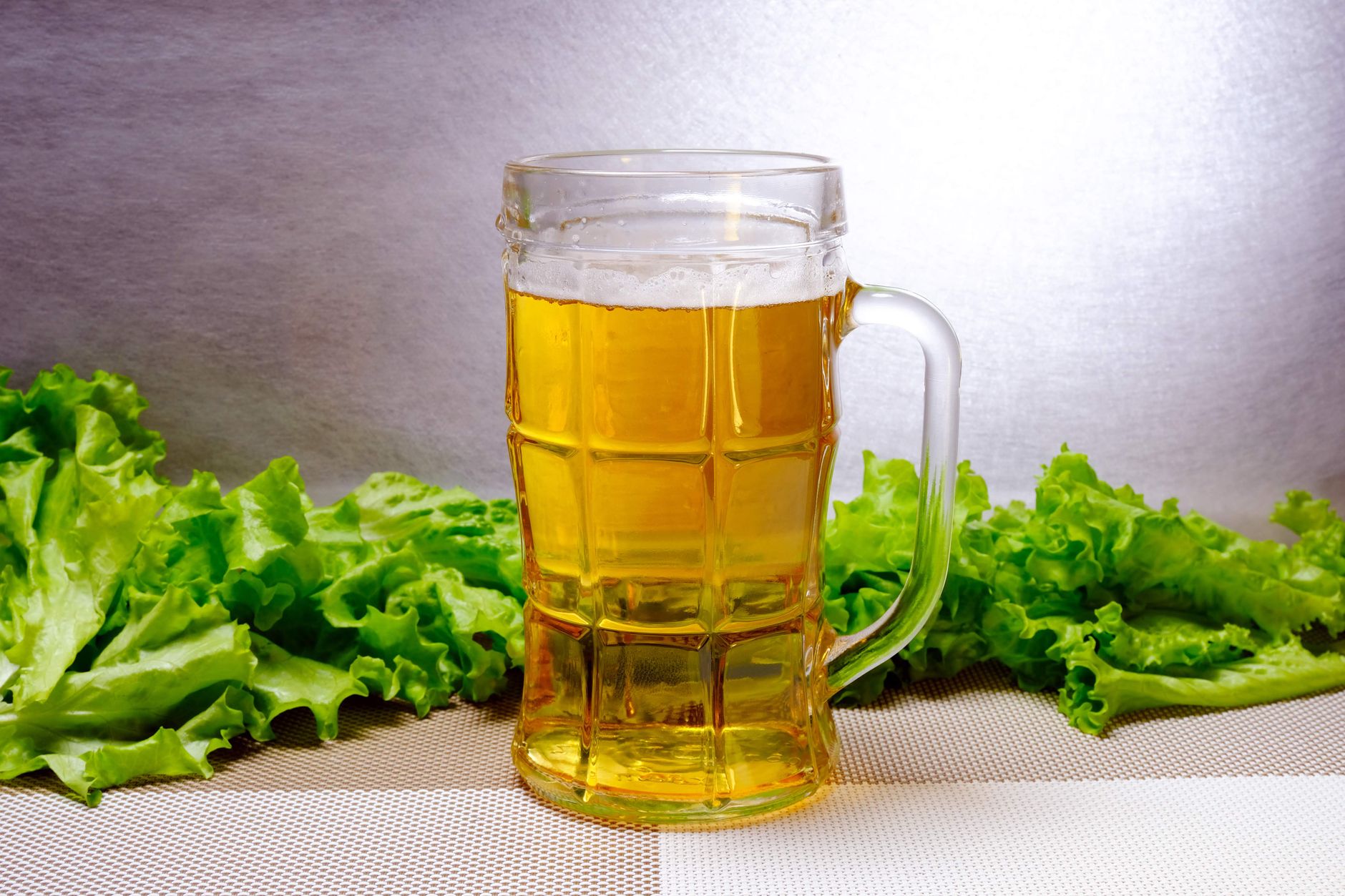
Understanding the ingredients in beer is essential for anyone who enjoys this popular beverage. One common question that arises is whether beer contains wheat. The answer is that it depends on the type of beer being brewed.
While many beers are traditionally made with barley, there are also wheat-based beers that bring a distinct flavor and texture. This article will explore the various types of beer, the role of wheat in brewing, alternative ingredients, and even some practical kitchen uses for beer. Let’s dive into the world of beer and wheat!
Does Beer Have Wheat?
Some beers contain wheat, while others do not. Wheat is a key ingredient in certain styles of beer, such as wheat beers, but many traditional varieties, especially lagers and ales, are primarily made from barley. Wheat adds a unique flavor and helps enhance the beer’s mouthfeel and appearance.
Understanding Beer Ingredients
Beer is typically made from four primary ingredients: water, malted grains, hops, and yeast. The type of malted grains used is what can determine whether or not a beer has wheat.
Components of Beer
- Water: The main ingredient that makes up the bulk of beer serves as a solvent for the other ingredients.
- Malted Grains: This usually consists of barley but can include wheat, corn, rice, and rye. The malt imparts flavor and color.
- Hops: These flowers add bitterness to balance the sweetness of the malt and contribute to the aroma and flavor profile of the beer.
- Yeast: This microorganism ferments the sugars from the malt, producing alcohol and carbonation.
The Role of Wheat in Beer Brewing
Wheat in beer brewing is primarily used to create a smoother, creamier mouthfeel, as well as to enhance the beer’s head (the frothy foam that forms on top). It has a unique flavor profile that is often described as light, crisp, and refreshing.
Wheat Beer Styles
There are several styles of beer that use wheat as a primary ingredient. Below are some of the most common types:
- Hefeweizen: A traditional German wheat beer, known for its fruity and spicy flavors, often with banana and clove notes.
- Witbier: A Belgian-style white beer brewed with a mix of wheat and malted barley, often spiced with coriander and orange peel.
- American Wheat Beer: A lighter and more approachable version compared to traditional styles, often has a milder flavor.
- Berliner Weisse: A low-alcohol sour wheat beer, known for its tartness and often served with syrup for sweetness.
Alternative Grains and Gluten-Free Options
For those who are sensitive to gluten or have celiac disease, it’s important to know that many beers containing wheat are not suitable for consumption. However, there are gluten-free alternatives available:
- Gluten-Free Grains: Beers can be made from gluten-free grains like rice, corn, millet, and sorghum.
- Gluten-Reduced Beers: Some beers are made with traditional grains but are treated to remove gluten, although cross-contamination is still a risk.
Popular Gluten-Free Beer Brands
- Omission Brewing Co: Offers gluten-removed beers that appeal to those with gluten sensitivities.
- New Belgium Brewing: Their Gluten-Free Ale uses sorghum while maintaining traditional beer flavors.
- Two Brothers Brewing: Known for their gluten-free craft beer options, ensuring variety in flavor.
Flavor Considerations
Wheat brings unique flavor dimensions to beer that can impact its overall profile. Here’s how the inclusion of wheat and other grains can affect the taste:
Flavor Characteristics of Wheat Beers
Wheat beers tend to be lighter in color and possess a hazy appearance. They are often characterized by:
- Fruity esters, such as banana and apple.
- Spicy phenolics, notably in German wheat beers.
- A smooth, creamy mouthfeel due to protein content in wheat.
- A somewhat cloudy appearance caused by yeast and proteins.
Cooking and Kitchen Uses for Beer
Beyond being enjoyed in a glass, beer can play a versatile role in cooking. Understanding the flavors of different beers, including those with wheat, allows for creative incorporation into various dishes.
Using Beer in Cooking
- Marinades: The acidity in beer can help tenderize meat, making it a great addition to marinades.
- Deglazing: Use beer as a flavorful liquid when deglazing pans to create rich sauces.
- Baking: Beer, particularly wheat beer, can be used in bread recipes to create a delightful rise and unique flavor.
- Cooking Grains: Substitute water or broth with beer to cook grains like rice or quinoa for added depth of flavor.
Sample Beer-Based Recipes
Incorporating beer into your cooking can elevate everyday dishes. Here are some practical recipes featuring a variety of beer styles:
Beer-Braised Chicken
This hearty dish uses beer as a braising liquid to infuse the chicken with flavor.
- Ingredients:
- 4 chicken thighs, skin-on
- 1 can (12 oz) wheat beer
- 2 cloves garlic, minced
- 1 onion, chopped
- 1 tbsp olive oil
- Salt and pepper to taste
- In a large skillet, heat the olive oil over medium-high heat.
- Season the chicken with salt and pepper, then add to the skillet, cooking until browned on both sides.
- Add onion and garlic, cooking until softened.
- Pour in the wheat beer, bringing it to a simmer.
- Cover the skillet and reduce heat, allowing to braise for about 30 minutes.
- Serve with the pan sauce spooned over the chicken.
Beer-Battered Fish Tacos
These delicious fish tacos are enhanced with a crispy beer batter, perfect for frying.
- Ingredients:
- 1 lb firm white fish (cod or haddock)
- 1 cup all-purpose flour
- 1 cup wheat beer
- 1 tsp paprika
- Salt and pepper to taste
- Tortillas and toppings (cabbage, salsa, etc.)
- Heat oil in a frying pan over medium-high heat.
- In a bowl, mix flour, beer, paprika, salt, and pepper until smooth.
- Dip fish into the batter and carefully place in the hot oil.
- Fry until golden brown, approximately 4-5 minutes per side.
- Serve in tortillas with desired toppings.
Common Mistakes and Troubleshooting
When cooking with beer, it’s essential to avoid common pitfalls to achieve the best flavor and texture in your dishes.
- Using Low-Quality Beer: Always use a beer that you enjoy drinking; its quality will affect the dish.
- Overcooking: Be cautious with cooking times, as the alcohol should remain while imparting flavor.
- Not Adjusting Seasoning: The flavor profile of the beer can alter the seasoning required; taste and adjust accordingly.
Storage and Reheating of Beer and Beer-Infused Dishes
Proper storage of both beer and beer-infused dishes is crucial to maintaining quality.
Beer Storage
Store unopened beer in a cool, dark place. Once opened, it’s best consumed within a day or two for optimal flavor.
Storing Dishes with Beer
Leftover dishes made with beer can be stored in airtight containers in the refrigerator for 3-4 days. Reheat gently to avoid altering the texture of the dish.
Conducting Tastings and Pairings
Exploring beer flavors through tastings can also enhance your culinary experience. When pairing beer with food:
- Consider the dominant flavors in the beer and aim to complement, not overpower, them.
- Wheat beers pair well with lighter dishes such as salads, seafood, and chicken, creating a refreshing balance.
- Use contrasting flavors to create interest, such as spicy foods with sweet wheat beers.
In summary, the relationship between beer and wheat varies based on the beer style, with wheat lending unique flavors and textures to different brews. Whether you’re interested in indulging in a refreshing wheat beer or using it creatively in your cooking, understanding its role can enrich your appreciation of this age-old beverage. As you explore beer in the kitchen, consider trying out various cooking methods, experimenting with flavor pairings, and enjoying the experience of tasting.
Consider exploring more related recipes and cooking tips like our Beer Can Chicken Recipe or the Gluten-Free Waffle Recipe for some delicious inspiration!