
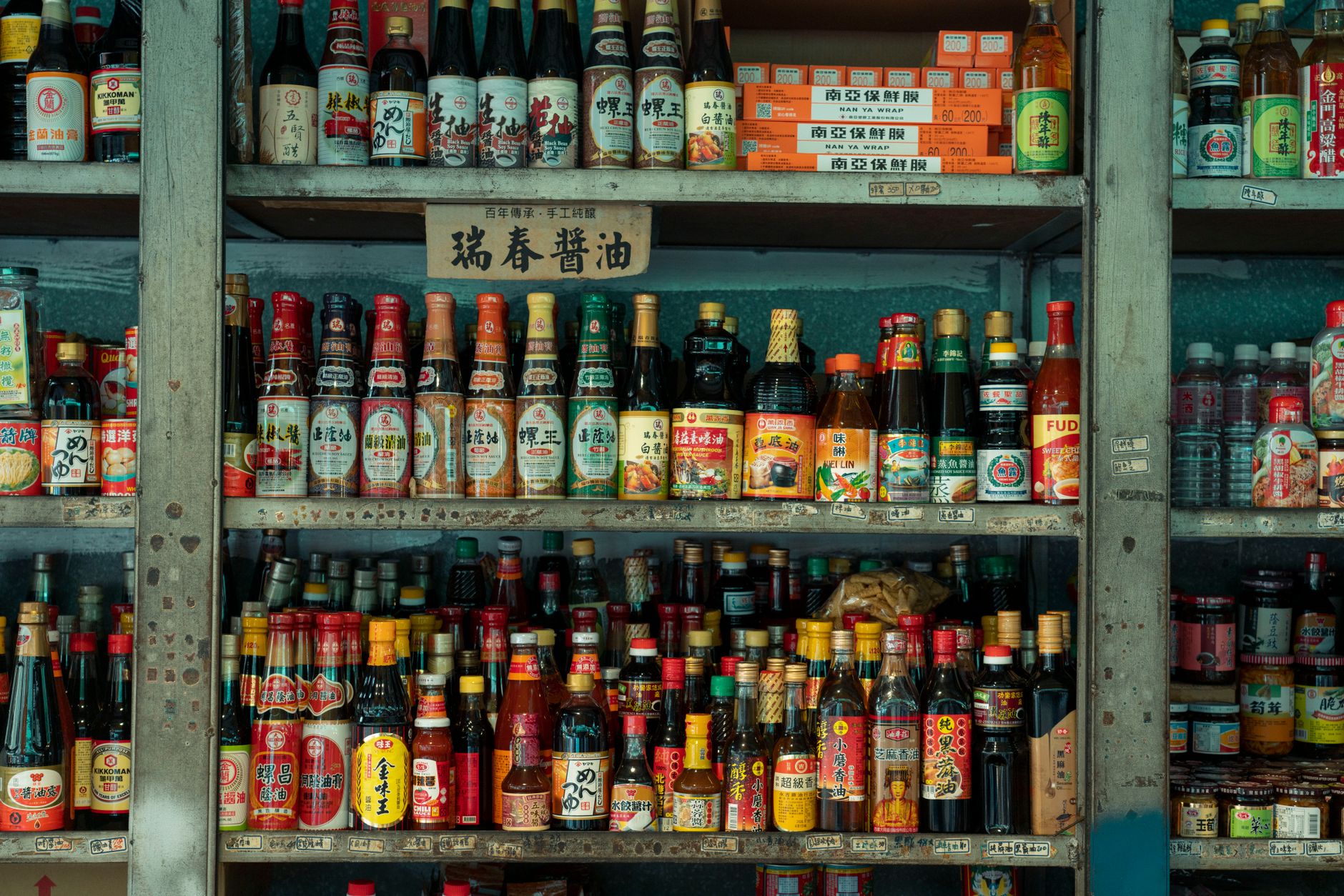
Soy sauce is a widely used condiment known for its rich umami flavor, making it a popular addition in many cuisines. However, for those adhering to vegetarian or vegan diets, questions about the ingredient’s suitability frequently arise. This article will explore whether soy sauce is vegetarian-friendly by examining its ingredients and what plant-based alternatives may be used.
Understanding the composition of soy sauce is crucial for anyone wanting to know if it aligns with their dietary preferences. By evaluating what goes into making soy sauce, we can uncover whether it holds any animal-derived components and provide useful tips on plant-based substitutes.
Is Soy Sauce Vegetarian?
Yes, traditional soy sauce is generally considered vegetarian. The primary ingredients are soybeans, wheat, salt, and water, none of which contain animal products. However, it’s essential to check labels, as some variations or brands may use fish products or other animal-derived additives.
The Ingredients of Soy Sauce
To grasp the vegetarian aspect of soy sauce, it’s vital to break down its key components:
- Soybeans: The main ingredient, providing a rich source of umami flavor.
- Wheat: Often included in traditional varieties, adding depth to the taste.
- Salt: Essential for flavor and preservation.
- Water: Used in the fermentation and brewing process.
- Fermentation Cultures: These may include specific microorganisms that assist in developing flavor. Generally plant-based, though some brands may experiment with additional ingredients.
Potential Non-Vegetarian Ingredients
While traditional soy sauce remains vegetarian-friendly, certain variations may contain non-vegetarian elements:
- Fish Sauce: Occasionally, specially brewed sauces may include fish extract for added flavor, transforming what is usually a vegetarian option into a non-vegetarian one. Common in some Asian recipes, always verify ingredient labels.
- Caramel Color: Sometimes used for coloring, it can occasionally contain animal derivatives in certain processing methods.
How Soy Sauce is Made
The production of soy sauce involves a process called fermentation, which plays a crucial role in developing its distinct taste. Understanding this process may elucidate why soy sauce is predominantly vegetarian.
Fermentation Explained
- Preparation: Soybeans are soaked and cooked, then mixed with roasted wheat.
- Inoculation: The mix is inoculated with molds, typically from the genus Aspergillus, to start the fermentation process.
- Fermentation: The mixture undergoes fermentation for several months, where enzymes break down proteins and carbohydrates into amino acids and sugars.
- Pressing: The fermented mixture is then pressed to extract the liquid soy sauce.
- Pasteurization: Finally, it is heated to stop fermentation and improve shelf life.
Cooking with Soy Sauce
When incorporating soy sauce into your cooking, keep in mind its flavor profile. Soy sauce can add depth, saltiness, and umami to various dishes. Here are some handy tips for using soy sauce:
- Marinades: Combine soy sauce with garlic, ginger, and sesame oil for a savory marinade perfect for tofu or vegetables.
- Stir-fries: A splash of soy sauce adds instant flavor when tossed with vegetables and a protein of choice.
- Dipping Sauce: Mix soy sauce with rice vinegar and a bit of sugar for a delightful dipping sauce for spring rolls or dumplings.
Plant-Based Alternatives to Soy Sauce
If you’re vegan or just want to explore other flavors, there are several plant-based alternatives to soy sauce that maintain a similar taste profile:
- Liquid Aminos: Made from soybeans but usually processed differently, they offer a similar umami taste without additional preservatives.
- Coconut Aminos: A soy-free alternative made from coconut sap and sea salt, it offers a slightly sweeter flavor and is popular among those looking for gluten-free options.
- Homemade Soy Sauce Substitute: Combine equal parts of balsamic vinegar and water, adding a touch of salt for an improvised sauce.
How to Choose Soy Sauce Products
Not all soy sauce is created equal, so here are some tips for choosing vegetarian-friendly soy sauce products:
- Check the Ingredients: Always read labels for non-vegetarian additives like fish sauce or anything derived from animal products.
- Look for Certified Vegan Labels: Several brands produce verified vegan soy sauces, ensuring no animal products are involved.
- Explore Regional Varieties: Some styles of soy sauce, like Tamari, are often gluten-free and made without wheat, appealing to multiple dietary needs.
Common Mistakes When Using Soy Sauce
Using soy sauce might seem straightforward, but there are common pitfalls to avoid to make the most of this ingredient:
- Using Too Much: Soy sauce is quite salty, so it’s best introduced in moderation to avoid overpowering a dish.
- Not Balancing Flavors: If you use soy sauce, consider balancing it with sweet, sour, or spicy elements for a harmonious profile.
- Ignoring Quality: Higher quality soy sauces have more complex flavors, so choose better brands when possible, especially for dressings and finishing dishes.
Storing Soy Sauce
Storing soy sauce properly helps maintain its flavor and quality:
- Sealed Containers: Keep the soy sauce in a tightly sealed container to prevent contamination and flavor degradation.
- Cool, Dark Place: Store in a cool, dark pantry. After opening, refrigeration can help prolong its freshness.
- Avoid Sunlight: Exposure to light can alter the flavor profile, so store away from direct sunlight.
Conclusion
In summary, soy sauce is generally vegetarian and can be a delicious addition to many dishes. Understanding the production and ingredients can help ensure that it aligns with dietary preferences. If you’re looking for alternatives, options like liquid aminos and coconut aminos offer plant-based choices without sacrificing taste.
Next time you reach for soy sauce, remember to explore its many uses and consider trying different varieties or substitutes to suit your palette.
For more insights into ingredients, check out our guides on how soy sauce is made and explore alternatives with our article on what to substitute for Worcestershire sauce.