
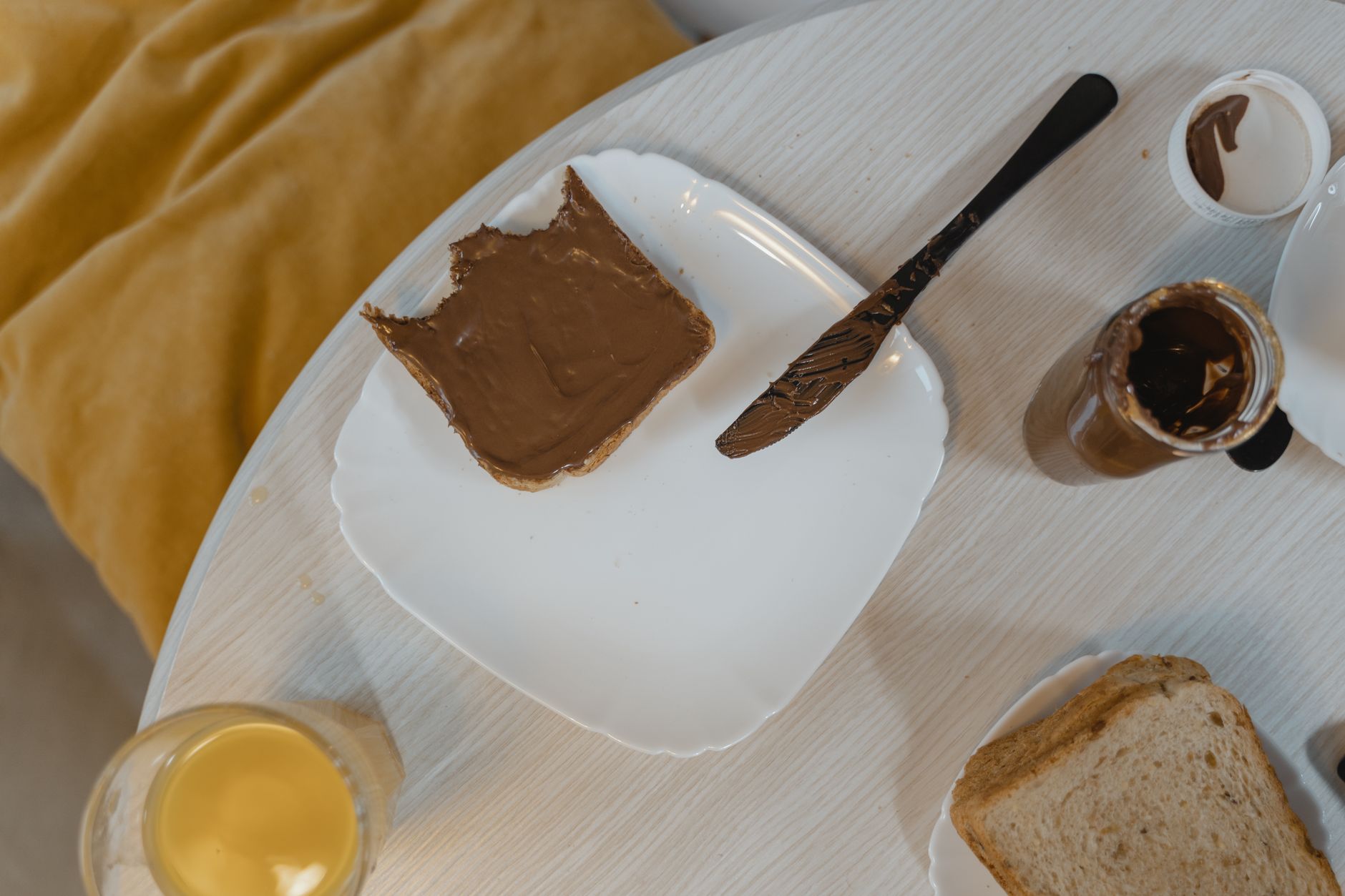
Smart Balance is a popular brand of margarine and spreads marketed as a healthier alternative to traditional butter. It claims to provide the taste and cooking versatility of butter while offering benefits such as lower saturated fat content and being cholesterol-free. As more consumers consider their health and nutrition, the question arises: Is Smart Balance truly healthy?
This article will explore the nutritional profile of Smart Balance, its ingredients, potential health benefits and drawbacks, and considerations for using it in your diet. By the end, you’ll have a clearer understanding of whether Smart Balance fits into a healthy eating plan.
Is Smart Balance Healthy?
Smart Balance can be considered healthier than some alternatives, particularly butter, due to lower saturated fat content and the absence of cholesterol. However, its healthfulness depends on individual dietary needs and overall lifestyle.
Nutritional Composition of Smart Balance
Understanding Smart Balance requires examining its nutritional facts, especially the primary ingredients that form the basis of its composition.
1. Types of Smart Balance Products
Smart Balance offers a range of products, including spreadable butters, margarine, and baking sticks. Common product variations include Smart Balance Original, Smart Balance Light, Smart Balance Omega-3 with Flaxseed, and others. Each product has a slightly different nutritional profile, tailored for various uses.
2. Key Ingredients and Their Benefits
- Vegetable Oils: Smart Balance primarily uses a blend of vegetable oils, including canola, palm, and olive oils. These are generally lower in saturated fat and can provide more heart-healthy unsaturated fats compared to butter.
- Flaxseed Oil: Some Smart Balance products include flaxseed oil, which is rich in omega-3 fatty acids, known for anti-inflammatory properties.
- Vitamins: Many Smart Balance spreads are fortified with vitamins A and D, enhancing their nutritional value.
3. Calories and Macronutrients
Typically, a one tablespoon serving of Smart Balance contains approximately:
- Calories: 80-100
- Total Fat: 9g
- Saturated Fat: 2g
- Trans Fat: 0g
- Cholesterol: 0mg
- Sodium: 0-100mg
The lower saturated fat content makes it a favorable option for those monitoring their fat intake, particularly saturated fat, which is linked to heart disease when consumed in excess.
Potential Health Benefits of Smart Balance
Smart Balance touts several potential health benefits, part of what has made it a popular choice for health-conscious consumers.
1. Heart Health
Research suggests that diets low in saturated fat may help reduce the risk of cardiovascular disease. Because Smart Balance contains unsaturated fats from vegetable oils, substituting it for butter might contribute to better heart health.
2. No Cholesterol
Unlike butter, which contains dietary cholesterol, Smart Balance is cholesterol-free. This characteristic appeals to individuals managing cholesterol levels or following heart-healthy diets.
3. Omega-3 Fatty Acids
With added flaxseed oil in some products, Smart Balance can be a source of omega-3 fatty acids, which have been associated with reduced inflammation and improved heart health.
Considerations and Potential Drawbacks
While Smart Balance has its advantages, there are also considerations to keep in mind when incorporating it into your diet.
1. Processed Ingredients
Smart Balance products are processed spreads. They often contain emulsifiers and other additives to maintain texture and stability, which might concern those following a whole-foods-focused diet. Some consumers prefer more natural fats like butter or pure olive oil.
2. Caloric Content
Although Smart Balance is lower in saturated fat, it is still energy-dense. Portion control is essential, as excessive consumption can lead to increased calorie intake, which is crucial for those managing weight.
3. Individual Dietary Needs
Not everyone’s dietary requirements are the same. For some individuals, the blend of oils in Smart Balance might not align with their specific dietary needs, such as those on a ketogenic or low-fat diet.
How to Use Smart Balance in Cooking and Baking
Smart Balance is versatile and can be used similarly to butter in various culinary applications. Here are practical tips on how to incorporate it into your cooking and baking.
1. Cooking
You can use Smart Balance for sautéing vegetables, frying eggs, or in pasta dishes. It provides a similar flavor profile to butter with the added benefit of lower saturated fat. Just think about keeping the heat low or medium to prevent breaking down the oil.
2. Baking
Smart Balance can replace butter in most baking recipes, making cookies, cakes, and pastries lighter. However, be aware that since it has less water than butter, it may slightly alter the texture of your baked goods. Most recipes that call for butter can accommodate a straight substitution, but adding a tablespoon or two of water can maintain moisture.
3. Spreading
Smart Balance spreads easily on toast or muffins, providing a buttery flavor without the saturated fat. You can mix it with herbs or spices to create flavored spreads that enhance your breakfast or snack.
Practical Substitutions
If you’re considering alternatives to Smart Balance or want to switch it up in your kitchen, here are some practical substitutions.
1. Olive Oil
Use extra virgin olive oil in place of Smart Balance for sautéing or drizzling over dishes. It offers healthy monounsaturated fats and antioxidants.
2. Coconut Oil
Coconut oil can be a suitable alternative when baking, as it solidifies at room temperature, similar to Smart Balance. However, it has a distinct coconut flavor that might alter the taste of your dish.
3. Avocado
Pureed avocado can be used in baking to replace fat, adding creaminess and a nutrient boost, particularly in dense baked goods like brownies.
Common Mistakes When Using Smart Balance
Here are tips to avoid common pitfalls when using Smart Balance in your cooking and baking.
1. Not Measuring Correctly
When replacing butter with Smart Balance, it’s essential to measure accurately to ensure the right balance of fat content and moisture. A tablespoon difference can significantly impact the outcome of a recipe.
2. Ignoring Temperature Considerations
Using Smart Balance straight from the fridge can lead to difficulties in mixing, especially in baking. Let it sit at room temperature for a while to ensure it softens well.
3. Overusing
Even though it offers some health benefits, overusing Smart Balance in your meals can counteract any positive effects. Monitor portion sizes, especially since it’s still calorically dense.
Conclusion
Smart Balance presents a lower saturated fat alternative to butter while providing benefits such as cholesterol-free options and sources of omega-3 fatty acids. However, as it is a processed product, personal dietary needs should guide its use. Ultimately, whether Smart Balance is considered healthy will depend on individual lifestyle, dietary preferences, and how it fits into an overall balanced diet.
For alternative cooking ideas, consider exploring options like butter chicken recipes or check out our take on mayonnaise and its health impacts for a broad view of healthy cooking practices.