
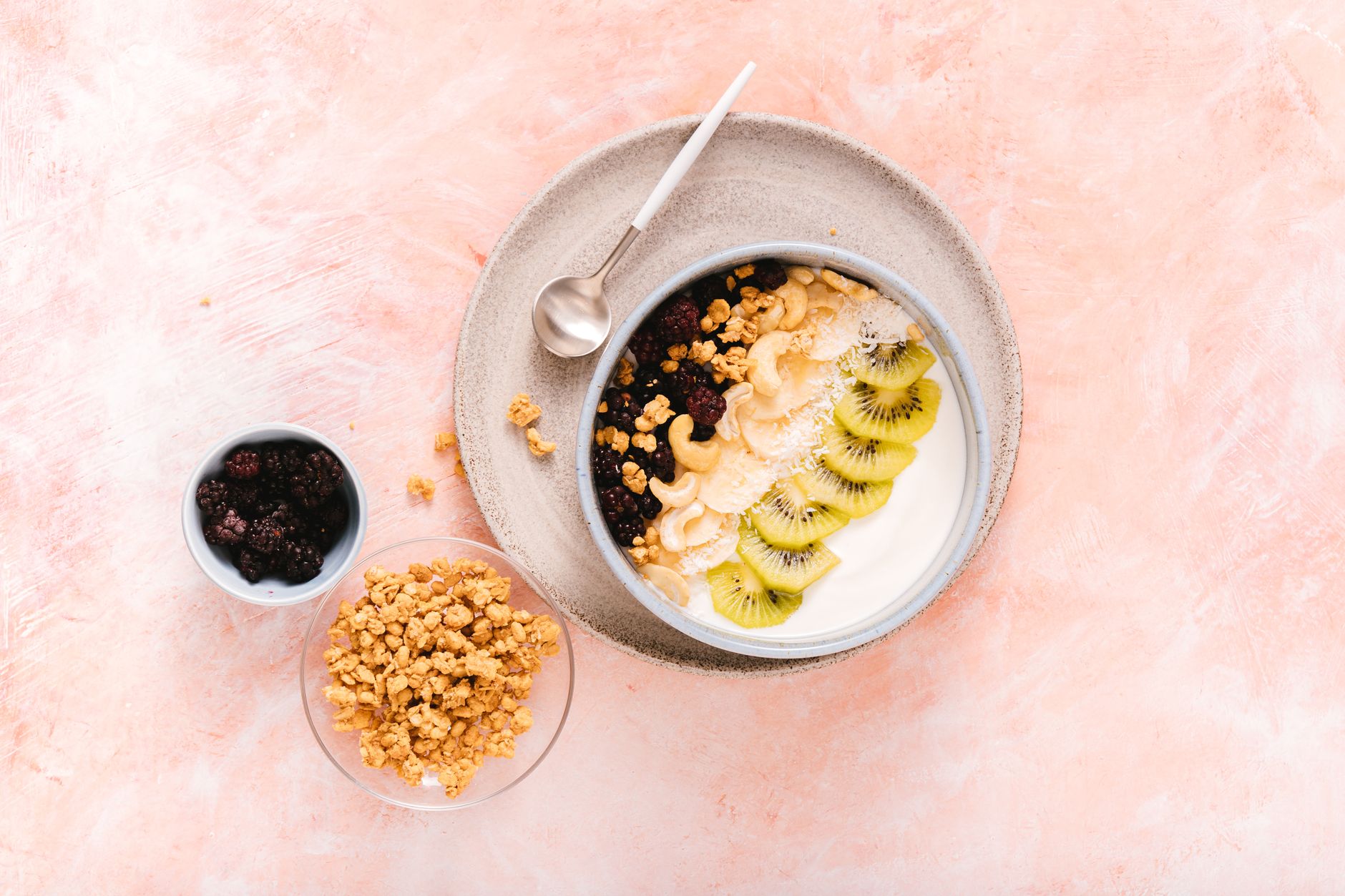
Skyr yogurt is a traditional Icelandic dairy product known for its thick, creamy texture and high protein content. With its mild flavor and versatile nature, skyr can be enjoyed on its own or used as a base for various recipes. Whether you’re looking for a satisfying breakfast option, a healthy snack, or a unique ingredient for your culinary creations, skyr offers numerous possibilities.
In this article, we’ll explore the ingredients that make up skyr yogurt, its flavor profile, nutritional benefits, and creative ways to serve it. Read on to discover how to incorporate this delectable yogurt into your meals.
What Is Skyr Yogurt?
Skyr yogurt is a cultured dairy product, similar to yogurt but thicker and creamier, originating from Iceland. It is made from skim milk and contains live active cultures, which are beneficial for gut health.
The process of making skyr involves straining the yogurt to remove whey, resulting in a denser product. Skyr traditionally has a mild, slightly tangy flavor, making it a popular alternative to regular yogurt.
Ingredients in Skyr Yogurt
The primary ingredients of skyr yogurt include:
- Skim Milk: The main ingredient, which provides the yogurt with its creamy texture and nutritional profile.
- Live Active Cultures: These include specific bacterial strains such as Streptococcus thermophilus and Lactobacillus bulgaricus, which ferment the milk and give skyr its unique flavor.
- Rennet (optional): Some traditional recipes may include rennet, which helps in coagulating the milk.
Some brands may add flavorings, sweeteners, or fruit purees to their skyr yogurt options, diversifying the taste and textures available on the market.
Nutritional Profile
Skyr yogurt is praised for its nutritional benefits, making it a popular choice among health-conscious consumers. It is:
- High in protein: Skyr can contain up to 20 grams of protein per 6-ounce serving, making it an excellent source for those looking to increase their protein intake.
- Low in fat: Traditional skyr is made from skim milk, resulting in a low-fat product that is ideal for weight management.
- Rich in probiotics: The live active cultures promote digestive health and may support the immune system.
- Low in sugar: Unsweetened options are often available, making it a great choice for reducing sugar intake.
Flavor Profile of Skyr Yogurt
Skyr yogurt has a smooth and thick texture, which is often compared to that of cream cheese or sour cream. Its flavor is mild and slightly tart, more neutral compared to traditional yogurt. This makes skyr particularly versatile as it pairs well with both sweet and savory ingredients.
How Does Skyr Compare to Regular Yogurt?
While both skyr and regular yogurt are dairy products made through fermentation, there are key differences:
- Texture: Skyr is significantly thicker due to the straining process that removes liquid whey, while regular yogurt tends to have a creamier texture.
- Protein Content: Skyr contains more protein than regular yogurt, making it a preferred option for those aiming for higher protein intake.
- Fat Content: Skyr is typically made from skim milk, whereas regular yogurt can be found in whole milk, low-fat, and fat-free varieties.
How to Serve Skyr Yogurt
Skyr yogurt’s versatility allows it to be consumed in various ways, making it suitable for breakfast, lunch, dinner, or dessert. Here are some popular serving ideas:
Breakfast Options
- Skyr Parfait: Layer skyr with your choice of granola, nuts, and seasonal fruits in a glass for an appealing breakfast option.
- Fruit and Nut Bowl: Top skyr with fresh fruits like berries, sliced bananas, and a sprinkle of seeds or nuts for added crunch and nutrients.
- Pancakes or Waffles: Use skyr as an alternative to sour cream or whipped cream on pancakes and waffles, adding a healthy twist to the classic breakfast dishes.
Snacks and Light Meals
- Skyr Dip: Blend skyr with fresh herbs, garlic, and lemon juice to create a healthy dip for vegetables or crackers.
- Smoothies: Use skyr as a base for smoothies by blending it with fruits and vegetables for a nutritious beverage.
- Cheese Substitute: Use skyr in savory dishes instead of cream cheese or sour cream for a lighter option, such as in pasta dishes and dressings.
Dessert Ideas
- Skyr with Honey and Nuts: Drizzle skyr with honey and sprinkle with chopped nuts or seeds for a healthy dessert option.
- Frozen Skyr Bites: Mix skyr with fruits and freeze in molds for a refreshing and healthy snack.
- Skyr Cheesecake: Incorporate skyr in your cheesecake recipes as a filling for a lighter version of traditional cheesecake.
Storing Skyr Yogurt
Skyr yogurt should be stored in the refrigerator to maintain its freshness and quality. Here are some tips for storing skyr:
- Keep it sealed tightly in its original container or transfer it to an airtight container after opening.
- Check the expiration date on the packaging and use it within that period for optimal flavor and texture.
- Once opened, skyr can typically last for about 1 to 2 weeks when stored properly in the refrigerator.
Common Mistakes to Avoid
When preparing or using skyr yogurt, there are a few common pitfalls to avoid:
- Skipping Straining: If you are making skyr from scratch, ensure you strain it adequately to achieve the desired thick texture. Not straining enough can lead to a thinner product.
- Using Too Much Sweetener: Given skyr’s natural mild sweetness, it’s easy to over-sweeten. Start with smaller quantities when adding toppings or mixed ingredients.
- Improper Storage: Be mindful of storage conditions to avoid spoilage. Avoid leaving it at room temperature for extended periods.
Making Your Own Skyr Yogurt
If you’re interested in making skyr at home, it can be a rewarding process. Below is a step-by-step method to create your own batch:
Ingredients Needed:
- 1 quart of skim milk
- 2 tablespoons of raw skyr or plain yogurt with live cultures
Equipment Needed:
- Heavy saucepan
- Thermometer
- Whisk
- Creamy strainer or cheesebag
- Container for storage
Step-by-Step Method:
- Heat the Milk: In a heavy saucepan, gradually heat the skim milk over medium heat until it reaches approximately 185°F. Stir gently to prevent scorching.
- Cool the Milk: Remove the saucepan from heat and allow the milk to cool to about 110°F. Use a thermometer to ensure accuracy.
- Add Cultures: Whisk in the raw skyr or yogurt until fully blended.
- Incubate: Pour the mixture into a container and cover it with a lid or cloth. Place it in a warm area (approximately 110°F) for 6–12 hours to develop the cultures.
- Strain the Yogurt: Once the mixture has thickened to your liking, strain it through a mesh strainer or cheesecloth to remove excess whey.
- Chill and Store: Transfer the strained skyr to a container and refrigerate it for at least 2 hours before serving.
Practical Substitutions for Skyr Yogurt
If you can’t find skyr yogurt in stores, there are several substitutes you can try without compromising the recipe or dish:
- Greek Yogurt: This is the closest alternative, given its thick consistency and high protein content. Use the same quantity as skyr in recipes.
- Cottage Cheese: Blend cottage cheese until smooth for a similar texture; this is especially useful in savory applications.
- Ricotta Cheese: While it’s not as thick, ricotta can provide a creamy texture, particularly in desserts.
When substituting, keep in mind that flavor and texture may vary slightly based on the ingredient used.
Conclusion
Skyr yogurt is not only a delicious addition to your diet but also a versatile ingredient for a range of dishes. With its thick texture and high nutritional value, it serves as a robust base for a variety of meals. Whether enjoyed as a snack, breakfast, or dessert, skyr is sure to satisfy.
Explore further with our options for experimenting with chia pudding and the soaking time for seeds to elevate your culinary creations. Discover our chia pudding recipe and learn how long to soak chia seeds for optimal results.