
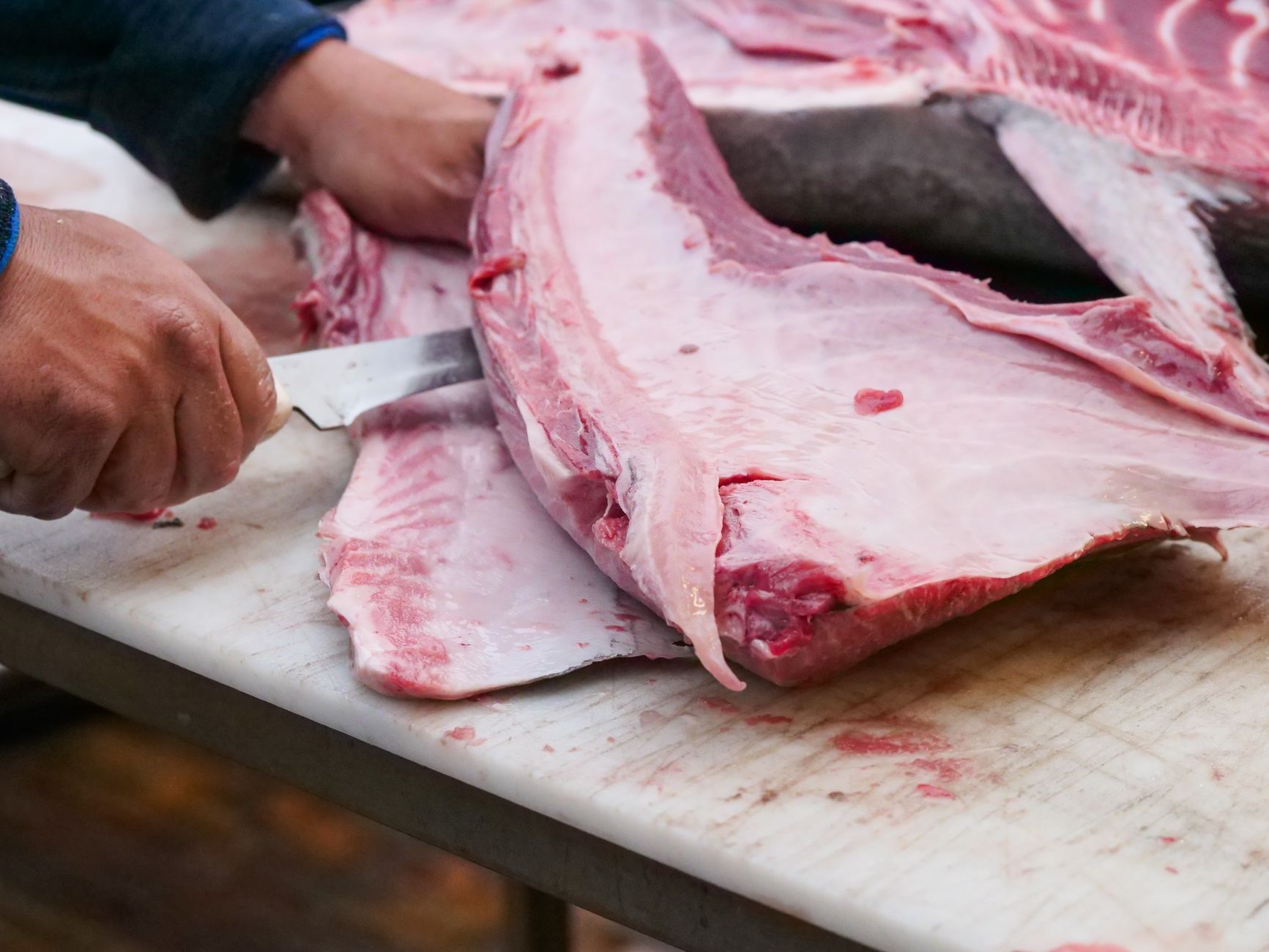
Skipjack tuna is a popular fish in many kitchens around the world, often found in dishes like sushi, canned goods, and seared preparations. However, with increasing concerns about marine sustainability, many cooks and consumers are asking: is skipjack tuna sustainable? This article delves into the sustainable practices surrounding skipjack tuna, exploring its environmental impact, best sourcing options, culinary uses, and safe preparation methods.
Understanding the sustainability of skipjack tuna is crucial for those who cherish seafood and are mindful of the planet. This discussion will equip you with useful information to make informed choices when you see skipjack tuna at the market or on a restaurant menu.
Is Skipjack Tuna Sustainable?
Skipjack tuna, known scientifically as Katsuwonus pelamis, is considered one of the more sustainable fish options compared to other tuna species. This assessment is largely due to its relatively fast growth rate, reliable population levels, and responsible fishing practices that meet sustainability criteria. However, sustainability can vary based on fishing methods and geographical factors, so sourcing responsibly is key.
Environmental Impact of Skipjack Tuna Fishing
The fishing of skipjack tuna is less harmful to ocean ecosystems compared to other tuna types like bluefin or yellowfin. Here’s how:
- Growth and Reproduction: Skipjack tuna mature quickly, reaching reproductive age in about 1 to 2 years, which allows populations to recover more quickly.
- Population Status: Current assessments classify skipjack tuna as a species of least concern; this means that their population is relatively stable and not facing immediate risk of overfishing.
- Sustainable Fishing Practices: Methods such as pole-and-line fishing and purse seine fishing with fish aggregating devices (FADs) can reduce bycatch and minimize impacts on non-target species.
Best Sourcing Practices for Skipjack Tuna
Choosing sustainable skipjack tuna involves understanding where and how it was caught. Here are practices to follow when sourcing:
Look for Certifications
Certifications from recognized organizations can guide consumers to sustainable seafood options:
- Marine Stewardship Council (MSC): This label indicates that the fishery meets strict sustainability criteria.
- Friend of the Sea: This certification emphasizes environmentally responsible fishing practices.
Purchase from Responsible Fishers
Support fisheries that implement eco-friendly practices. Research brands and markets to find those committed to sustainability.
Consider Regional Differences
Understand that the sustainability of skipjack tuna may differ based on the region. For example:
- Western and Central Pacific: This area generally employs sustainable fishing practices, making the skipjack populations more stable.
- Indian Ocean: Some regions may face challenges like overfishing, so be cautious and check MSC certification.
Culinary Uses of Skipjack Tuna
Skipjack tuna is versatile and can be used in many culinary applications. Here are some popular ways to enjoy this fish:
Canned Skipjack Tuna
Canned skipjack tuna is a pantry staple, available in both oil and water-packed varieties. It’s ideal for quick meal preparations such as:
- Tuna Salad: Combine canned tuna with mayonnaise, celery, and onion for a classic sandwich filling.
- Tuna Pasta: Toss canned tuna with olive oil, garlic, and pasta for a simple, filling meal.
Fresh Skipjack Tuna
Fresh skipjack tuna is often used in more elaborate dishes, like:
- Sushi and Sashimi: Its rich flavor and firm texture make it perfect for raw preparations.
- Grilled or Seared: Cook fresh fillets over high heat for a deeply flavorful dish, often complemented by marinades or sauces.
Safe Preparation and Cooking Techniques
When preparing skipjack tuna, consider safety and proper cooking techniques:
Purchasing Fresh Skipjack Tuna
When buying fresh skipjack tuna, look for:
- A bright red color, indicating freshness.
- A clean, ocean-like smell without any off odors.
- Firm flesh that doesn’t separate easily when pressed.
Safe Cooking Temperatures
If you are cooking fresh skipjack tuna, it’s essential to cook it to a recommended internal temperature:
- Cook whole fish or fillets to an internal temperature of at least 130°F (54°C) for medium-rare. For more thorough cooking, aim for 145°F (63°C).
- Use a food thermometer to accurately gauge doneness, ensuring that harmful bacteria are destroyed.
Serving Suggestions
Fresh skipjack tuna can be served in various ways, such as:
- Seared with a simple seasoning of salt and pepper and drizzled with a soy-based sauce.
- Tossed in a salad with light vinaigrette and mixed greens.
Practical Tips for Using Skipjack Tuna
Here are some additional tips to keep in mind when working with skipjack tuna:
Substitutions and Variations
If skipjack tuna is unavailable, consider using other sustainable fish options such as:
- Pole-and-Line Caught Albacore Tuna: A good substitute with a similar flavor profile.
- Fresh Mackerel: Offers a comparable oily texture and taste.
- Other Light Tuna Varieties: Ensure they are sustainably sourced.
Avoid Common Mistakes
While working with skipjack tuna, avoid these pitfalls:
- Overcooking: Tuna can dry out quickly if overcooked; cooking it to medium-rare retains moisture.
- Using Low-Quality Tuna: When using canned options, ensure they are packed in quality oil or water without preservatives.
Make-Ahead Options
Skipjack tuna dishes can be prepped in advance, making them ideal for meal prep:
- Prepare tuna salads and store them in the refrigerator for up to two days.
- Marinate fresh tuna fillets and store them, ready to be grilled or seared.
Storage and Reheating Guidance
Proper food safety considerations should be observed when it comes to storing and reheating:
- Fresh Tuna: Store in the refrigerator at a temperature below 40°F (4°C) and consume within 1-2 days of purchase.
- Canned Tuna: Once opened, refrigerate unused portions in a sealed container and consume within 3-4 days.
Conclusion and Next Steps
Skipjack tuna, when sourced responsibly, offers a sustainable seafood option that balances culinary enjoyment with environmental mindfulness. By understanding the best practices for sustainable fishing, proper preparation techniques, and safe cooking methods, you can enjoy this versatile fish while supporting marine conservation efforts.
For some delicious ways to enjoy tuna, check out our seared ahi tuna recipe and try making a flavorful tuna burger recipe. Happy cooking!