
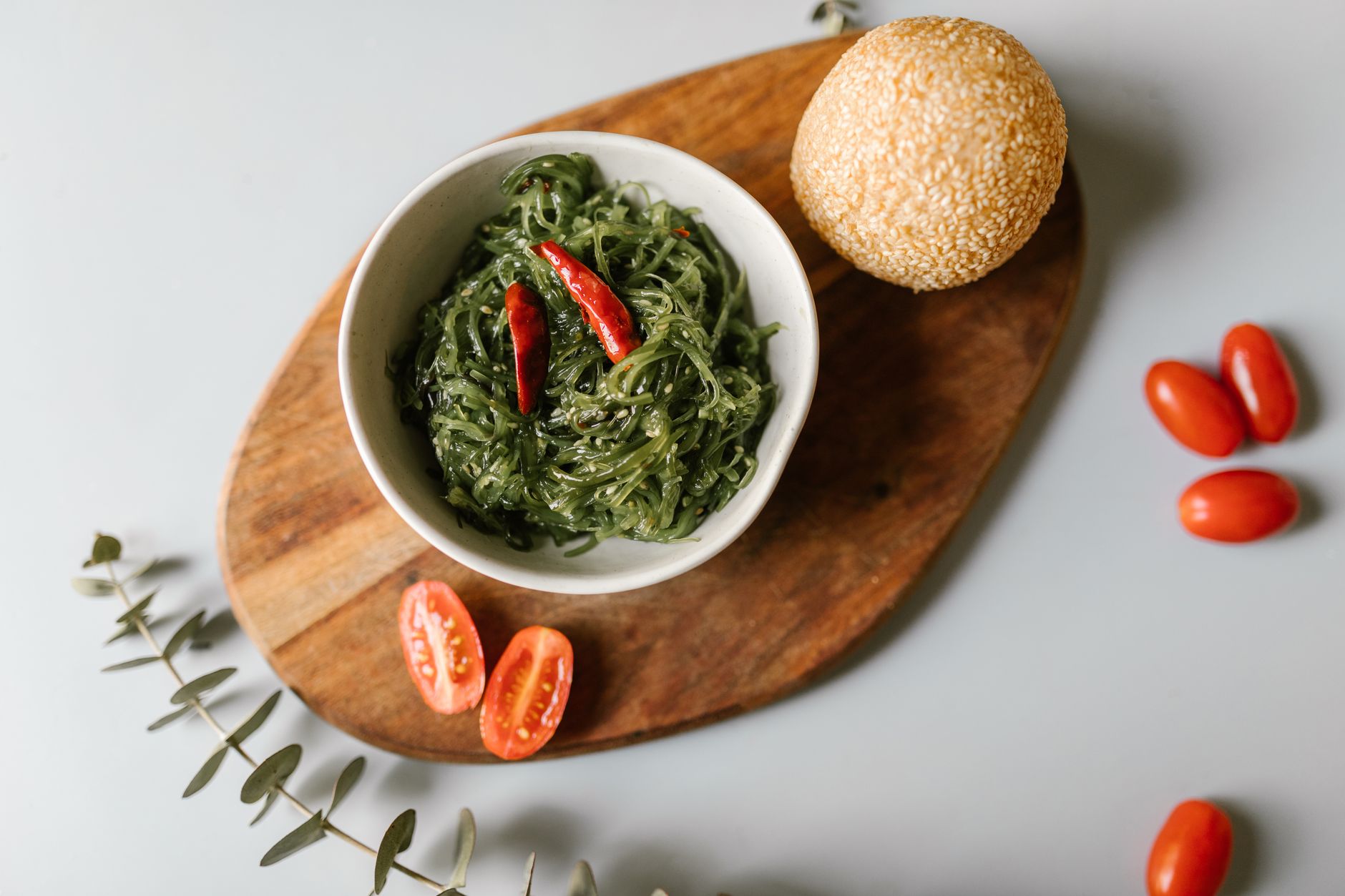
Seaweed is a highly nutritious food that has been enjoyed in various cuisines, particularly in Asia, for centuries. As the ketogenic (keto) diet gains popularity for its low-carb, high-fat approach, many people wonder if seaweed fits into this dietary pattern. This article explores the nutritional profile of seaweed, serving sizes, meal ideas, and its compatibility with a keto lifestyle.
Seaweed comes in various types, including nori, kombu, dulse, and wakame, each offering unique flavors and textures. Let’s take a closer look at whether seaweed is keto-friendly and how it can be incorporated into everyday meals.
Is Seaweed Keto?
Yes, seaweed is considered keto-friendly! Most types of seaweed are low in carbohydrates, providing a nutrient-dense option for those following a keto diet. For instance, a serving of dried nori typically contains less than 5 grams of total carbohydrates, making it an excellent addition to low-carb meals without significantly impacting daily carb intake.
Nutritional Profile of Seaweed
Seaweed is not only low in carbs but also rich in vitamins and minerals that are beneficial for overall health. Here’s an overview of the nutritional composition across several popular types of seaweed:
- Nori: Commonly used in sushi. One sheet (about 3 grams) contains approximately 1 gram of carbohydrates, 1 gram of protein, and 0.5 grams of fat. It’s also rich in vitamin A, vitamin B12, and iodine.
- Kombu: Often used in broths and soups. A 10-gram serving contains about 2 grams of carbohydrates, along with potassium, magnesium, and calcium.
- Dulse: Typically consumed as a snack or seasoning. A 10-gram serving has roughly 6 grams of carbohydrates, with significant amounts of iron, potassium, and fiber.
- Wakame: Commonly added to salads and soups. A 10-gram serving has about 3 grams of carbohydrates, providing calcium and magnesium.
Vitamins and Minerals
Seaweed provides various essential nutrients, including:
- Iodine: Supports thyroid function.
- Calcium: Essential for bone health.
- Magnesium: Important for muscle and nerve function.
- Iron: Key for red blood cell production.
- B Vitamins: Vital for energy metabolism.
Health Benefits
Including seaweed in your diet can offer multiple health benefits:
- Rich in Antioxidants: Seaweed contains antioxidants that help protect against cellular damage.
- Gut Health: The fiber in seaweed promotes a healthy digestive system.
- Weight Management: Low in calories, seaweed can aid in weight management efforts.
Portion Sizes and Calories
When incorporating seaweed into a keto meal plan, keeping portion sizes in mind is essential. While seaweed is low in calories, consuming it in moderation ensures that you maintain a balanced approach. Typical serving sizes include:
- Nori: 1-2 sheets per serving, often as a roll with fillings.
- Kombu: 10-20 grams added to broth or soup.
- Dulse: 10 grams as a seasoning or snack.
- Wakame: 10-15 grams in salads or soups.
Meal Ideas with Seaweed
Seaweed can be easily incorporated into various meals, adding both flavor and nutrients while keeping the carbohydrate count low. Here are some practical meal ideas:
1. Sushi Rolls with Nori
Using nori sheets, you can create delicious sushi rolls filled with ingredients like avocado, cucumber, and cream cheese. For a keto twist, consider adding cooked shrimp or crab for protein.
2. Seaweed Salad
A fresh salad made with rehydrated wakame, sesame oil, soy sauce, and sesame seeds. It’s a refreshing side dish that pairs well with grilled meats.
3. Kombu Broth
Kombu can be simmered in water to create a savory broth. Use this broth as a base for soups or stews, adding low-carb vegetables and protein sources like tofu or grilled chicken.
4. Dulse Snacks
Dulse can be enjoyed as a crunchy snack. Simply bake or pan-fry strips until crispy, seasoning with your favorite spices for enhanced flavor.
5. Seaweed Chips
Make your own low-carb chips by brushing nori sheets with olive oil, sprinkling salt, and baking until crispy. These are a perfect alternative to traditional chips.
Cooking Techniques with Seaweed
Cooking with seaweed may differ from traditional ingredients. Here are some techniques to enhance your culinary experience with seaweed:
Rehydrating Dried Seaweed
Dried seaweed, such as wakame or dulse, usually requires rehydration. To do this:
- Place the dried seaweed in a bowl.
- Cover it with warm water and let it sit for about 10-15 minutes.
- Once rehydrated, drain and use as directed in your recipe.
Using Seaweed as a Wrap
Nori sheets can be used for wrapping sushi, but they can also be creative substitutes in other dishes. To use nori as a wrap:
- Lay a sheet of nori on a clean surface.
- Add your desired fillings along one edge (cucumber, avocado, protein).
- Carefully roll the nori, tucking it tightly around the fillings.
- Slice into bite-sized pieces and serve.
Adding to Soups and Dishes
Kombu can enhance the flavors of soups and stews. Here’s how to do it effectively:
- Add a piece of kombu to your pot of broth or water.
- Simmer for about 20-30 minutes to infuse the flavor.
- Remove the kombu before serving. It can be discarded or chopped and added to the dish if desired.
Making Seaweed Part of Your Regular Diet
Integrating seaweed into your diet can be an exciting venture. Here are some tips on how to seamlessly make seaweed a regular part of your meals:
- Experiment with Different Types: Don’t limit yourself to one type of seaweed; try kombu, dulse, and wakame to add variety and flavors.
- Explore Recipes: Look for recipes that highlight seaweed to discover new cooking techniques and flavor combinations.
- Snack Smarter: Replace your traditional snacks with seaweed chips or dulse for a healthy crunch.
Common Mistakes to Avoid with Seaweed
While cooking with seaweed can be straightforward, there are common pitfalls to avoid:
- Overcooking: Overcooked seaweed can become mushy. Use gentle heat and monitor cooking times closely.
- Too Much Salt: Seaweed can be naturally salty. Adjust added salt in recipes accordingly to avoid overwhelming flavors.
- Neglecting to Soak: Dried seaweed often needs rehydration before use. Skipping this step can affect the texture and flavor.
Storage and Reheating Tips
Proper storage of seaweed is essential for maintaining its freshness and flavor.
Storing Dried Seaweed
Dried seaweed should be kept in a cool, dry place in an airtight container. This will help preserve its crispness and prevent moisture from affecting its quality.
Refrigerating Prepared Seaweed Dishes
If you’ve prepared a dish containing seaweed, such as a salad, store it in the refrigerator in a sealed container for up to three days. Be mindful that the texture of the seaweed may change slightly upon refrigeration.
Conclusion
Seaweed is a delicious and nutritious food that fits beautifully into a keto diet, offering a wealth of vitamins and minerals along with low carbohydrate content. By experimenting with different types of seaweed and incorporating them into various meals, you can enjoy the health benefits while keeping your keto lifestyle on track. Start adding seaweed to your dishes today for a culinary boost!
Explore more ideas with recipes like chia pudding or indulge in a tasty keto banana bread to complement your meals!