
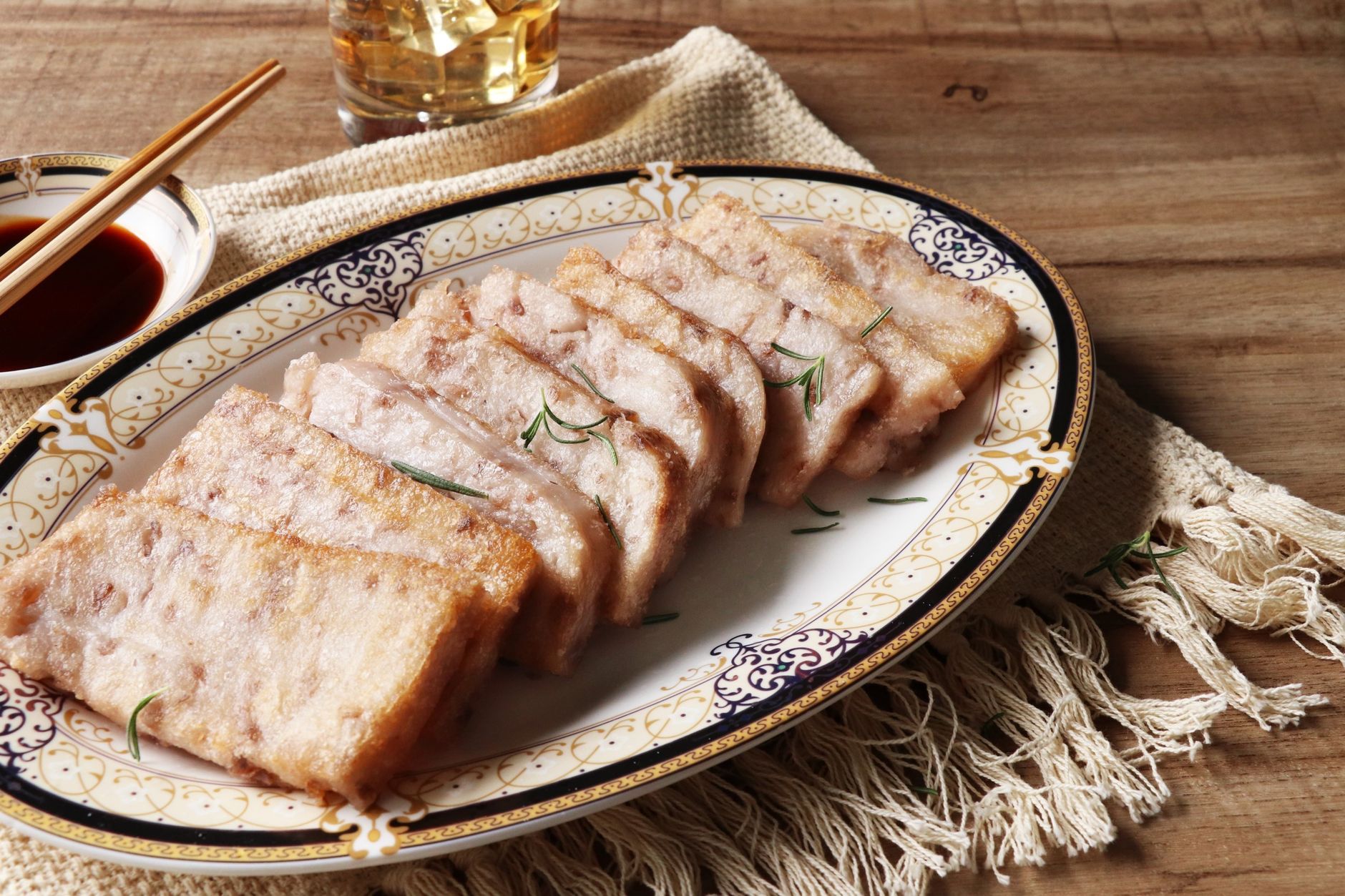
Poi is a traditional Hawaiian staple that has been enjoyed for generations. Made primarily from taro root, it has a unique texture and flavor that can be quite different from many other starchy sides. While the preparation can require some effort, the result is a flavorful and versatile dish that can complement various meals.
In this article, we will explore what poi is made from, how it’s made, its flavors and textures, and its uses in the kitchen. Whether you’re interested in trying your hand at making poi or simply want to understand more about this traditional dish, we have you covered.
What Is Poi Made From?
Poi is made primarily from taro root, a starchy tuber that is rich in nutrients and has been cultivated in Hawaii for centuries. The taro root is cooked, pounded, and thinned with water to create a smooth, pasty consistency. This smooth texture is what makes poi unique and appealing to many. Depending on the degree of dilution with water, the final consistency of poi can range from thick and sticky to a thinner, more fluid state.
Understanding Taro Root
Taro (Colocasia esculenta) is the main ingredient in poi. It is a tropical plant grown in warm, moist conditions and has been a significant food source for various cultures around the world. Here’s a closer look at taro and why it’s so essential to poi.
Flavor Profile
Taro has a mild, nutty flavor with earthy undertones. When cooked and pounded into poi, it takes on a creamy texture, often compared to that of mashed potatoes or hummus. The flavor of poi can vary depending on the variety of taro used and the preparation method, making it adaptable to different palates.
Nutritional Benefits
Taro root is highly nutritious; it’s an excellent source of fiber, vitamins, and minerals, including vitamin C, vitamin E, potassium, and magnesium. It is naturally gluten-free and can be a valuable carbohydrate source for those on gluten-restricted diets. However, it is essential to note that raw taro should never be consumed as it contains calcium oxalate, which can be toxic in its raw form.
How Is Poi Made?
Making poi is a labor-intensive process that requires some care and attention. Here are the key steps involved in making poi from taro root.
Ingredients
- Taro root (the quality and type will affect the flavor)
- Water (for adjusting consistency)
Essential Equipment
- Steamer or pot for boiling
- Large mixing bowl
- Pestle and mortar, food processor, or a sturdy fork for pounding
- Measuring cup for water
Step-by-Step Method
- Prepare the Taro: Start by selecting fresh taro roots, ensuring they are firm, smooth, and without any blemishes. Clean the taro thoroughly to remove any dirt.
- Cook the Taro: You can either steam or boil the taro roots. If boiling, place the cleaned taro in a pot of water and bring it to a boil, cooking for about 30-40 minutes until tender. If you choose to steam, it should take about 20-30 minutes. Check with a fork; it should pierce easily.
- Cool and Peel: Once cooked, allow the taro to cool for a few minutes. Peel the skin off while it’s still warm, as the skin comes off more easily at this stage.
- Pound the Taro: Place the cooked taro in a large bowl or mortar. Use a pestle, fork, or food processor to mash the taro until it breaks down into a smooth paste.
- Adjust Consistency: Gradually add water to the mashed taro while continuing to mix until you’ve reached your desired consistency. Some people prefer their poi thicker, while others may like it more liquefied.
- Store or Serve: Once the poi is at a satisfactory texture, it’s ready to serve. It can be stored in an airtight container in the refrigerator for several days.
Flavor, Texture, and Experience
The experience of eating poi can vary widely depending on its preparation. Freshly made poi has a light, slightly tangy flavor that can be somewhat subtly sweet, especially if using a sweeter variety of taro. The texture is smooth and can be a little sticky, making it perfect for scooping with fingers or serving alongside various dishes.
Working with Poi
Taro is quite versatile when it comes to cooking and incorporating it into other dishes. Poi can be a stand-alone side dish or a component of a meal, such as a base for meats or as an accompaniment to other traditional Hawaiian foods like kalua pig or lomi salmon.
Kitchen Uses for Poi
Poi’s mild flavor and creamy consistency make it suitable for a variety of culinary applications. Here are some popular ways to use poi in the kitchen.
As a Side Dish
Poi is most commonly served as a side dish in Hawaiian cuisine. It pairs wonderfully with savory proteins like roasted or grilled meats and traditional side dishes.
In Smoothies and Desserts
Due to its slightly sweet flavor, poi can be incorporated into smoothies for added nutrition. It can also be used in desserts, providing a unique twist in recipes for puddings or as a filling for pies.
For Thickening Soups and Stews
Poi can serve as a thickener in soups or stews, lending body and creaminess without overpowering the dish. Just be mindful of the flavor balance when adding poi to avoid making the dish too starchy.
As a Base for Sauces
You can also use poi as a creamy base in sauces, especially those that lean towards a savory profile. Incorporating herbs or various seasonings into poi can elevate its flavor to fit nicely with many culinary creations.
Substitutions and Variations
While poi is delightful on its own, there may be instances when you want to explore substitutions or variations.
Alternative Starchy Bases
- Mashed Potatoes: For a more familiar texture, mashed potatoes can be used as a substitute in certain meals, but the flavor will differ significantly.
- Sweet Potatoes: Mashed sweet potatoes offer a sweeter profile and can be used as a healthier twist.
- Other Root Vegetables: Other starchy vegetables like yams or cassava can also be experimented with for unique flavors and textures.
Flavoring Poi
If you’re looking to elevate your poi, consider adding flavors such as:
- Honey or agave syrup for sweetness
- Herbs like cilantro or scallions for savory notes
- Spices like cinnamon or nutmeg for a unique twist in desserts
- Fruit purees to give it a refreshing taste
Common Mistakes and Troubleshooting
Making poi might seem straightforward, but there are some common mistakes to avoid:
- Not cooking the taro long enough: Ensure the taro is fully cooked until soft; undercooked taro can result in a gritty texture.
- Incorrect water ratio: Be careful when adding water; too much can dilute the flavor, while too little can lead to a thick paste that’s difficult to consume.
- Storage errors: Always store poi in an airtight container. It can spoil quickly if not stored correctly.
Storage and Shelf Life
Proper storage is essential to enjoy poi at its best. Here are some tips:
Short-term Storage
Poi can be refrigerated in an airtight container for about 3-5 days. Before serving again, you may need to stir in a little water to restore its original consistency.
Long-term Storage
If you want to store poi for a more extended period, it can be frozen. Place poi in a freezer-safe container, leaving space for expansion. Properly stored frozen poi can last for about 2-3 months. Thaw in the refrigerator when ready to use and stir before serving.
Conclusion
Poi is a versatile and nutritious traditional dish rooted in Hawaiian culture. Made from taro root, its creamy texture and mild flavor allow it to be a perfect complement alongside various main dishes. Whether enjoyed freshly made or used in different recipes, understanding how poi is made opens the door to incorporating this unique food into your culinary experiences.
Looking to expand your culinary repertoire? Consider exploring more about nutritional options with sweet potatoes, learn how to bake with different types of flour, or dive deeper into the rich flavors of Hawaiian cuisine.