
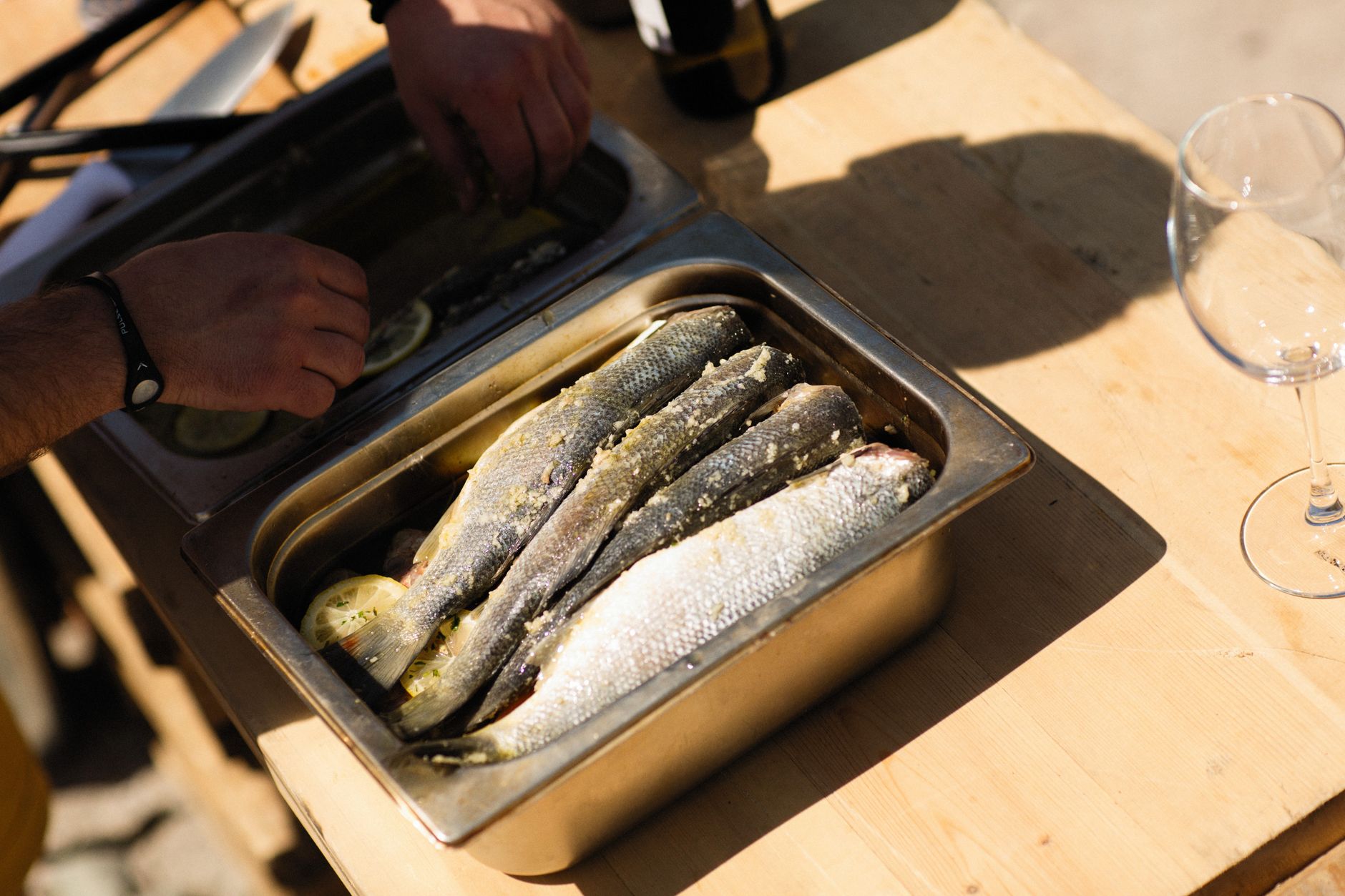
Sea bass is a versatile fish that has gained popularity due to its mild flavor and firm texture. It’s a great option for various culinary preparations, making it a favorite among both home cooks and professional chefs. But the question remains: Is sea bass good? This comprehensive guide will delve into its flavor profile, culinary uses, nutritional benefits, and serving ideas, ensuring you’re well-equipped to make the most out of this delicious fish.
In this article, we will explore the benefits of sea bass, how to select and cook it, as well as some delightful recipe suggestions. Whether you’re new to cooking or looking to enhance your seafood repertoire, you’ve come to the right place.
Is Sea Bass Good?
Yes, sea bass is generally considered to be a good choice for many reasons. It has a mild, slightly sweet flavor and a firm, flaky texture, making it suitable for various cooking methods. Additionally, sea bass is rich in nutrients, low in calories, and provides a good source of protein, making it a healthy option for a balanced diet.
Understanding Sea Bass
Sea bass is not a single species; rather, it refers to several types of fish belonging to the family Moronidae. The most well-known varieties include European sea bass and Chilean sea bass, each offering its unique characteristics and culinary potential.
Flavor Profile and Texture
Sea bass has a mild, delicate flavor that allows it to pair well with various seasonings and ingredients. Its firm texture makes it suitable for grilling, baking, frying, or poaching. The flesh is white and flaky, which can retain moisture well when cooked properly.
Nutritional Benefits
Sea bass is not only tasty but also nutritious. It is an excellent source of high-quality protein, which is essential for muscle health and repair. Additionally, sea bass contains omega-3 fatty acids, which are beneficial for heart health. Moreover, it’s low in saturated fat and calories, making it suitable for various dietary preferences.
Selecting Sea Bass
When choosing sea bass, it is essential to consider freshness and sustainability. Here are some tips to help you make a better choice:
- Look for freshness: Fresh sea bass should have clear, bright eyes and firm, elastic flesh with no noticeable odor. If buying fillets, they should be moist and glistening.
- Check the skin: The skin of fresh sea bass should be shiny and scales intact. Dull skin or missing scales can indicate age.
- Consider sustainability: Choose sea bass that has been sustainably sourced. Check for certifications like the Marine Stewardship Council (MSC) mark.
Cooking Techniques for Sea Bass
There are numerous ways to prepare sea bass, depending on your taste preferences and the cooking equipment you have. Here are some popular techniques:
Grilling
Grilling adds a smoky flavor and gives sea bass a delightful char.
- Preparation: Preheat the grill to medium-high heat and brush your sea bass fillets with olive oil, salt, and pepper.
- Cooking Time: Grill for 5-7 minutes per side or until the fish flakes easily with a fork.
Baking
Baking is a simple method that keeps the fish moist and tender.
- Preparation: Preheat your oven to 400°F (200°C). Place your sea bass on a baking dish, season it with herbs, lemon, and drizzle with olive oil.
- Cooking Time: Bake for about 15-20 minutes, depending on the thickness of the fillet.
Pan-Seering
Pan-searing is a quick and easy way to achieve a crispy crust.
- Preparation: Heat oil in a skillet over medium-high heat and season the sea bass fillets.
- Cooking Time: Cook for about 4-5 minutes on each side, until the skin is crispy and the fish is cooked through.
Poaching
Poaching preserves the delicate flavor of sea bass.
- Preparation: Bring a pot of water (or broth) to a simmer and add aromatics like herbs, garlic, and lemon.
- Cooking Time: Add the sea bass and poach for 10-15 minutes until cooked through.
Flavor Pairings and Seasonings
Due to its mild flavor, sea bass is versatile and can be paired with various ingredients:
- Herbs: Parsley, dill, thyme, and basil complement sea bass beautifully.
- Citrus: Lemon, lime, and orange add brightness and enhance the natural flavors of the fish.
- Condiments: Serve with sauces such as tartar, chimichurri, or a light balsamic glaze for an extra flavor kick.
Recipe Ideas
Now that you have the basics of cooking sea bass, here are some recipe ideas for inspiration:
Grilled Sea Bass with Lemon-Herb Marinade
This quick and flavorful dish highlights the natural taste of sea bass with a zesty marinade.
- Ingredients:
- 2 sea bass fillets
- 2 tablespoons olive oil
- 1 lemon (zest and juice)
- 2 cloves garlic, minced
- 1 teaspoon dried oregano
- Salt and pepper to taste
- In a bowl, combine olive oil, lemon zest, lemon juice, garlic, oregano, salt, and pepper.
- Add the sea bass fillets to the marinade and let them sit for 30 minutes.
- Preheat your grill to medium-high heat and grill the fillets for 5-7 minutes on each side, or until they flake easily with a fork.
- Serve with a side of grilled vegetables or a fresh salad.
Baked Sea Bass with Tomatoes and Olives
This Mediterranean-inspired dish is vibrant and easy to prepare.
- Ingredients:
- 2 sea bass fillets
- 1 cup cherry tomatoes, halved
- 1/2 cup Kalamata olives, pitted and sliced
- 2 tablespoons olive oil
- 1 tablespoon balsamic vinegar
- Salt and pepper to taste
- Fresh basil for garnish
- Preheat your oven to 400°F (200°C).
- In a baking dish, arrange the cherry tomatoes and olives, then place the sea bass fillets on top.
- Drizzle olive oil and balsamic vinegar over the fish and season with salt and pepper.
- Bake for 15-20 minutes or until the fish is cooked through and the tomatoes are roasted.
- Garnish with fresh basil before serving.
Common Mistakes to Avoid
Cooking sea bass may seem straightforward, but a few common mistakes can occur:
- Overcooking: Monitor cooking times closely, as overcooked sea bass can become dry. A food thermometer can be helpful; the internal temperature should reach 145°F (63°C).
- Lack of seasoning: Given its mild flavor, seasoning sea bass adequately is key to elevating its taste.
- Skipping the skin: The skin of sea bass can be delicious when crispy and should not be removed unless desired.
Storage and Reheating Guidelines
Proper storage and reheating are essential to ensure food safety and maintain quality:
- Refrigeration: Store cooked sea bass in an airtight container in the refrigerator for up to 2 days.
- Freezing: Raw sea bass can be frozen for up to 3 months; ensure it is well-wrapped to prevent freezer burn.
- Reheating: Reheat cooked sea bass in the oven at a low temperature (around 300°F/150°C) until warmed through, ensuring not to dry it out.
Conclusion
Sea bass is undoubtedly a good choice for those looking to enjoy a healthy and delicious seafood option. With its mild flavor and versatility, it can be prepared in various ways, from grilling to baking. Whether you opt for a classic grilled sea bass or a exciting baked combination, experimenting with this fish will surely enhance your cooking repertoire.
For more information on cooking seafood, consider checking out our black sea bass recipe and explore an intriguing ahi tuna recipe to complement your seafood dishes.