
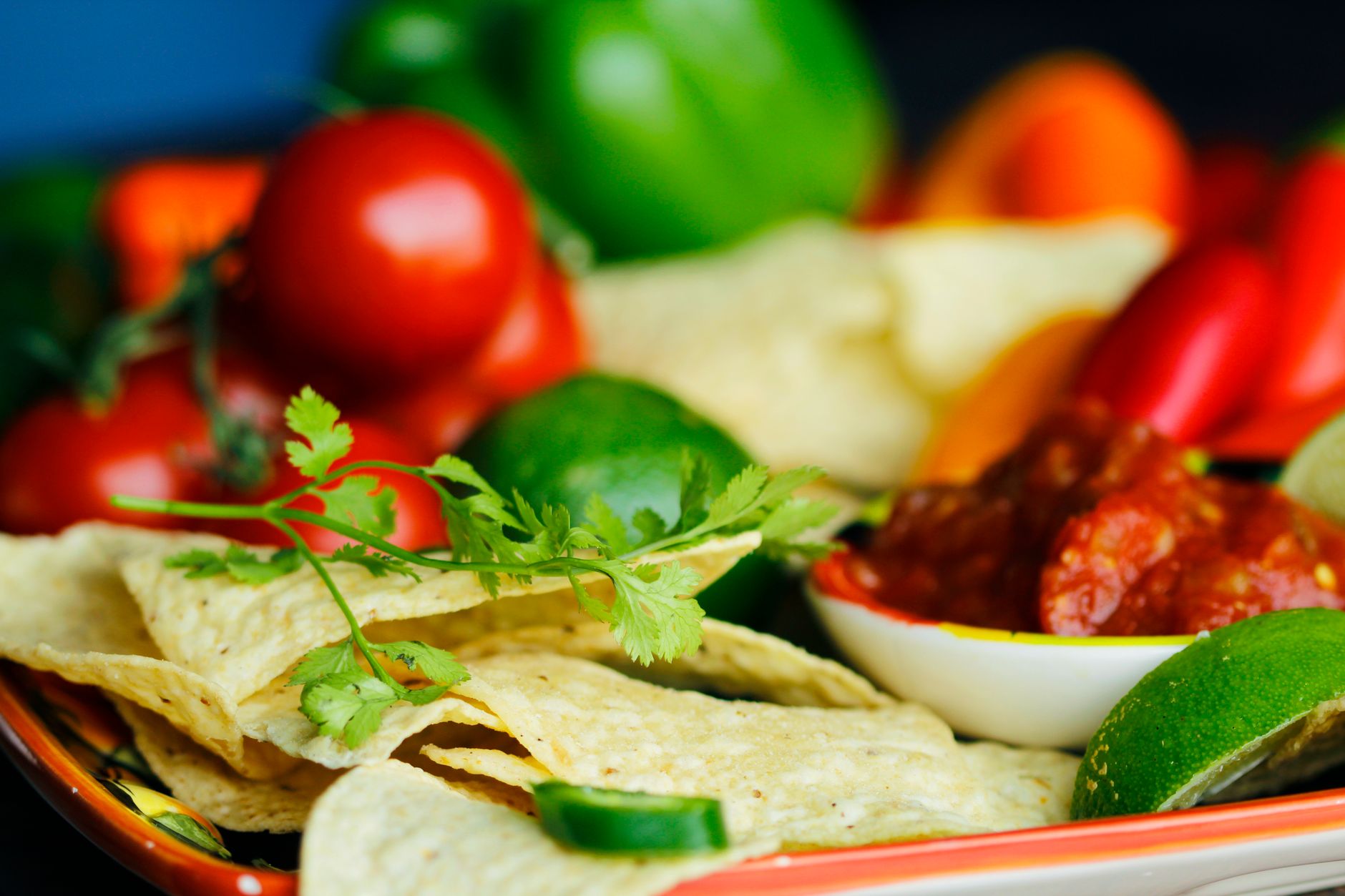
Salsa is a vibrant and flavorful staple that brings a burst of taste to various dishes. While it is often associated with Mexican cuisine, its roots and variations span multiple regions and cultures. This article will explore whether salsa is genuinely Mexican, delve into its characteristics, uses, and serving ideas.
From fresh tomato salsa to smoky variations, understanding salsa’s origins and how it has evolved can enhance your culinary experience. Whether you’re a seasoned cook or a beginner, this comprehensive guide will help you appreciate salsa in all its forms.
Is Salsa Mexican?
Yes, salsa is a traditional product of Mexican cuisine, but its popularity and variations have spread globally. The word “salsa” translates to “sauce” in Spanish, and in Mexico, it encompasses a range of dips and sauces typically made from tomatoes, peppers, onions, and various seasonings.
However, over time, different cultures have adopted and adapted it, leading to a transcendent culinary phenomenon beyond its Mexican origins. To understand more about salsa, let’s explore its historical context, diverse types, and cultural significance in Mexico and beyond.
The Historical Context of Salsa
The use of salsas in culinary practices dates back to the Aztecs and Mayans who combined tomatoes, chilies, and a variety of spices. The Spanish conquest brought new ingredients to Mexico, including garlic and onions, broadening the flavor profile of salsa.
Interestingly, salsa didn’t reach significant popularity outside Mexico until the 20th century when it exploded in popularity in the United States. This rise was aided by the growing interest in Mexican cuisine, particularly during the 1980s. Due to this globalization, many variations have emerged, with each region putting its spin on the traditional recipes.
The Essential Ingredients of Salsa
While there are countless variations of salsa, some ingredients are commonly found across most recipes. Here are the essentials:
- Tomatoes: The base for most fresh salsas, providing sweetness and acidity.
- Chilies: Various types, ranging from mild (like jalapeños) to hot (like habaneros), are used to add heat.
- Onions: These add crunch and sharpness.
- Cilantro: A common herb that brings freshness and brightness.
- Lime Juice: The acidity cuts through the richness and balances flavors.
- Salt: Enhances the overall flavor.
Types of Salsa
Salsa comes in various forms, each with its unique flavors and textures. Here are some of the most popular types:
1. Salsa Fresca (Pico de Gallo)
This fresh salsa typically consists of diced tomatoes, onions, chilies, cilantro, lime juice, and salt. Its chunky texture makes it a perfect topping for tacos, nachos, or grilled meats.
2. Salsa Verde
Salsa verde translates to “green sauce” and is made from tomatillos, green chilies, and herbs. Its bright flavor pairs well with roasted meats and enchiladas.
3. Salsa Roja
This “red sauce” often uses roasted red tomatoes and can include chili peppers for heat. It is versatile, going well with various dishes such as burritos and quesadillas.
4. Salsa Macha
This unique salsa hails from Veracruz and is made with dried chilis, nuts, garlic, and oil. Its rich, smoky flavors add depth to grilled meats and seafood.
5. Hot Salsa
Popular in many Mexican households, hot salsa can vary widely in heat and ingredients. Often made with an array of chili peppers and served as a condiment, it can be used to spice up just about any dish.
Preparation Techniques for Salsa
Making salsa can be simple, yet the techniques you use can influence the final flavor and texture. Here are a few methods:
Chopping vs. Blending
Chopping ingredients by hand will give you a fresh and chunky salsa, allowing you to appreciate the individual textures and flavors. On the other hand, blending results in a smoother sauce, which can be advantageous for dips or marinades.
Roasting Ingredients
Roasting tomatoes, peppers, and onions intensifies their flavors and adds a smoky element. This technique is commonly used in preparing salsa roja for a more complex taste.
Marinating
Letting salsa sit for at least 30 minutes (or longer) allows the flavors to meld together beautifully. This step is crucial for enhancing taste, especially in fresh salsa recipes.
Common Mistakes When Making Salsa
Even seasoned cooks can run into problems with salsa. Here are some common mistakes to avoid:
- Using unripe tomatoes or overcooked tomatoes which can lead to bland salsa.
- Neglecting to adjust seasoning levels; always taste and fine-tune salt, lime, and heat levels.
- Forgetting the marination step can lead to a less flavorful outcome.
Serving Suggestions for Salsa
Salsa can be enjoyed in many ways, whether as a dip, dressing, or condiment. Here are some ideas to enhance your salsa experience:
- As a dip: Serve fresh salsa with tortilla chips or pita for snacking.
- As a topping: Use salsa as a topping for tacos, burritos, or grilled meats.
- In dishes: Incorporate salsa into dishes like cheeseburgers, omelets, or even pasta for a burst of flavor.
- As a marinade: Use more liquid versions of salsa as a marinade for proteins before grilling.
Make-Ahead and Storage Tips
Salsa is often best enjoyed fresh, but certain types can be made ahead of time. Here’s what to keep in mind:
- Fresh salsa can be stored in an airtight container in the refrigerator for about 3-5 days.
- For salsas made with cooked ingredients, extend the shelf life to around a week.
- If you notice excess liquid, it can be drained off before serving or adjusting the texture.
Perfect Pairings with Salsa
Choosing the right pairings can elevate your meal. Here are some classic combinations:
- Grilled Chicken: The brightness of fresh salsa complements savory grilled chicken.
- Tacos: Salsa adds that essential flavor kick to tacos filled with your choice of protein.
- Seafood: Pair salsas verdé or macha with shrimp or grilled fish for a coastal flair.
- Vegetarian Dishes: Use salsa on roasted veggies or alongside beans for a flavorful punch.
Cultural Significance of Salsa in Mexico
Salsa represents more than just a condiment in Mexican culture. It is a symbol, often referred to as the “soul” of Mexican cuisine. Different regions have their specialties and traditions, making salsa a point of pride among families and communities.
Many Mexican households pass down family recipes through generations, further solidifying its importance in culinary practice. Understanding this cultural backdrop can greatly enhance your appreciation of salsa and Mexican culinary arts.
Conclusion
Salsa is undoubtedly a Mexican culinary icon, rich in history and flavor. With diverse types and countless uses, it is no wonder it has become a favorite around the globe. From fresh recipes to smoky variations, salsa can enhance myriad dishes and cater to personal tastes. The next time you enjoy salsa, consider its rich history and the culture behind it.
Explore more about salsa with these delicious recipes: try the Habanero Salsa Recipe for a spicy kick or savor the flavors of Salsa Macha for a smoky twist. Happy cooking!