
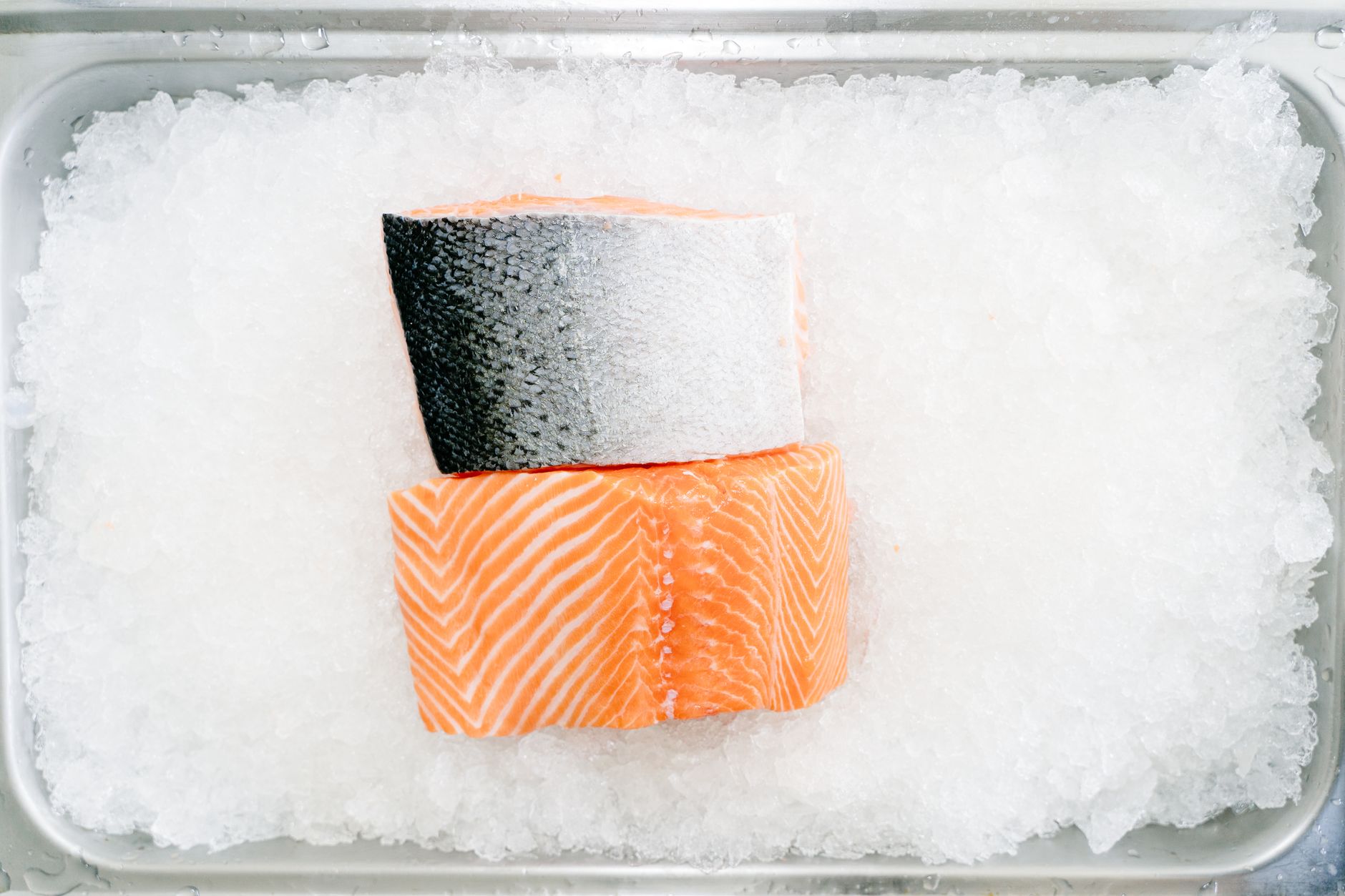
Salmon is a popular fish known for its rich flavor and numerous health benefits. One common concern consumers have is regarding mercury levels in fish, particularly in salmon. Understanding whether salmon is high in mercury is essential for making informed dietary choices.
This article will delve into the mercury content of salmon, its health implications, and why salmon remains a recommended option for meals despite concerns about mercury levels.
Is Salmon High In Mercury?
No, salmon is not considered high in mercury compared to many other fish species. Generally, salmon contains lower levels of mercury, making it a safe seafood choice for most people. However, the mercury content can vary based on the species and the source of the salmon.
Understanding Mercury in Fish
Mercury is a naturally occurring element that can have negative health effects when consumed in high amounts. It often enters water bodies through industrial pollution and accumulates in fish and seafood. This accumulation occurs through a process called bioaccumulation, where smaller organisms absorb mercury, which then builds up in larger fish.
Because mercury is found in the environment and affects several species, it’s crucial to understand how different fish like salmon compare regarding their mercury levels.
Measuring Mercury Levels
Mercury levels in fish are measured in parts per million (ppm). The United States Environmental Protection Agency (EPA) has established guidelines for safe consumption. Generally, fish with less than 0.1 ppm of mercury are considered safe for regular consumption.
The Mercury Content of Various Salmon Species
Not all salmon is created equal when it comes to mercury content. Below are the major types of salmon and their respective mercury levels:
- Atlantic Salmon: Generally farmed, Atlantic salmon has lower levels of mercury, averaging around 0.05 ppm.
- Chinook Salmon (King Salmon): Higher in fat, this species can have mercury levels around 0.1 ppm.
- Coho Salmon: This variety typically has similar mercury levels as King salmon, but may vary by source, averaging around 0.1 ppm.
- Pink Salmon: Known as the lightest in flavor, it usually contains even lower mercury levels, sometimes less than 0.03 ppm.
- Sockeye Salmon: This flavorful variety tends to have a mercury content similar to Coho salmon, around 0.1 ppm.
Health Implications of Mercury Consumption
Mercury can pose serious health risks, especially to young children and pregnant or breastfeeding women. Potential health effects include:
- Neurological Issues: High mercury levels can damage the nervous system, leading to cognitive and developmental issues.
- Cardiovascular Problems: Mercury exposure has been linked to an increased risk of heart disease.
- Problems with Immune Response: Mercury harmful effects on immune health can lead to increased vulnerability to infections.
Recommended Consumption Levels
The EPA recommends that adults consume no more than 12 ounces (two average meals) of low-mercury fish per week. Pregnant women, nursing mothers, and young children should be particularly cautious about mercury intake.
Why Salmon Remains a Healthy Choice
Despite concerns about mercury, salmon is also well-regarded for its nutritional benefits. Here are some reasons to consider including salmon in your diet:
- Rich in Omega-3 Fatty Acids: Salmon is one of the best sources of omega-3s, essential for heart and brain health.
- High Protein Content: Salmon offers a high-quality protein source, important for muscle maintenance and overall health.
- Vitamins and Minerals: Salmon is rich in B vitamins, vitamin D, and selenium, contributing to overall well-being.
Choosing Quality Salmon
When selecting salmon to minimize exposure to mercury, consider the following tips:
- Opt for Wild-Caught Salmon: Wild-caught salmon tends to have lower mercury levels than farmed. Additionally, they often contain higher omega-3 levels.
- Research Sources: Know where your salmon comes from. Fish from clean waters tend to have less contamination.
- Check Certification Labels: Look for certifications from organizations that focus on sustainable fishing practices.
Cooking Salmon Safely
Salmon can be enjoyed in various ways, from grilling to baking. Here are some cooking methods and tips to ensure that your salmon dishes remain safe and delicious:
Essential Cooking Methods
- Grilling: A popular method that imparts a smoky flavor. Preheat the grill to medium-high heat and cook salmon skin-side down for about 6-8 minutes per side.
- Baking: Baking salmon is a simple way to prepare it. Preheat the oven to 400°F (204°C), place salmon on a lined baking sheet, and bake for 12-15 minutes.
- Pan-Seering: When using a skillet, heat oliv oil over medium-high heat, cook salmon for about 4-6 minutes per side depending on thickness.
Flavor Pairings
Salmon is quite versatile and can pair excellently with various flavors:
- Lemon and Dill: Bright and fresh, this combination brings out salmon’s natural flavor.
- Maple Glaze: A sweeter option that pairs wonderfully with the fish’s richness.
- Garlic and Herbs: A classic seasoning blend that elevates any salmon dish.
Common Questions About Salmon and Mercury
1. Can I eat salmon every day?
While salmon is healthy, it’s advisable to include a variety of fish in your diet to avoid potential mercury accumulation. Eating salmon 2-3 times a week is generally considered safe for most individuals.
2. How does farmed salmon compare to wild-caught salmon in terms of mercury levels?
Farmed salmon typically has lower mercury levels compared to certain wild species. However, it’s essential to consider other factors such as antibiotic use and sustainability when selecting salmon.
3. Are omega-3 supplements a good alternative to eating salmon?
While omega-3 supplements can provide benefits, they do not contain the same range of vitamins and minerals found in whole fish. Additionally, consuming whole fish offers additional health benefits.
Storage and Reheating Guidelines
Proper storage and reheating of salmon are essential for maintaining its quality and safety:
Storage Tips
- Store fresh salmon in the refrigerator and use it within 1-2 days for optimal freshness.
- If you need to keep it longer, consider freezing salmon in an airtight container, where it can last for up to 6 months.
Reheating Tips
When reheating cooked salmon, do so gently to avoid drying it out. The best methods include:
- Mildly heating it in the oven at 275°F (135°C) for about 15 minutes.
- Using the microwave on a low setting in short bursts to prevent overheating.
Final Thoughts on Salmon and Mercury
Salmon is a nutritious fish that offers numerous health benefits while maintaining relatively low mercury levels, especially when sourced appropriately. Regular consumption within recommended guidelines can be part of a balanced diet.
For those looking to incorporate salmon into their meals, exploring various preparation methods can enhance flavors and provide a delightful dining experience. To learn how to tell if salmon is bad, check out our guide at how to tell if salmon is bad. You may also want to experiment with a delicious salmon loaf recipe for dinner!