
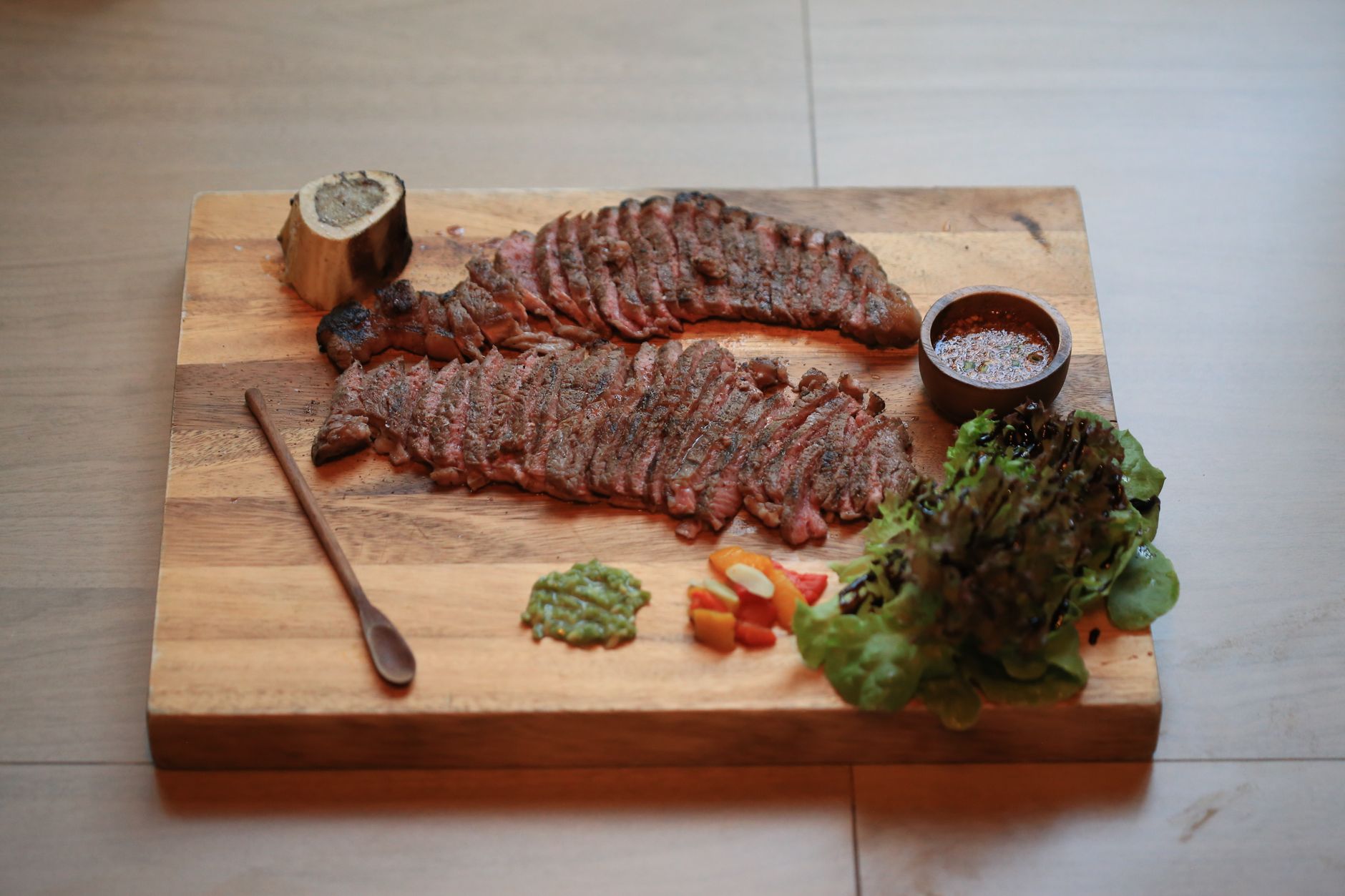
Roast beef is a classic dish that can be found on dinner tables around the world. It’s succulent, flavorful, and versatile, making it a staple for special occasions and everyday meals alike. However, many people wonder about its health implications and whether it can fit into a balanced diet.
This article will explore the nutritional benefits of roast beef, factors affecting its healthiness, and practical tips for consumption. You’ll also get insights into how to prepare roast beef, what to serve it with, and variations to suit dietary preferences.
Is Roast Beef Healthy?
Roast beef can be a healthy choice when consumed in moderation. It contains essential nutrients like protein, iron, and B vitamins, which are beneficial for muscle growth, energy production, and overall health. However, the healthiness of roast beef can be influenced by factors such as cut choice, preparation methods, and portion sizes.
Nutritional Breakdown of Roast Beef
The nutritional composition of roast beef can vary depending on the cut chosen. Here are general nutritional values based on a typical 3-ounce serving of cooked, lean roast beef:
- Calories: 210
- Protein: 24 grams
- Fat: 10 grams
- Saturated fat: 4 grams
- Cholesterol: 70 mg
- Iron: 2.1 mg (approximately 12% of daily value)
- Vitamin B12: 2.1 mcg (approximately 35% of daily value)
Protein
Protein is crucial for repairing tissues and building muscle. Roast beef provides a significant amount of protein, making it an excellent choice for those looking to increase their protein intake. Additionally, protein can aid in weight management by promoting satiety.
Iron
Iron is vital for transporting oxygen in the blood. The heme iron found in red meat, like roast beef, is more easily absorbed by the body compared to non-heme iron sourced from plants. This makes roast beef a valuable source of iron, particularly for individuals prone to anemia.
B Vitamins
Roast beef is rich in B vitamins, including B12, which is important for nerve function and the production of red blood cells. Other B vitamins present, such as niacin and riboflavin, play roles in energy production and metabolism.
Factors Affecting the Healthiness of Roast Beef
While roast beef has several nutritional benefits, specific factors can influence its overall healthiness:
Cut Selection
The cut of roast beef can significantly affect its fat content. Leaner cuts, such as eye of round or sirloin, are better options for those concerned about saturated fat. On the other hand, cuts like ribeye or chuck can be higher in fat, which may contribute to increased cholesterol levels if consumed in large amounts.
Preparation Method
How roast beef is prepared also affects its health profile. Roasting without excess oil or butter keeps the dish lower in calories and fat. However, dishes made with gravy or served with rich sides can increase calorie content. Consider seasoning with herbs and spices for flavor without adding additional fat.
Portion Size
Portion control is essential. A 3-ounce serving is generally recommended, but many people consume larger portions, which can lead to excess calorie intake. Balancing roast beef with plenty of vegetables and whole grains can make for a more balanced meal.
Frequency of Consumption
Dietary guidelines often recommend limiting red meat intake due to potential links to heart disease and certain cancers. Moderation is key; roast beef can be enjoyed as part of a varied diet that includes ample fruits, vegetables, and whole grains.
Common Concerns About Roast Beef
Red Meat and Health Risks
Some studies suggest that high consumption of red meat may be linked to health issues such as heart disease and certain cancers. These concerns are primarily associated with processed meats and those high in saturated fat. Choosing lean cuts and preparing them in healthy ways can mitigate these risks.
Saturated Fat and Cholesterol
Saturated fat and cholesterol have long been scrutinized for their potential impact on heart health. Lean roast beef has lower levels of saturated fat compared to fattier cuts, making it a better option. However, it is still wise to monitor overall saturated fat intake from all sources.
Understanding “Pink” in Roast Beef
Many enjoy roast beef cooked to medium rare, leaving it pink in the center. This is acceptable as long as the meat reaches a safe internal temperature of at least 145°F (63°C) followed by a three-minute rest period. Using a meat thermometer is recommended to ensure safety.
How to Prepare Roast Beef
Roasting beef is relatively straightforward and requires little active time. Here’s a simple preparation guide:
Essential Equipment
- Roasting pan
- Meat thermometer
- Sharp knife for carving
- Aluminum foil (for resting)
Ingredients
- 3-4 lbs of lean beef roast (such as eye of round or sirloin)
- 2 tbsp olive oil
- Salt and pepper to taste
- Optional: garlic powder, rosemary, thyme, or your favorite herbs
Preparation Method
- Preheat your oven to 350°F (175°C).
- Pat the beef roast dry with paper towels to promote browning.
- Rub the roast with olive oil, then season generously with salt, pepper, and optional herbs/spices.
- Place the beef in a roasting pan and insert a meat thermometer into the thickest part of the roast, avoiding bone and fat.
- Roast in the preheated oven until the internal temperature reaches 145°F (63°C) for medium-rare or higher based on your preference.
- Remove from the oven, cover loosely with aluminum foil, and let it rest for 15-20 minutes to allow juices to redistribute.
- Carve the roast into thin slices and serve with your choice of sides.
Serving Suggestions
Roast beef pairs beautifully with a variety of side dishes. Consider the following options:
- Roasted vegetables (carrots, potatoes, Brussels sprouts)
- Mashed potatoes or sweet potatoes
- Fresh garden salad with vinaigrette
- Whole grains like quinoa or farro
Variations and Flavor Twists
If you wish to explore different flavors or cater to dietary needs, here are some variations:
- Herb-Crusted Roast Beef: Add a mixture of crushed herbs like thyme and rosemary to the seasoning.
- Spicy Roast: Incorporate chili powder or cayenne pepper for a kick.
- Garlic and Black Pepper: Increase the amount of garlic for a more robust flavor.
Healthier Substitutes for Sides
While traditional sides can be decadent, consider these healthier alternatives:
- Swap mashed potatoes for mashed cauliflower for a lower-carb side.
- Choose steamed vegetables instead of buttered ones.
- Use whole grain bread for sandwiches instead of white bread.
Storage and Reheating Guidelines
Proper storage is vital for extending the lifespan of your roast beef leftovers. Here are guidelines to follow:
Storage
- Cool the roast beef to room temperature before refrigerating.
- Wrap leftovers tightly in foil or airtight containers.
- Consume refrigerated roast beef within 3-4 days.
Reheating
To maintain moisture when reheating roast beef, follow these tips:
- Preheat your oven to a low temperature (around 250°F or 120°C).
- Wrap the beef in foil to prevent drying out.
- Heat until warmed through, about 10-15 minutes.
Conclusion
Roast beef can be a healthy addition to your diet when enjoyed in moderation and prepared mindfully. Its rich sources of protein, iron, and B vitamins offer substantial nutritional benefits, especially if you opt for lean cuts and proper cooking methods.
For a delicious meal, roast beef is best served alongside an array of colorful vegetables and whole grains. Exploring various flavor profiles and sides can keep your meals interesting while you appreciate all that this hearty dish has to offer.
To learn more about related topics, consider checking out whether red meat is linked to cancer or exploring if meatloaf is healthy for a balanced diet.