
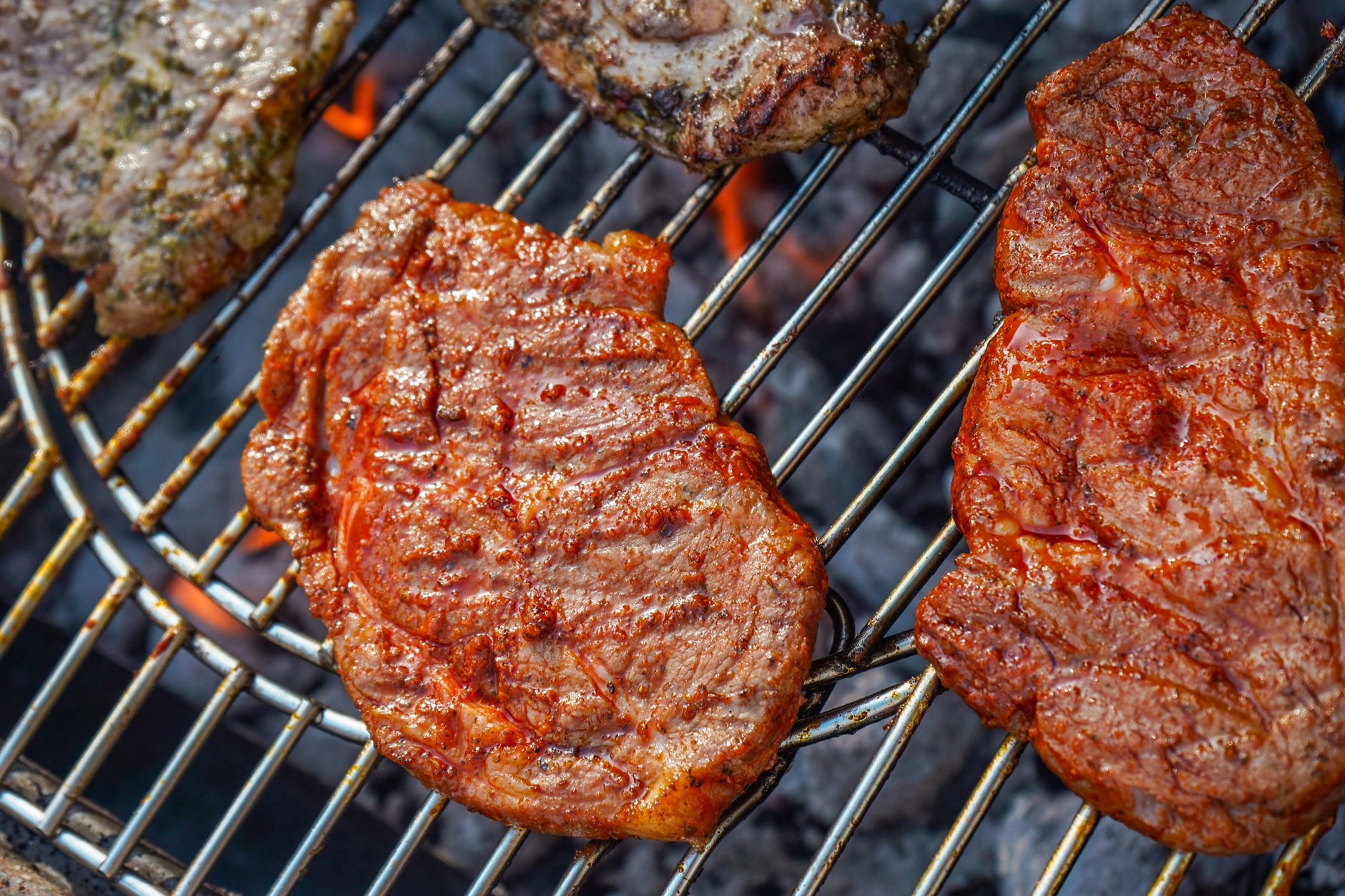
Red meat is a staple in many diets, beloved for its rich flavor and nutritional benefits. However, questions often arise about its digestibility and impact on our digestive systems. This article will explore whether red meat is indeed hard to digest, considering factors such as fiber content, portion sizes, and the way our bodies process different types of meat.
By understanding how red meat interacts with our digestive systems, we can make informed choices about our diets and cooking methods. Whether you’re a meat lover or exploring alternatives, this guide aims to provide clarity on the topic of red meat digestion.
Is Red Meat Hard to Digest?
The digestibility of red meat can vary by individual, but it is generally considered more difficult to digest compared to poultry and fish. This is partly because red meat is denser and higher in fat than other protein sources. The presence of connective tissue and the way our bodies break down meat contribute to this perception.
Factors such as the cut of meat, how it is cooked, and individual digestive health play significant roles in how well red meat is digested. For some, especially those with certain digestive conditions, red meat can cause discomfort and slow digestion.
Understanding Fiber and Digestion
Fiber plays a crucial role in digestion. It helps move food through the digestive system and contributes to healthy gut function. Red meat, however, is low in fiber, which means it does not aid in promoting regular bowel movements. A diet that lacks sufficient fiber can lead to constipation and other digestive issues.
Fiber and Its Role in Digestion
Fiber is categorized into two types: soluble and insoluble. Soluble fiber dissolves in water, forming a gel-like substance. It can help lower cholesterol and stabilize blood sugar levels. Insoluble fiber, on the other hand, adds bulk to the stool and aids in moving it through the digestive tract.
Because red meat lacks fiber, it’s often recommended to pair it with fiber-rich foods such as vegetables, legumes, and whole grains. This combination can facilitate better digestion and enhance nutrient absorption.
Alternate Protein Sources
If you find red meat hard to digest, consider including alternatives that are easier on the stomach:
- White meats such as chicken or turkey
- Fish, which is generally easier to digest and contains healthy fats
- Plant-based proteins like beans, lentils, and tofu
- Eggs, which are rich in protein but easier to digest compared to red meat
Portion Sizes and Their Influence
The portion size of red meat can significantly affect its digestibility. Larger portions can overwhelm the digestive system, leading to discomfort, bloating, or sluggish digestion. Using appropriate portion sizes can help mitigate these issues.
Recommended Portion Sizes
Health authorities often recommend limiting red meat consumption to around 3 ounces per meal, which is roughly the size of a deck of cards. Here are some practical size references:
- 3 ounces of steak or beef = about the size of a smartphone
- 3 ounces of ground beef = approximately the size of a hamburger patty
- 3 ounces of pork = similar to a small apple
Using these portion sizes can help ensure that red meat is more manageable for your digestive system.
Cooking Methods That Affect Digestibility
The way red meat is prepared can also influence its digestibility. Certain cooking methods can make the meat tougher or softer, consequently affecting the efficiency of digestion.
Recommended Cooking Techniques
- Slow cooking: Methods such as braising and stewing allow tough cuts of meat to break down, making them easier to digest.
- Grilling: Grilling can cook meat quickly, but it may also lead to the formation of charred pieces, which can be harder to digest.
- Steaming: This technique retains moisture and can help keep the meat tender, aiding digestion.
- Roasting: While roasting can create delicious flavors, it can also result in tougher meat if overcooked.
Choosing the right cooking method can not only enhance flavor but can also aid in making red meat easier to digest.
Signs Red Meat Is Hard to Digest
Many people experience various symptoms when consuming red meat, especially if they have digestive issues. Common signs that red meat may be hard to digest include:
- Bloating
- Gas or flatulence
- Constipation or irregular bowel movements
- Stomach cramps or discomfort
If you regularly experience these symptoms after consuming red meat, it may be useful to consult a healthcare professional. Alternatives and dietary adjustments might be necessary.
Combining Red Meat with Other Foods
Pairing red meat with foods that facilitate digestion can be beneficial. Here are some combinations to consider:
Foods to Add for Easier Digestion
- Vegetables: Incorporating leafy greens, carrots, and zucchinis can provide much-needed fiber and nutrients.
- Whole grains: Quinoa, brown rice, and barley are high in fiber and can help promote healthy digestion.
- Fermented foods: Yogurt, kimchi, and sauerkraut contain probiotics that support gut health.
By ensuring you’re consuming a balanced meal with red meat, you can improve overall digestive health.
Common Mistakes with Red Meat
When cooking and consuming red meat, certain mistakes are often made that can impact digestion.
Avoiding These Errors
- Overcooking: This can make meat tough and harder to digest. Aim for appropriate cooking times and temperatures.
- Neglecting to rest: Allow cooked meat to rest before cutting into it. This helps redistribute the juices, making it more tender.
- Ignoring fat content: High-fat cuts can slow digestion. Opt for leaner cuts, which are easier to digest.
Keeping these tips in mind can enhance your cooking experience and improve digestibility.
Does Individual Health Status Matter?
Your digestive health significantly impacts how well you can digest red meat. Conditions such as Irritable Bowel Syndrome (IBS), celiac disease, or certain food intolerances can complicate digestion.
Health Considerations
People with digestive disorders or sensitivities may find it more challenging to process red meat due to the body’s inflammatory response or altered gut flora. Consulting a registered dietitian can provide personalized dietary adjustments to help manage these concerns.
Make-Ahead and Meal Prep Considerations
Preparing red meat in advance can streamline cooking. Here are some practical tips for meal prep:
Tips for Meal Prepping with Red Meat
- Cook in bulk: Prepare beef stews, chili, or stir-fries in larger quantities to freeze for later use.
- Season well: Marinating meat overnight can enhance flavor and tenderness, making it easier to digest.
- Proper storage: Always store cooked meat in an airtight container in the refrigerator for up to four days or freeze for later use.
Planning meals using cooked red meat can help maintain a balanced diet while also managing digestion.
Storage and Reheating Guidelines
Ensuring safe storage and reheating procedures are essential for maintaining quality and resolving potential digestive issues.
Red Meat Storage Tips
- Refrigeration: Keep raw red meat in the coldest part of your refrigerator. Always store it at temperatures below 40°F (4°C).
- Freezing: For extended storage, wrap red meat tightly in plastic wrap and store it in the freezer. It can last several months.
- Reheating: Reheat leftovers to an internal temperature of 165°F (74°C) to ensure safety.
Proper storage and reheating techniques can safeguard your health while reinforcing the meat’s digestibility.
Conclusion
This exploration into the digestibility of red meat shows that while it can be more complex for some individuals, proper portion sizes, cooking methods, and combinations with fiber-rich foods can facilitate better digestion. Paying attention to individual digestive health and potential intolerances can empower you to make better choices regarding red meat consumption.
If you’re curious about the relationship between red meat and health concerns, be sure to check out the article on red meat and cancer risk. For practical tips on food safety, find out how long ground beef lasts in your refrigerator. Explore these resources to deepen your culinary knowledge and better manage your digestive health.