
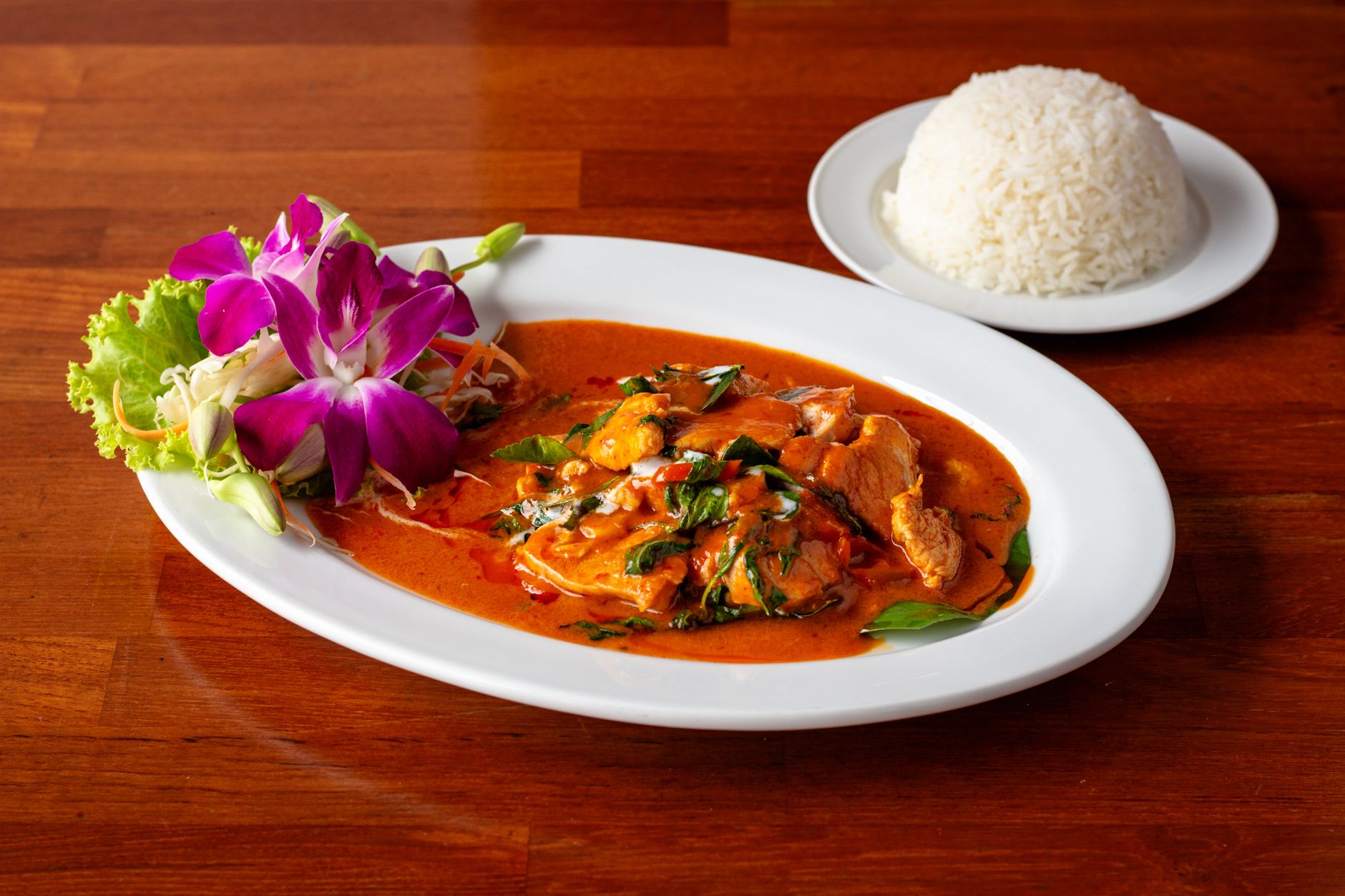
Red curry is a vibrant and flavorful dish that has gained popularity for its unique combination of spices and ingredients. This enticing dish often includes coconut milk, various vegetables, and protein sources, making it a central element in many Asian cuisines, particularly Thai. With its rich colors and aromatic profile, many people wonder: Is red curry healthy?
In this article, we will explore the nutritional aspects of red curry, portion sizes, and essential considerations for making healthier choices when preparing or ordering this dish. Understanding its ingredients and their effects can help you enjoy red curry while staying mindful of your health.
Is Red Curry Healthy?
Red curry can be a healthy option depending on its ingredients and preparation methods. It typically features nutritious components like vegetables, lean proteins, and healthy fats from coconut milk. However, calories and sodium can add up, especially in restaurant versions. Balancing portion size and ingredient selection is key to enjoying red curry in a healthy way.
Understanding the Base Ingredients of Red Curry
The primary components of red curry contribute significantly to its nutritional profile. Let’s take a closer look at these ingredients:
- Coconut Milk: Rich in medium-chain triglycerides (MCTs), coconut milk adds creaminess and flavor, but it can also be high in saturated fat and calories. Moderation is essential.
- Red Curry Paste: This typically includes red chili peppers, garlic, galangal, lemongrass, and shrimp paste. The paste is packed with flavor, offering health benefits such as anti-inflammatory properties from chili and garlic.
- Proteins: Chicken, shrimp, tofu, or other proteins can be used. Lean proteins provide necessary nutrients while contributing to satiety. Vegetarian options can increase the fiber content.
- Vegetables: Red curry often incorporates bell peppers, eggplant, and broccoli. These add essential vitamins, minerals, and fiber to the dish, making it more nutritious.
- Herbs and Spices: Fresh herbs such as basil and cilantro and spices add flavor and may offer additional health benefits.
Nutritional Breakdown
While exact nutritional values can vary depending on preparation methods, understanding the general composition of red curry can help gauge its healthiness. Here are some average values for a standard serving of red curry made with chicken, vegetables, and coconut milk:
| Nutrient | Approximate Value (per serving) |
|---|---|
| Calories | 350-500 |
| Protein | 20-30g |
| Carbohydrates | 12-20g |
| Fat | 25-35g |
| Sodium | 800-1200mg |
These values can shift based on the choice of protein, the amount of coconut milk, and whether additional ingredients such as rice are included. It’s vital to consider these aspects if you’re aiming for a healthier version.
Portion Sizes and Serving Suggestions
Portion sizes can significantly affect the overall healthiness of red curry. A standard serving size is typically about one cup of the curry, which can be served with an additional half cup of brown rice or quinoa for a nutritious meal.
To ensure you’re consuming a balanced meal, consider the following serving suggestions:
- Pair with Whole Grains: Serve red curry over brown rice, quinoa, or whole grain noodles. This choice increases fiber content and can help with digestion.
- Add More Vegetables: Choose a variety of colorful vegetables to bulk up the dish without substantially increasing calories. Options like spinach, carrots, and peas can enhance nutritional value and flavor.
- Mind the Coconut Milk: Use light coconut milk or reduce the amount used to lower calorie and fat intake without sacrificing flavor.
Health Considerations
While red curry can offer numerous health benefits, some considerations should be kept in mind:
Caloric Density
Since red curry often contains high-calorie ingredients like coconut milk, keeping an eye on portion sizes is important. Opting for lean proteins and more vegetables can help balance the dish.
Sodium Levels
Many pre-made or restaurant versions of red curry can be high in sodium, which can lead to increased blood pressure. It’s advisable to prepare red curry at home so you can control the sodium content, especially if you are watching your intake for health reasons.
Balanced Diet
Enjoying red curry as part of a balanced diet is crucial. Make sure to incorporate a variety of food groups, including plenty of fruits and vegetables, whole grains, and healthy fats.
Tips for Making Healthier Red Curry
When making red curry at home or choosing it at a restaurant, consider implementing some of these strategies to ensure a nutritious meal:
- Use Fresh Ingredients: Opt for fresh vegetables and herbs whenever possible for better flavor and nutrition.
- Control Oil Usage: Limit the amount of oil you use when cooking to reduce excess calories.
- Choose Lean Proteins: Select lean meats like chicken breast, shrimp, or plant-based proteins like tofu.
- Avoid Additives: Be wary of store-bought curry pastes that may contain preservatives and artificial ingredients. Making your own paste allows full control over what goes into the dish.
Common Mistakes to Avoid
Making red curry at home can result in mistakes that lead to a less healthy dish. Here are some common pitfalls:
- Using Too Much Coconut Milk: Overuse can lead to a heavy, calorie-dense dish. Measure out portions to keep the fat content in check.
- Neglecting Vegetables: Skipping on veggies limits fiber and nutrient intake. Aim for at least half of your dish to be vegetables.
- Ignoring Quality of Ingredients: Low-quality oils or processed ingredients can diminish the health benefits of your curry.
Storage and Reheating Guidelines
Proper storage and reheating methods can help maintain the quality of red curry while ensuring food safety:
- Storage: Store leftovers in an airtight container in the refrigerator for 3-4 days. For longer shelf life, consider freezing the curry.
- Reheating: When reheating, ensure the curry reaches a temperature of at least 165°F (74°C) to ensure safety.
Variations of Red Curry
Exploring different variations of red curry can also enhance its healthfulness and flavors. Consider these adaptations:
- Vegetarian or Vegan Versions: Substitute meat with plant-based proteins like chickpeas, tofu, or tempeh. This reduces saturated fat and increases fiber.
- Low-Carb Options: Use spiralized vegetables (like zucchini) instead of grains for a low-carb version.
- Spice Alternatives: Adjust the spice level to your preference by adding less or incorporating milder herbs.
Conclusion
Red curry can indeed be a healthy addition to your meal repertoire when prepared mindfully. The key lies in understanding the ingredients, controlling portions, and making thoughtful choices regarding added elements. By focusing on fresh ingredients and balancing your diet, you can enjoy the bold flavors of red curry without compromising your health.
For those interested in exploring more recipes or ingredients, consider checking out a shrimp curry recipe or try making a chia pudding with coconut milk for a delightful dessert. These dishes can provide additional nutritious options to complement your meals!