
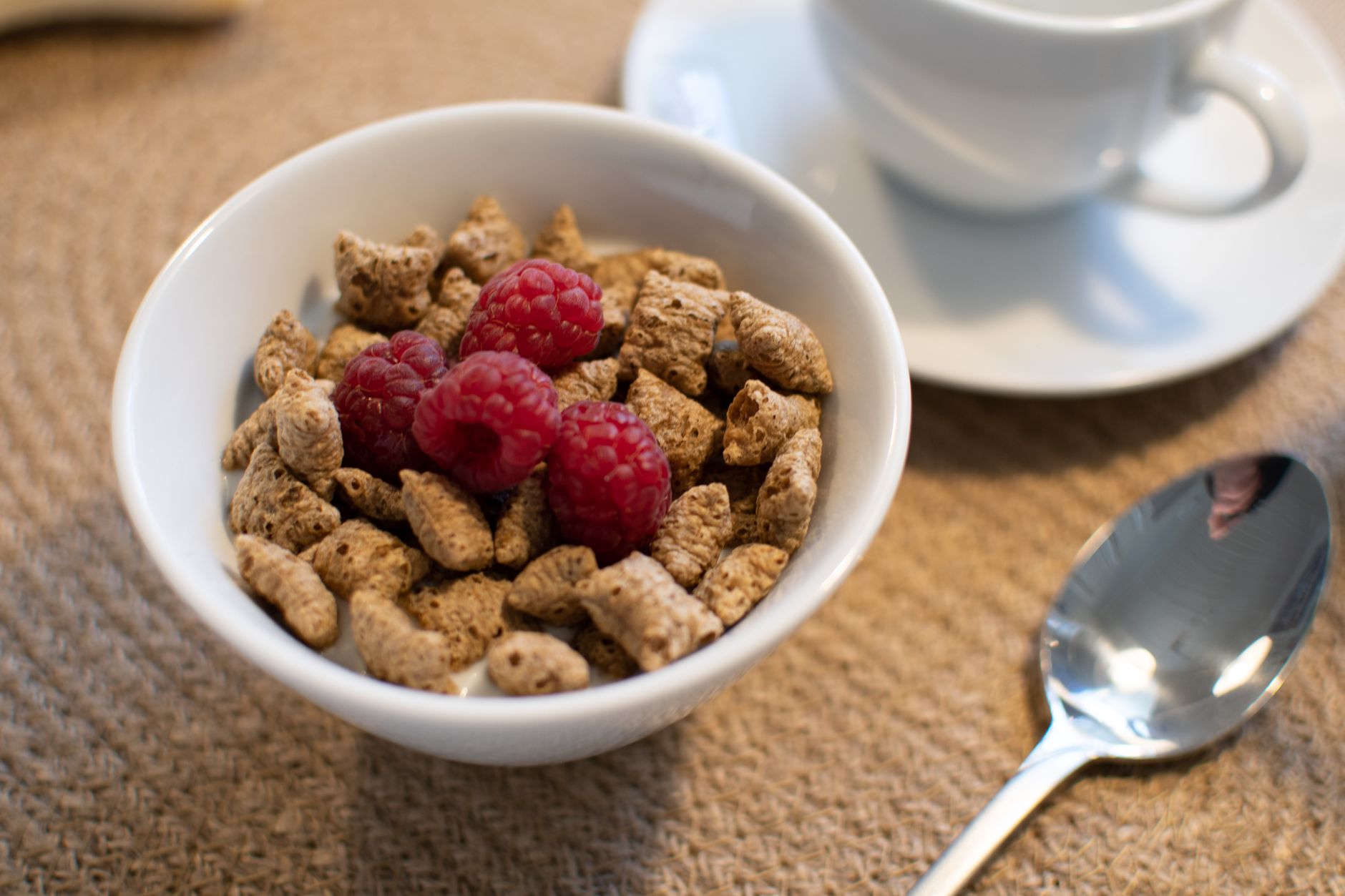
Raisin Bran has long been a popular breakfast choice, lauded for its wholesome ingredients and blend of textures. This cereal, primarily composed of bran flakes and raisins, is often touted as a nutritious option for those looking to kickstart their day. But is Raisin Bran truly good for you? In this article, we will explore its nutritional profile, health benefits, potential drawbacks, serving sizes, and ways to incorporate Raisin Bran into a balanced diet.
Understanding the ingredients and their implications on health can help you decide if Raisin Bran fits your dietary needs. Let’s delve into what makes this cereal a staple for many households and its suitability in various meal-planning scenarios.
Is Raisin Bran Good for You?
Raisin Bran can be a good choice for many people due to its high fiber content, essential vitamins, and minerals. However, it’s also important to be cautious about its sugar content and overall caloric intake. Moderation and mindful consumption are key to making Raisin Bran a beneficial part of your diet.
Nutritional Breakdown of Raisin Bran
To assess whether Raisin Bran is genuinely healthy, it’s essential to look at its nutritional content. Depending on the brand, a typical serving size of Raisin Bran (about 60 grams or 1 cup) may contain:
- Calories: 190-210
- Total Fat: 1-2 grams
- Saturated Fat: 0 grams
- Cholesterol: 0 mg
- Sodium: 150–250 mg
- Total Carbohydrates: 45-50 grams
- Dietary Fiber: 7-8 grams
- Sugars: 12-18 grams
- Protein: 4-5 grams
The nutritional values can vary by brand, so it’s always a good idea to check the packaging. Ingredients generally include whole grain wheat, bran, sugar, and raisins, along with added vitamins and minerals such as iron and B vitamins.
Benefits of Raisin Bran
1. **High Fiber Content**: Raisin Bran is rich in dietary fiber, which aids in digestion and can help maintain a healthy weight. Fiber keeps you feeling full longer and can help lower cholesterol levels.
2. **Nutrient-Rich**: This cereal provides essential vitamins and minerals. The addition of raisins contributes to your intake of antioxidants, vitamins, and minerals like potassium and iron.
3. **Quick and Convenient**: Featuring minimal preparation, Raisin Bran is an easy addition to breakfast or a snack. Simply pour it in a bowl, add milk or a milk alternative, and you’re ready to go.
4. **Low in Fat**: With minimal fat content, this cereal can fit well into various dietary regimes, including low-fat and heart-healthy diets.
Potential Drawbacks
1. **Sugar Content**: One concern with Raisin Bran is its sugar content. Many brands add sugar to enhance flavor, which can contribute to unnecessary caloric intake. It’s noteworthy to look for options with less added sugar or consume in moderation.
2. **Caloric Density**: While Raisin Bran can be filling, consuming large portions can lead to higher calorie intake than intended when trying to manage weight.
3. **Glycemic Index**: The glycemic index of Raisin Bran can vary, with some versions impacting blood sugar levels more than others, especially if consumed without protein or fat to balance the meal.
Serving Sizes and Recommendations
Understanding portion sizes can help mitigate some of the drawbacks associated with consuming Raisin Bran. A typical serving is one cup, but many people inadvertently consume more. Here are some practical tips to keep your portions in check:
- Measure Your Serving: Use measuring cups to help you get accustomed to what a proper serving looks like.
- Pair Wisely: Consider mixing Raisin Bran with a scoop of yogurt or adding nuts to enhance nutritional value and protein content.
- Avoid Overloading with Sugar: Limit the addition of sweeteners like honey or agave, as the cereal already contains natural sugars from raisins and potential added sugars.
- Mind Your Pairings: If consuming with milk, consider using unsweetened almond milk or other low-sugar milk alternatives to reduce overall caloric intake.
How to Incorporate Raisin Bran into Your Diet
Raisin Bran can be more versatile than you think. Here are some creative ways to integrate it into your meals:
Breakfast Options
1. **Classic Cereal Bowl**: The simplest option is to enjoy it as a cereal with milk or yogurt. Top with fresh fruits like banana or berries for extra nutrients.
2. **Smoothie Bowls**: Blend a banana with some yogurt and milk, then top with Raisin Bran for added texture and crunch.
Snack Ideas
1. **Trail Mix**: Combine Raisin Bran with nuts, seeds, and dried fruits for a protein-packed snack that’s easy to grab on the go.
2. **Yogurt Parfaits**: Layer Raisin Bran with yogurt and fruit in a glass for a visually appealing and nutritious snack.
In Baking
1. **Bran Muffins**: You can substitute a portion of flour with Raisin Bran in muffin recipes, adding fiber and sweetness.
2. **Granola Bars**: Incorporate Raisin Bran into homemade granola bars as a way to boost fiber and flavor.
Raisin Bran vs. Other Cereals
When comparing Raisin Bran to other cereals, a few points can help determine which is best for you:
- **Fiber Content**: Many cereals tout high fiber but check the content, as some might rely on sugars instead.
- **Whole Grains**: Ensure that the cereal is made with whole grains to maximize health benefits. Raisin Bran typically contains whole grain wheat.
- **Sugar Levels**: Always compare the sugar content. Many cereals are deceptively high in sugars even if labeled as “healthy.”
Common Questions About Raisin Bran
Can Raisin Bran be a part of a healthy diet?
Yes, Raisin Bran can contribute positively to a balanced diet when consumed in moderation and as part of a variety of foods.
Is Raisin Bran suitable for weight management?
With its fiber content, Raisin Bran may aid in weight management by keeping you full. However, portion control is key to preventing excess caloric intake.
Are there gluten-free options available?
Most traditional Raisin Bran cereals contain wheat; however, there are gluten-free cereals that mimic Raisin Bran in ingredients while being safe for those with gluten sensitivity.
Making Raisin Bran Healthier
For those already fond of Raisin Bran but looking to enhance its nutritional profile, consider these adjustments:
- **Add Protein**: Incorporate protein-rich foods such as Greek yogurt, cottage cheese, or nuts.
- **Introduce Healthy Fats**: Sprinkle some seeds like chia or flaxseed for a healthy fat boost and added crunch.
- **Fresh Fruits**: Adding fruits boosts fiber and vitamin content; berries, bananas, or apples pair well.
Conclusion
Raisin Bran can be a healthy choice for breakfast or snacks when consumed in moderation. Its high fiber content, nutrient density, and convenient preparation make it appealing. However, it’s essential to remain mindful of portion sizes and added sugars to ensure it aligns with your health goals. When included as part of a balanced diet, Raisin Bran can contribute positively to your nutrition.
Consider exploring recipes and options such as our bran muffin recipe or chia pudding recipe to expand your healthy eating choices. Making informed decisions about your food can be both satisfying and nourishing.