
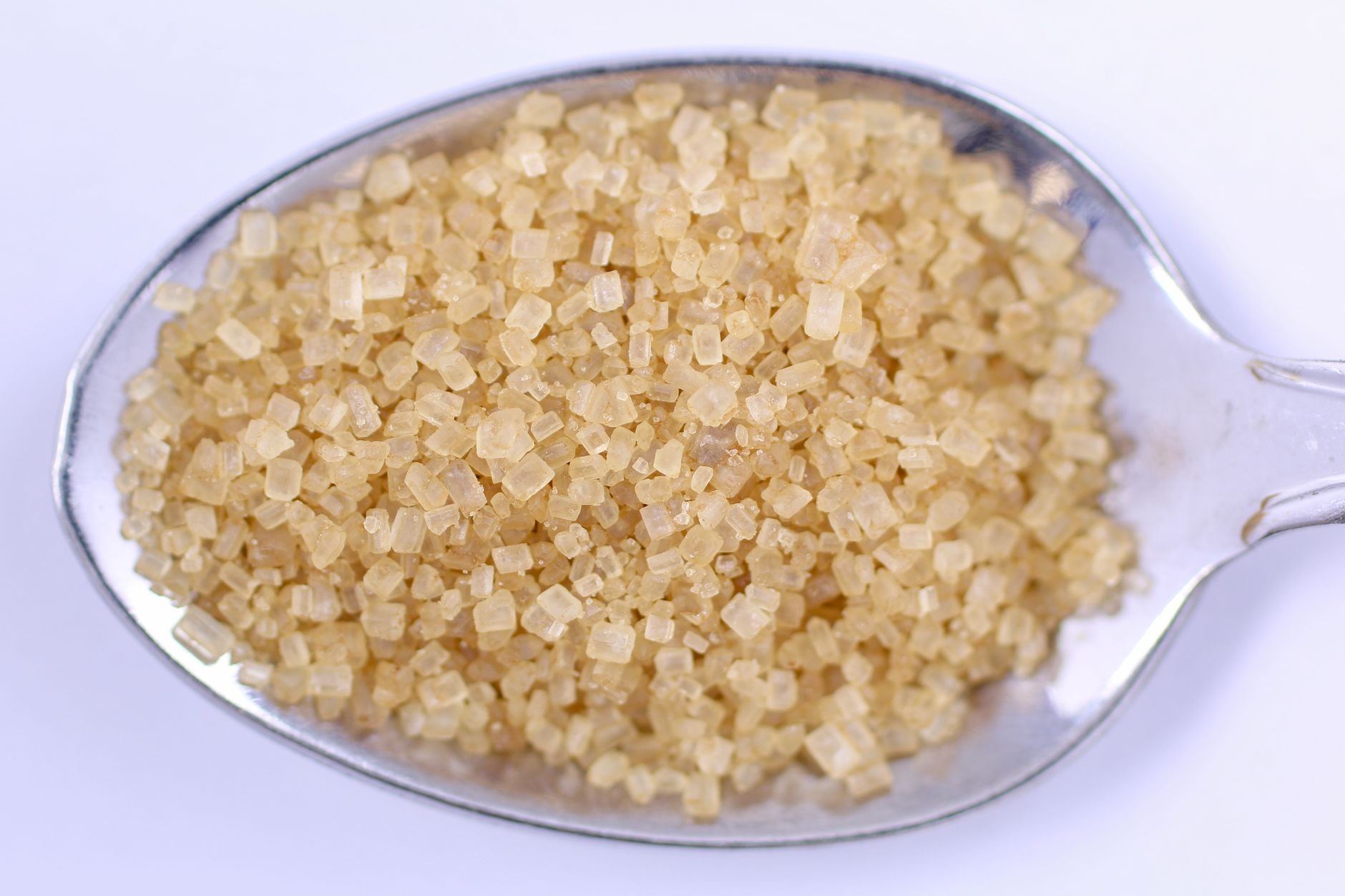
Brewers yeast is a vital ingredient in the brewing of beer and has also found its way into various culinary applications. Packed with nutrients and flavor, this versatile yeast offers a depth of taste, making it a popular choice for home cooks and professional chefs alike.
This guide will delve into what brewers yeast is, its ingredients, taste profile, and its many culinary uses. Whether you’re looking to add more flavor to your dishes or enhance your understanding of this ingredient, you’ll find the information you need.
What Is Brewers Yeast?
Brewers yeast is a type of yeast known scientifically as Saccharomyces cerevisiae. It is a single-celled fungus primarily used in the fermentation process of brewing beer, but it can also be utilized in baking and cooking. Brewers yeast ferments sugars into alcohol and carbon dioxide, giving beer its characteristic flavor and carbonation.
This yeast is often sold in various forms, including active dry flakes, powder, and liquid. While it’s primarily recognized for its role in brewing, brewers yeast is also acclaimed for its nutritional profile, making it a popular dietary supplement.
Ingredients and Nutritional Profile
Brewers yeast contains a wealth of nutrients beneficial to health. While the specific composition can vary depending on the processing method, here are some of the essential components typically found in brewers yeast:
- Protein: Rich in protein, brewers yeast can contain up to 50% protein by weight, making it an excellent source for those looking to boost their intake.
- B Vitamins: It is packed with B vitamins, including B1 (thiamine), B2 (riboflavin), B3 (niacin), B5 (pantothenic acid), B6 (pyridoxine), and B7 (biotin).
- Minerals: Brewers yeast is a good source of essential minerals, including selenium, zinc, chromium, and iron.
- Beta-glucans: These are soluble fibers that may support immune system function.
Due to its nutrient density, brewers yeast is marketed as a dietary supplement that may provide several health benefits, including improved energy levels and enhanced gut health.
Taste Profile of Brewers Yeast
The taste of brewers yeast is typically described as nutty, slightly bitter, and somewhat cheesy. The flavor can be quite intense in its raw form, which is why it’s often recommended to incorporate it into dishes rather than consume it directly. The flavor profile can enhance various recipes, especially those that benefit from a savory touch.
Culinary Uses of Brewers Yeast
Brewers yeast is incredibly versatile and can be incorporated into a wide range of dishes. Here are some popular culinary applications:
Baking
In baking, brewers yeast can be used as a leavening agent in breads and pastries due to its ability to ferment sugars into carbon dioxide. It promotes the rise and gives baked goods a light texture. Here are some common uses:
- Yeast Breads: The most common application for brewers yeast, it helps create airy, flavorful loaves.
- Pizza Dough: It can produce a chewy crust, enhancing the overall texture and flavor.
- Pancakes and Waffles: Brewers yeast can be added to batters for a protein boost and a unique flavor.
Cooking
Brewers yeast adds depth to many savory dishes. Here are some ideas:
- Soups and Stews: Stir it into broths for a rich, umami flavor.
- Vegetable Dishes: Sprinkle brewers yeast over roasted or steamed vegetables for added flavor and nutrients.
- Dressings and Sauces: Mix it into homemade dressings or sauces for a cheesy, nutty note.
Snacks and Smoothies
Using brewers yeast in snacks and smoothies can provide both flavor and nutrition:
- Popcorn: Sprinkle it over popcorn for a cheesy snack without the cheese.
- Smoothies: Add a scoop to your morning smoothie for an extra nutrient punch without altering the flavor significantly.
Supplement Recipes
For those looking to utilize brewers yeast for its health benefits, consider these simple recipes:
- Energy Bites: Combine oats, nut butter, honey, and brewers yeast for energy-packed snacks.
- Protein Shakes: Incorporate it into protein shakes for added flavor and nutrition.
Substituting Brewers Yeast in Recipes
When using brewers yeast in recipes, you might wonder about suitable substitutes. Depending on the recipe you are working with, here are a few alternatives:
- Bread Yeast (Active Dry or Instant): Can be used in equal amounts for baking purposes. It may alter the flavor profile slightly.
- Nutritional Yeast: This can work as a flavor substitute due to its cheesy taste, especially in snacks and savory dishes.
- Active Dry Yeast: If baking, this can be a straightforward alternative, but it won’t have the same nutrients found in brewers yeast.
Common Mistakes and Troubleshooting
Using brewers yeast may not be straightforward for everyone. Here are some common mistakes and tips for success:
- Using Too Much Yeast: Adding more than the recommended amount can lead to overly potent flavors and textures. Always adhere to recipe recommendations.
- Neglecting to Activate: When using active dry brewers yeast, be sure to hydrate it in warm water before adding it to your mixture to activate its leavening power.
- Storing Improperly: Keep brewers yeast in a cool, dry place, and always seal it tightly to maintain freshness.
Make-Ahead Guidance
Some recipes allow for make-ahead options:
- Pizza Dough: Prepare your dough in advance and freeze it. Allow it to thaw in the refrigerator before use.
- Bread: You can also make bread dough ahead of time, store it in the refrigerator for up to 48 hours, and then bake it when ready.
Storage and Shelf Life
For optimal freshness, store brewers yeast in a cool, dark place in an airtight container. Although the exact shelf life can vary, when stored correctly, it can last up to two years. After opening, you should consume it within a few months to maintain its flavor and potency.
Conclusion
Brewers yeast is a flavorful and nutritious ingredient that can elevate numerous dishes, from baked goods to savory snacks. Understanding its uses, flavors, and storage will enhance your culinary repertoire. Whether you’re brewing beer, baking bread, or experimenting with new recipes, consider integrating brewers yeast into your cooking.
As you explore this ingredient, you may also find interest in discovering what is a good substitute for rosemary or understanding what molasses is made from and how to use it effectively in your dishes.