
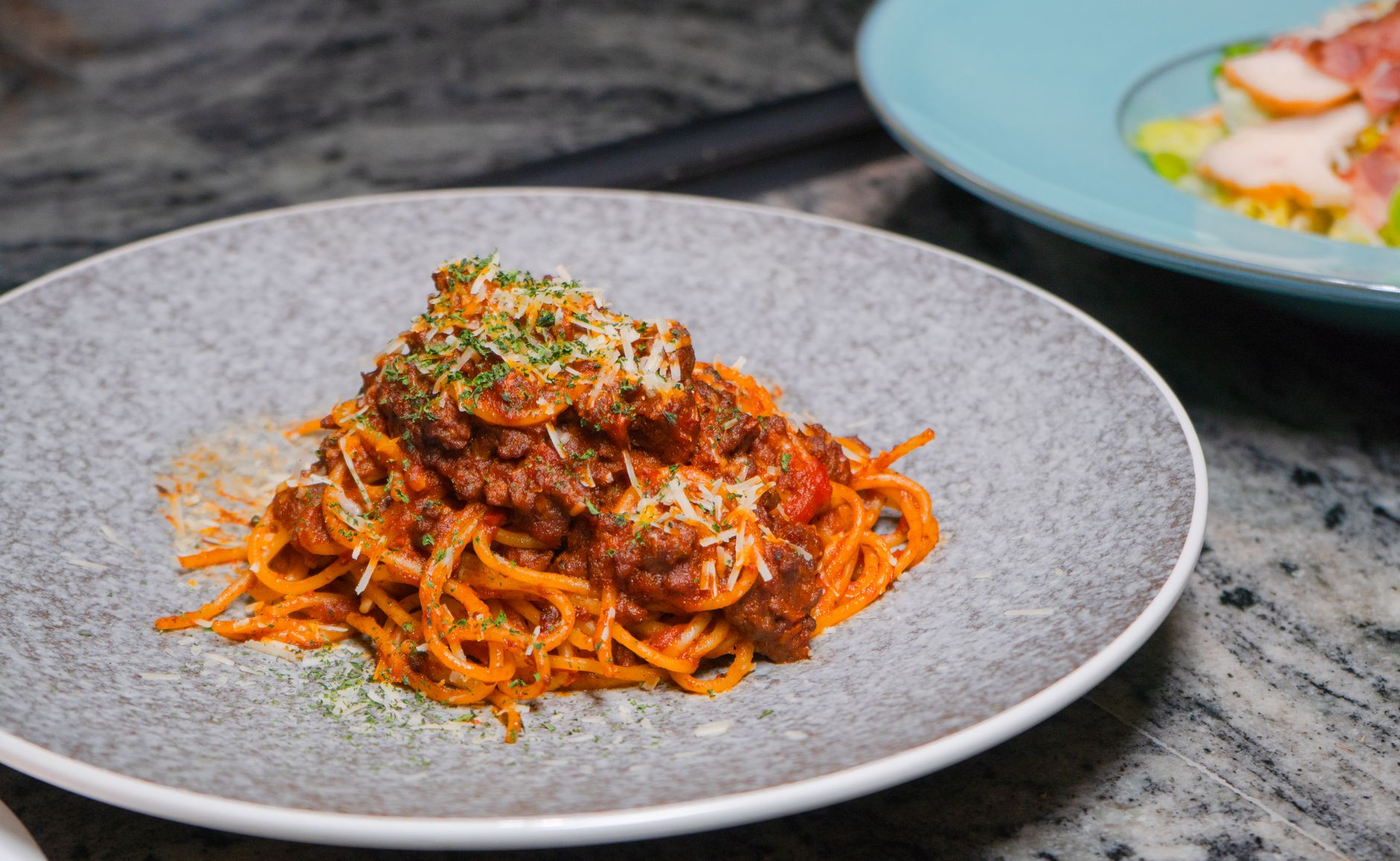
As gluten-free diets become more common, many people are investigating which processed foods are safe to enjoy. One popular brand that often comes up is Ragu, especially its spaghetti sauce. Understanding whether Ragu spaghetti sauce is gluten-free can help those with gluten sensitivities make better choices.
This article delves into Ragu’s formulations, scrutinizing labels, highlighting ingredient concerns, and providing practical tips for those seeking gluten-free options. Whether you’re a fan of spaghetti or simply looking to make informed decisions, read on for comprehensive details.
Is Ragu Spaghetti Sauce Gluten Free?
Ragu spaghetti sauce is commonly considered gluten-free, but not all varieties are. Some products contain gluten-related ingredients which could pose risks for individuals with gluten sensitivities. Always check specific product labels for the most accurate information.
Understanding Gluten and Its Sources
Gluten is a protein found in wheat, barley, and rye. It is often present in many sauces, dressings, and processed foods. For those with celiac disease or gluten intolerance, even small amounts of gluten can trigger uncomfortable symptoms.
Gluten in Sauces
Many commercial spaghetti sauces may include gluten as a thickening agent or from additives that might not be immediately obvious on a label. This highlights the importance of always reading ingredient lists, especially if you are sensitive to gluten.
Possible Ingredients in Ragu Spaghetti Sauce
- Tomato pureé
- Water
- Onion
- Garlic
- Herbs and spices
- Vinegar
- Sugar
- Salt
- Gluten-based thickeners (in some varieties)
Current Ragu Varieties and Gluten Content
Ragu offers a wide variety of spaghetti sauces, each with its unique blend of ingredients. Here’s a breakdown of several popular options that may include gluten-containing substances.
Ragu Classic Pasta Sauce
This traditional sauce is primarily made from tomatoes, onions, and spices. Most versions are considered gluten-free given their straightforward ingredient list. However, double-check the label to ensure no gluten-containing thickeners are used.
Ragu Homestyle Pasta Sauce
This variant contains additional herbs and spices, providing a richer flavor. Like the classic sauce, it typically does not contain gluten, but confirm by reading the ingredient label on your specific jar.
Ragu Chunky Pasta Sauce
The chunky variation incorporates more vegetables and chunks of tomatoes. Generally regarded as gluten-free, as with all varieties, it’s wise to check the label for any changes in formulation.
Ragu Simply Varieties
The Ragu Simply line is designed with minimal ingredients, typically avoiding preservatives and additives. These sauces are often gluten-free, though checking the packaging is a prudent choice.
Checking Labels for Gluten-Free Certification
When examining Ragu products, look for gluten-free certifications. Some items may also carry a “may contain” statement that indicates possible cross-contamination during the manufacturing process. This is crucial for those with severe allergies.
Ragu’s Gluten-Free Labeling Policy
Ragu is committed to transparency regarding its ingredients. If a product is certified gluten-free, it will be prominently displayed on the label. However, because formulations can change, always read the label before purchasing.
Ingredients to Watch Out For
While many of Ragu’s sauces may be gluten-free, certain ingredients can still present challenges. Here’s what to look for:
- Modified Food Starch: Often derived from corn, it can also come from wheat. If present, it should specify the source.
- Natural Flavors: This can be a catch-all term that might include gluten, so look for more detailed labeling.
- Thickeners: Some sauces use gluten-based thickeners. Confirm the source if listed.
Alternative Sauces for Gluten-Free Diets
If you are looking for alternatives, several other brands offer gluten-free spaghetti sauces. These alternatives typically have “gluten-free” clearly marked on their labels. Here are a few brands to consider:
- Classico
- Newman’s Own
- Muir Glen
- Primal Kitchen
Making Your Own Gluten-Free Spaghetti Sauce
For absolute certainty regarding gluten, consider preparing your own spaghetti sauce. It allows you to control every ingredient. Here’s an easy recipe to get you started:
Homemade Gluten-Free Spaghetti Sauce Recipe
This simple and delicious homemade spaghetti sauce requires minimal effort and ingredients. It’s perfect for pasta lovers looking for gluten-free options.
Yield: 4 servings
Preparation Time: 10 minutes
Cooking Time: 30 minutes
Total Time: 40 minutes
Ingredients
- 2 tablespoons olive oil
- 1 medium onion, diced
- 3 cloves garlic, minced
- 2 cans (14.5 ounces each) diced tomatoes (no added gluten ingredients)
- 1 tablespoon tomato paste
- 1 teaspoon dried basil
- 1 teaspoon dried oregano
- Salt and pepper to taste
Essential Equipment
- Large saucepan
- Wooden spoon
- Knife and chopping board
Instructions
- In a large saucepan, heat olive oil over medium heat.
- Add diced onion and sauté for about 5 minutes until softened.
- Add minced garlic and cook for an additional minute until fragrant.
- Stir in the diced tomatoes, tomato paste, basil, and oregano.
- Simmer the sauce on low heat for approximately 30 minutes. Stir occasionally.
- Season with salt and pepper to taste before serving.
Storage and Reheating Tips
Store leftover sauce in an airtight container in the refrigerator for up to five days. You can also freeze it for longer storage, up to three months. When reheating, do so slowly in a saucepan over low heat.
Common Mistakes to Avoid
When navigating gluten-free spaghetti sauces, keep these tips in mind:
- Read labels every time you buy. Ingredients may change, affecting gluten content.
- Don’t rely solely on marketing claims; always verify with labels.
- Be cautious of cross-contamination, especially in restaurants.
Helpful Allergy and Meal Planning Tips
Planning meals when following a gluten-free diet can seem daunting. Here are some tips to make it easier:
- **Meal Prep:** Prepare gluten-free sauces in batches and store them for quick meals.
- **Incorporate Whole Foods:** Focus on whole grains, fruits, and vegetables that are naturally gluten-free.
- **Plan Ahead:** Check restaurant menus beforehand and ask about ingredients if dining out.
Ragu’s Response to Gluten Sensitivities
Ragu is proactive in addressing gluten sensitivities. Their website includes resources for those with dietary restrictions, ensuring that customers can make safe choices. If you have questions about a specific product, contact Ragu directly for clarity.
Will Ragu Change Their Formulations?
Like any brand, Ragu may alter formulations over time based on consumer feedback and trends. Regularly check product labels and Ragu’s website for the latest updates on their gluten-free status.
Conclusion
Ragu spaghetti sauce can be a convenient option for those looking for gluten-free choices, depending on the specific product selected. Always read ingredient labels to ensure safety and consider making homemade alternatives when in doubt. Enjoy spaghetti with peace of mind by staying informed about your sauce options.
If you’re interested in more gluten-free options, consider exploring recipes like gluten-free gnocchi or diving into meal prep with tips on grains by checking out whether rice is fattening.