
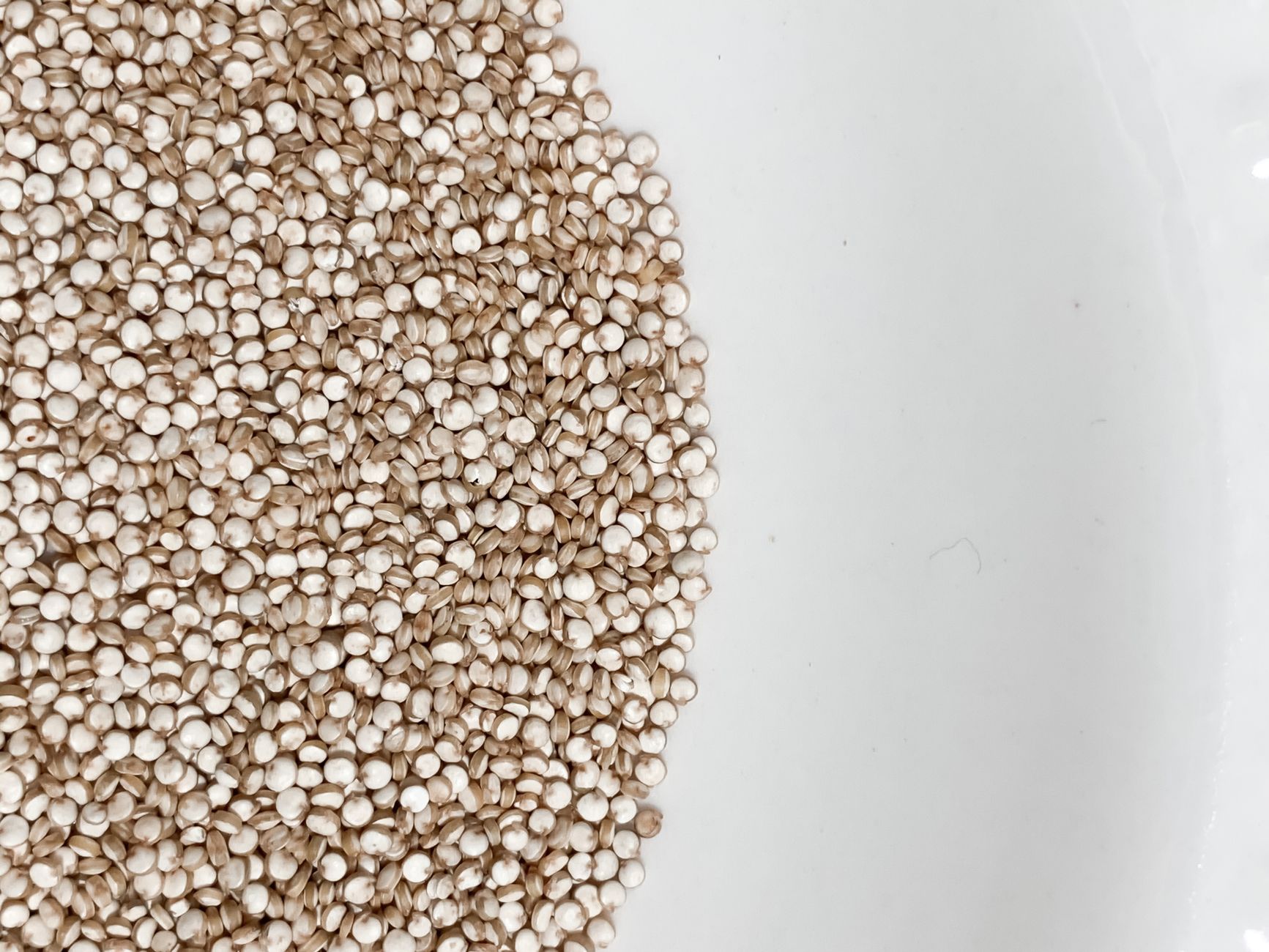
The question of whether quinoa is wheat may arise from its use as a grain-like food source and its similar culinary applications. However, quinoa is not wheat; it is classified as a pseudo-cereal. This distinction is important for dietary preferences, especially for those with gluten sensitivities or celiac disease.
Understanding the differences between quinoa and wheat can help you make informed choices about your meals. This article will explore the characteristics of quinoa, its uses in cooking, and how to incorporate it into a balanced diet.
Is Quinoa Wheat?
No, quinoa is not wheat. Quinoa (Chenopodium quinoa) is a flowering plant in the amaranth family and produces seeds that are consumed as a grain. Unlike wheat, quinoa is gluten-free, making it a suitable option for those with gluten intolerance.
Characteristics of Quinoa
Quinoa has gained popularity in recent years due to its versatile flavor and impressive nutritional profile. Here are some defining characteristics of quinoa:
- Grain-like Seed: Although it is often referred to as a grain, quinoa is technically a seed from the quinoa plant. It is most commonly used as a grain substitute in various recipes.
- Nutritional Profile: Quinoa is rich in protein, containing all nine essential amino acids. It’s also a source of fiber, vitamins (such as B vitamins), and minerals (including magnesium, iron, and zinc).
- Flavor and Texture: Quinoa has a mild, slightly nutty flavor with a fluffy yet slightly chewy texture once cooked. This makes it an excellent base for salads, side dishes, and more.
- Culinary Versatility: Quinoa can be used in both savory and sweet dishes, from salads and grain bowls to breakfast porridge and baking.
Cooking with Quinoa
Cooking quinoa is straightforward, making it an excellent option for those looking to incorporate healthier grains into their meals. To prepare quinoa, follow these steps:
Basic Quinoa Cooking Method
To cook quinoa perfectly, you’ll need the following ingredients:
- 1 cup quinoa
- 2 cups water or broth
- Salt (to taste)
Essential Equipment
- Measuring cups
- Medium saucepan with a lid
- Spoon or spatula
Cooking Steps
- Rinse the Quinoa: Place the quinoa in a fine-mesh strainer and rinse it under cold water for about 30 seconds. This step helps remove the natural coating called saponin, which can make quinoa taste bitter.
- Combine with Water: In a medium saucepan, combine the rinsed quinoa, water (or broth), and a pinch of salt.
- Bring to a Boil: Bring the mixture to a boil over high heat.
- Simmer: Once boiling, reduce the heat to low, cover, and let the quinoa simmer for about 15 minutes or until all the liquid has been absorbed.
- Fluff and Serve: Remove the pot from heat and let it stand for 5 minutes. Fluff the quinoa with a fork before serving.
Substitutions for Quinoa
If you’re looking for alternatives to quinoa in your cooking, consider the following options:
- Rice: Brown or white rice can act as a substitute, though they lack the same protein content as quinoa.
- Couscous: A pasta made from wheat, couscous has a similar texture and can be used in salads.
- Freekeh: Young green wheat that has been harvested and roasted. It has a nutty flavor and chewy texture.
- Millet: A gluten-free grain that can replace quinoa in many recipes, providing a similar texture.
Common Mistakes When Cooking Quinoa
To ensure the best results when cooking quinoa, avoid these common mistakes:
- Skipping the Rinse: Always rinse quinoa before cooking to eliminate the bitter taste of saponins.
- Incorrect Water Ratio: Using too much or too little water can result in overly soggy or undercooked quinoa; stick with the 2:1 ratio.
- Overcooking or Undercooking: Monitor the cooking time carefully to prevent mushiness or crunchiness. The quinoa should be fluffy and tender.
Incorporating Quinoa into Your Diet
Quinoa’s nutritional benefits make it a great addition to various meals. Here are some creative ways to use quinoa:
Breakfast
Start your day with a quinoa breakfast bowl by cooking quinoa in almond milk and topping it with fresh fruit, nuts, and a drizzle of honey or maple syrup.
Lunch
Quinoa can be used in salads, like a Mediterranean quinoa salad, by combining cooled cooked quinoa with cucumbers, tomatoes, red onion, feta cheese, olives, and a lemon-olive oil dressing.
Dinner
Use quinoa as a base for grain bowls, paired with roasted vegetables, protein (such as chicken, tofu, or beans), and a flavorful sauce like tahini or chimichurri.
Snacks
Quinoa can be turned into snacks by creating quinoa patties or fritters. Combine cooked quinoa with eggs, veggies, and spices, then pan-fry until crispy. Serve with a yogurt dip for added flavor.
Baking
Quinoa flour (milled quinoa) can be substituted for part of the all-purpose flour in baking goods like pancakes and muffins, adding a nutritious boost. Note that it may create a denser texture.
Storage and Reheating
To store cooked quinoa, follow these guidelines:
- Refrigeration: Store cooked quinoa in an airtight container in the refrigerator for up to 5 days.
- Freezing: For longer storage, freeze cooked quinoa in a resealable bag for up to 3 months. Make sure to remove excess air before sealing.
- Reheating: Reheat quinoa in the microwave or on the stovetop over low heat. Add a splash of water to prevent drying out.
Health Benefits of Quinoa
The health benefits of quinoa are significant, making it a worthwhile inclusion in your diet. Some benefits include:
- High in Protein: Quinoa is a complete protein, which is rare among plant foods. It provides essential amino acids that contribute to muscle health and maintenance.
- Rich in Fiber: This seed is high in fiber, supporting digestive health and aiding in blood sugar regulation.
- Packed with Nutrients: Quinoa is a good source of vitamins and minerals, including magnesium and iron, which are essential for overall health.
- Antioxidant Properties: This pseudo-cereal contains antioxidants that can help reduce inflammation and combat oxidative stress.
Digging Deeper: Quinoa Varieties
There are several varieties of quinoa, each with unique characteristics. The most common include:
- White Quinoa: The most widely available and has a mild flavor. It cooks quickly and is versatile.
- Red Quinoa: Has a nuttier flavor and is chewier than white quinoa. It holds its shape well, making it suitable for salads.
- Black Quinoa: Offers a slightly sweet flavor with a crunchy texture. It can be a striking addition to various dishes with its dark color.
Quinoa in a Global Context
Quinoa is a staple in various cuisines, especially in South America, where it has been cultivated for thousands of years. In countries like Bolivia and Peru, quinoa is traditionally prepared in savory dishes or served with meats.
As quinoa has gained international acclaim, it has been incorporated into diverse culinary traditions, creating unique dishes that highlight its versatility.
Possible Allergens and Dietary Restrictions
While quinoa is gluten-free, it is essential to check for cross-contamination if you have celiac disease or gluten sensitivity. Most commercially available quinoa is safe, but it’s wise to read labels carefully.
Quinoa is also a high-fiber food; individuals on low-fiber diets should introduce it gradually to avoid digestive discomfort.
Conclusion
Quinoa is a nutritious, gluten-free alternative to wheat and offers a wealth of health benefits that make it a valuable addition to many meals. Whether you’re looking to enhance a salad, replace rice, or explore new breakfast ideas, quinoa’s versatility can meet various dietary needs.
To diversify your cooking, consider exploring other grains and pseudo-cereals like farro or buckwheat, as they have unique flavors and nutritional profiles as well!