
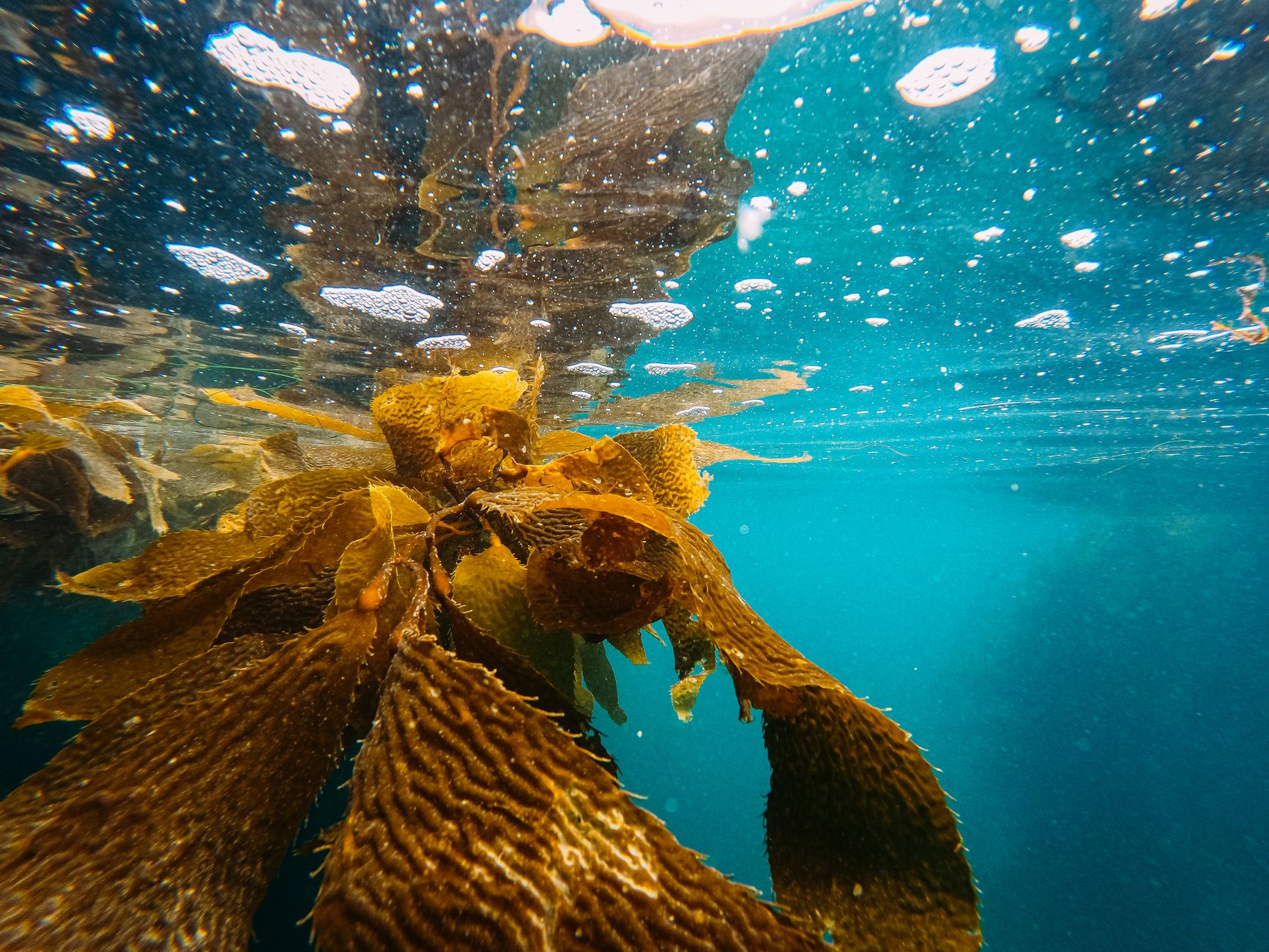
Kelp, often seen in salads, sushi, and as a health supplement, raises a common question: Is it a vegetable? While kelp is a plant, it does not fit the typical definition of a vegetable as it belongs to the category of seaweeds and algae. This article delves into the nutrition, culinary uses, and general understanding of kelp.
Understanding whether kelp is classified as a vegetable requires a look at the differences between vegetables and other plant varieties. This article will also cover its nutritional benefits, cooking methods, and versatile uses in the kitchen.
Is Kelp a Vegetable?
No, kelp is not considered a vegetable; it is classified as marine algae. More specifically, it belongs to the brown algae group known as Phaeophyceae. While it is utilized similarly to vegetables in cooking, it is important to recognize its distinct classification within the plant kingdom.
What is Kelp?
Kelp refers to a variety of large, brown seaweeds found in underwater forests in shallow ocean waters. It grows rapidly, sometimes reaching lengths of up to 150 feet. Kelp is rich in nutrients and has been consumed for centuries in various cultures for its health benefits and culinary applications.
Nutritional Benefits of Kelp
Kelp is celebrated for its dense nutrient content. It offers numerous vitamins and minerals that contribute to a balanced diet.
- Vitamins: Kelp is a rich source of vitamins A, C, E, and K, which are essential for maintaining healthy skin, vision, and proper coagulation of blood.
- Minerals: It is particularly high in iodine, which is vital for thyroid function, as well as calcium, magnesium, and iron.
- Antioxidants: Kelp contains important antioxidants, such as flavonoids, that help protect cells from damage caused by free radicals.
- Dietary Fiber: The fiber found in kelp aids digestion and promotes gut health.
Culinary Uses of Kelp
Kelp has a versatile range of culinary applications. Its briny, ocean-like taste can enhance many dishes.
Types of Kelp
Various species of kelp are available, each offering distinct flavors and textures. Some popular types include:
- Kombu: Often used in Japanese cuisine, particularly for making dashi (a type of broth).
- Nori: Commonly used for wrapping sushi rolls.
How to Incorporate Kelp into Your Cooking
Here are some practical ways to include kelp in your meals:
- Soups and Broths: Add kombu to simmering broths for a umami boost.
- Salads: Use rehydrated wakame in salads for added texture and flavor.
- Sushi: Wrap sushi rolls with nori or incorporate it into rice for a hint of ocean flavor.
- Seasoning: Ground dried kelp can serve as a seasoning in various dishes, enhancing flavor while adding nutrients.
Preparing Kelp for Use
To get the most out of kelp, preparation is vital. Here’s how to prepare different types of kelp for cooking:
Preparing Kombu
- Start with dried kombu. Rinse it briefly to remove any salt.
- Soak the kombu in water for 20-30 minutes to rehydrate.
- Use the soaked kombu in soups, making sure to remove it before serving unless you want to consume it.
Preparing Wakame
- Obtain dried wakame and rinse it swiftly to remove any excessive salt or debris.
- Soak it in water for about 10 minutes until it swells and softens.
- Drain excess water and add to salads or soups as desired.
Preparing Nori
- For sheets of nori, store them in an airtight container to maintain crispness.
- Toast them briefly over a flame for added flavor, or use them directly in sushi.
Practical Substitutions for Kelp
If you’re out of kelp or looking for alternatives, consider the following substitutions:
- For Dashi: Use a combination of shiitake mushrooms and soy sauce to replicate the umami profile.
- For Salads: You might use other sea vegetables like dulse or arame instead of wakame.
- For Sushi: Consider using thinly sliced cucumber or lettuce leaves if nori is unavailable, though the flavor will differ significantly.
Common Mistakes When Cooking with Kelp
Even with its many advantages, certain pitfalls can detract from the culinary experience. Here are common mistakes to avoid:
- Over-Soaking: Soaking kelp for too long can result in a slimy texture; follow listed soaking times instead.
- Using Too Much: Start with small amounts and gradually adjust, as kelp’s flavor can be quite potent.
- Ignoring Allergies: Kelp is generally safe but can cause allergic reactions; check for specific seaweed allergies before using.
Storage and Shelf Life of Kelp
The storage of kelp depends on its form. Dried kelp can be kept for extended periods while fresh forms have a shorter shelf life.
- Dried Kelp: Store in a cool, dry place, ideally in an airtight container. They can last for up to two years.
- Fresh Kelp: Refrigerate in a damp cloth or in an airtight bag and consume within a week for the best quality.
- Rehydrated Kelp: Use rehydrated kelp immediately or store in the refrigerator for no more than two days.
Health Considerations
While kelp is beneficial, it also has some health considerations. Its high iodine content can be excessive if consumed in large quantities:
- Thyroid Health: Those with thyroid issues or on certain medications should consult a healthcare provider before increasing kelp intake.
- Heavy Metals: Like many marine plants, kelp can absorb heavy metals from water; sourcing from reliable suppliers is important.
Cooking Techniques Involving Kelp
Understanding different cooking techniques can elevate the use of kelp in your dishes.
Simmering
Simmering with kelp can extract flavors for broths which serve as the base for various soups.
- Commonly combined with other umami ingredients like mushrooms or bonito flakes, offering depth in flavor.
Steaming
Steaming kelp allows it to retain moisture and nutrients, providing a healthier dish option.
- Combine with vegetables for a quick, nutritious side dish.
Grilling
Grilling nori adds a smoky flavor that can enhance sushi or other vegetable wraps.
- Keep a close eye as they can crisp up quickly and become brittle.
Recipes Featuring Kelp
Here are two quick recipe ideas featuring kelp:
Kelp Salad
This refreshing salad showcases wakame, bringing a lightness and unique flavor.
- Ingredients:
- ½ cup dried wakame
- 1 cup thinly sliced cucumber
- 2 tbsp rice vinegar
- 1 tbsp soy sauce
- 1 tsp sesame oil
- 1 tsp toasted sesame seeds
- Optional: sliced avocado
- Method:
- Soak the wakame in warm water for 10 minutes; drain and chop.
- In a bowl, combine cucumber, wakame, rice vinegar, soy sauce, sesame oil, and sesame seeds.
- If desired, add avocado slices and serve chilled.
Kombu Broth
This savory broth is perfect for soups or as a cooking base.
- Ingredients:
- 1 piece (about 4 inches) of kombu
- 4 cups water
- Optional: shiitake mushrooms, scallions, and garlic for enhanced flavors
- Method:
- Soak the kombu in water for 20-30 minutes.
- In a pot, add soaked kombu with water; bring to a simmer.
- Optional: Add shiitake mushrooms, scallions, and garlic, and simmer for about 20 minutes.
- Remove kombu and strain the broth before using.
Conclusion
Kelp is not a vegetable, but it offers an array of culinary and nutritional benefits due to its rich mineral content and unique flavor profile. From soups and salads to innovative sushi, incorporating kelp can elevate your dishes. As you experiment with this nutritious seaweed, keep in mind preparation methods, storage, and potential health considerations.
For further exploration, consider diving into related topics like what constitutes a vegetable and learning about chard in various culinary applications. Explore the nuances of cucumbers and their uses as a vegetable option that complements your meals.
Check out what constitutes a cucumber as a vegetable and the culinary uses of chard for more ingredient insights.