
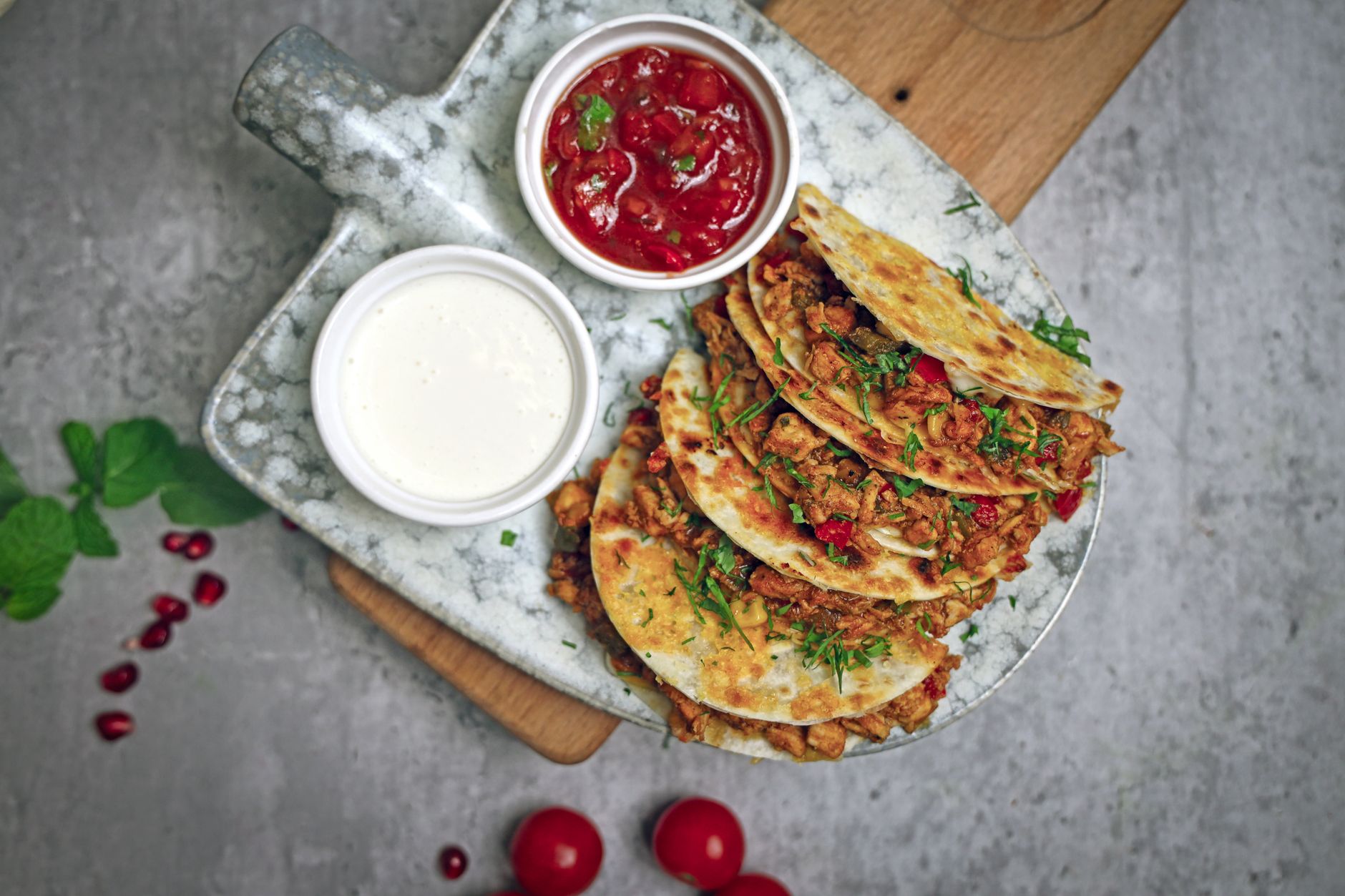
Quesadillas are a popular dish that many associate with Mexican cuisine, but their origins and variations have evolved over time. As a simple yet delicious combination of tortillas and cheese, quesadillas are cooked in various ways and can be filled with different ingredients. This article explores the Mexican roots of quesadillas, their cultural significance, and creative serving ideas.
Quesadillas have made their mark as a favored street food, casual snack, or a prominent dish in Mexican homes. By understanding their history and versatility, we can appreciate the nuances of this beloved food.
Is Quesadilla Mexican?
Yes, quesadillas are indeed a traditional Mexican dish. Originating from Mexico, quesadillas typically consist of a tortilla filled with cheese and optionally include various other ingredients, such as meats, beans, or vegetables. They are often cooked on a griddle, allowing the cheese to melt and the tortilla to crisp.
The Origin of Quesadillas
The term “quesadilla” comes from the Spanish word “queso,” meaning cheese. While the modern version most commonly uses flour or corn tortillas, the dish’s roots can be traced back to the indigenous peoples of Mexico, who utilized maize (corn) to create various flatbreads.
Originally, quesadillas were simple tortillas filled with melted cheese. Over time, regional variations emerged, with different fillings and cooking methods enhancing their flavor and texture. The dish has evolved into different forms throughout Mexico, becoming a staple in its culinary repertoire.
Types of Quesadillas
Quesadillas vary significantly depending on the region, ingredients used, and styles of preparation. Some of the most common types include:
- Quesadilla de Maíz: Made with corn tortillas, these are often preferred in southern Mexico.
- Quesadilla de Harina: Made with flour tortillas, they are more common in northern Mexico.
- Quesadilla Con Chicharrón Prensado: This variation includes crispy pork cracklings for a crunchy texture.
- Quesadilla Huitlacoche: This unique option features huitlacoche, a corn fungus that offers an earthy flavor.
- Quesadillas Rojas: These are made with red tortillas, often incorporating ingredients like tomatoes or chili powder into the dough.
Common Ingredients in Quesadillas
While cheese remains the star ingredient in a quesadilla, it can be paired with a variety of fillings. Here’s a list of common ingredients used in quesadillas:
- Cheese: Popular choices are Oaxaca cheese, Chihuahua cheese, or aged cheddar.
- Meat: Chicken, beef, pork, or seafood may be included.
- Vegetables: Bell peppers, onions, mushrooms, or spinach often enhance the flavor.
- Beans: Black beans or refried beans add heartiness and protein.
- Sauces: Salsas or guacamole are commonly served as dips.
Making Quesadillas at Home
Creating quesadillas at home is simple and allows for customization. Here is an easy recipe to make basic cheese quesadillas, along with tips for preparing delicious variations.
Yield and Timing
Yield: 4 servings
Preparation time: 10 minutes
Cooking time: 10 minutes
Total time: 20 minutes
Ingredients
- 8 small flour or corn tortillas
- 2 cups shredded cheese (Oaxaca or Chihuahua is recommended)
- 1 cup cooked and diced chicken (optional)
- 1/2 cup diced bell peppers (optional)
- 1/4 cup chopped fresh cilantro (optional)
- Cooking spray or 1-2 tablespoons of oil for greasing the pan
- Salsa or guacamole for serving
Essential Equipment
- Large skillet or griddle
- Spatula
- Knife and cutting board (if adding additional fillings)
Step-by-Step Instructions
- Heat the skillet over medium heat. Add a little oil or spray with cooking spray to prevent sticking.
- Place one tortilla in the skillet. Sprinkle about 1/4 cup of cheese evenly over the tortilla.
- If desired, layer in additional fillings (chicken, bell peppers, or cilantro).
- Top with a second tortilla and press down gently.
- Cook for 3-4 minutes, or until the bottom tortilla is golden brown and the cheese starts to melt.
- Carefully flip the quesadilla and cook for another 3-4 minutes until both sides are crispy.
- Remove from the skillet and let cool for a minute. Cut into wedges and serve with salsa and guacamole.
Tips for Perfect Quesadillas
To elevate your quesadilla-making skills, consider these tips:
- Use a combination of cheeses for a richer flavor and better melt. A blend of cheeses will often yield the best results.
- Don’t overfill your quesadilla to prevent spillage during cooking.
- Experiment with different tortillas; corn for traditional flavor or flour for a softer bite.
- Cook on medium heat to ensure the cheese melts while the tortilla crisps without burning.
- For extra crispy edges, brush the outside of the tortillas with melted butter before frying.
Common Mistakes to Avoid
As with many cooking processes, making quesadillas can also have pitfalls. Here are some common mistakes to avoid:
- Using the wrong type of cheese: Some cheeses may not melt well, leading to a disappointment in texture.
- Overloading the filling: This can make flipping difficult or result in a messy quesadilla.
- Not preheating the skillet adequately: A hot skillet is crucial for achieving crispy tortillas while melting the cheese inside.
- Forgetting to cover the quesadilla while cooking: This can help the cheese melt more evenly.
Creative Variations
Quesadillas can be personalized in many creative ways. Here are some variations to try:
- Breakfast Quesadilla: Add scrambled eggs, chorizo, and cheese for a filling breakfast option.
- Vegetable Quesadilla: Combine spinach, mushrooms, zucchini, and cheese for a vegetarian twist.
- BBQ Chicken Quesadilla: Mix shredded chicken with barbecue sauce for a smoky flavor.
- More than Cheese: Incorporate fruits like sliced apples or pears for a sweet-and-savory experience.
Serving Ideas
When it comes to serving quesadillas, the possibilities are vast. Here are some ideas:
- Cut quesadillas into wedges for easy sharing and dipping.
- Serve with various sauces: salsa, guacamole, or sour cream to enhance flavor.
- Pair quesadillas with a fresh salad for a balanced meal.
- Offer a selection of toppings, such as shredded lettuce, fresh tomatoes, or jalapeños.
Storing and Reheating Quesadillas
Leftover quesadillas can be stored in the refrigerator for up to three days. To reheat, follow these steps:
- Microwave: Place quesadillas on a microwave-safe plate and cover with a damp paper towel. Heat on medium power in short intervals until warmed through.
- Skillet: Reheat in a preheated skillet over low heat, flipping occasionally, until heated through.
- Oven: Preheat to 350°F (175°C), and place quesadillas on a baking sheet. Heat for 10-15 minutes until heated through.
The Cultural Significance of Quesadillas
Quesadillas are more than a simple meal; they also represent a cultural bond among families and communities in Mexico. Often prepared during special occasions, holidays, or family gatherings, quesadillas bring people together.
They are often sold by street vendors, known as ‘quesadilleros,’ who serve freshly made quesadillas to eager customers. This showcases the emphasis on local, fresh ingredients and traditional cooking methods in Mexican culture.
Final Thoughts on Quesadillas
Quesadillas are a testament to the rich culinary traditions of Mexico. Their adaptability allows for creative fillings and delightful pairings that can cater to any palate. Whether enjoyed as a quick snack, a hearty meal, or a festive gathering dish, quesadillas hold a special place in the hearts of many.
For those looking to explore more delicious meals, consider trying out a Taco Bell Chicken Quesadilla recipe or indulge in a warm Mexican Hot Chocolate to complement your quesadilla experience.