
Caffeine is a popular compound found in various beverages, notably coffee and energy drinks. Understanding the caffeine content in these drinks can help consumers make informed choices that align with their energy needs and preferences.
This article explores the caffeine levels in both coffee and energy drinks, breaking down their differences, and providing insights into what you might choose when looking for a caffeine boost.
Does Coffee Have More Caffeine Than Energy Drinks?
In general, coffee tends to have more caffeine than energy drinks when measured by volume. A typical 8-ounce cup of brewed coffee can contain around 95 mg of caffeine, while an 8-ounce serving of an energy drink often ranges from 70 to 100 mg. However, some energy drinks can also exceed this amount, complicating the comparison.
Understanding Caffeine Content
Caffeine content can vary significantly between different types of coffee and energy drinks. A thorough understanding of these variations helps consumers choose the right beverage for their needs.
Coffee: General Caffeine Content
When exploring coffee, it’s important to differentiate among brewing methods and types of coffee beans:
- Drip Coffee: A standard 8-ounce cup can contain approximately 95 mg of caffeine.
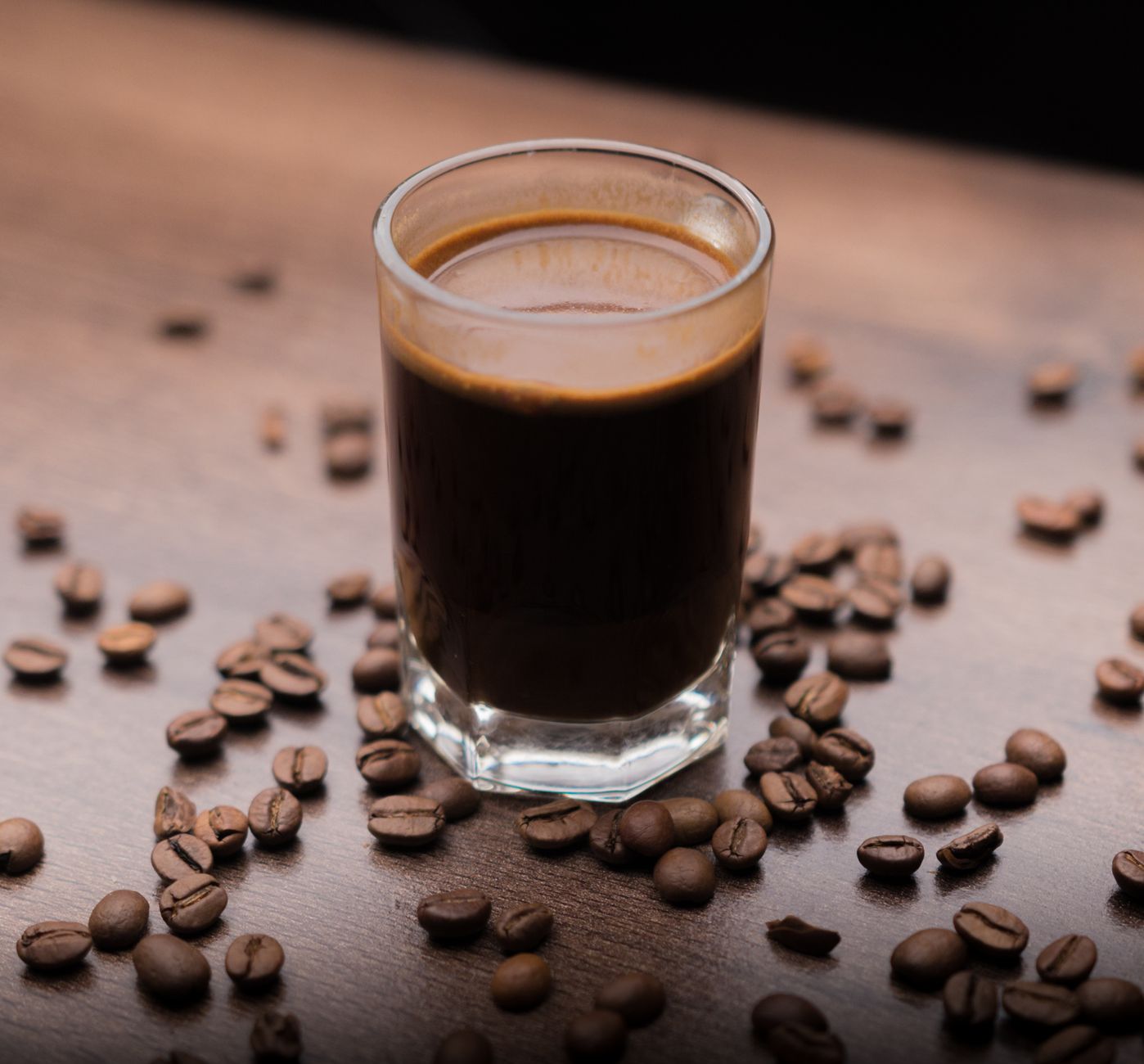
- Espresso: Typically, one shot (1 ounce) of espresso has about 63 mg of caffeine. However, espresso is consumed in smaller quantities.
- Instant Coffee: An 8-ounce cup of instant coffee usually contains about 30 to 90 mg of caffeine.
- Cold Brew: Cold brew coffee often has a higher caffeine content due to the brewing time; an 8-ounce serving may contain around 100 to 200 mg depending on the steeping process.
Energy Drinks: General Caffeine Content
Energy drinks can also vary widely, but they typically contain added stimulants that can enhance their effects:
- Standard Energy Drinks: An 8-ounce serving usually contains between 70 to 100 mg of caffeine.
- Enhanced Energy Drinks: Some products on the market can contain up to 160 mg of caffeine per 8-ounce serving.
- Shots and Concentrated Forms: Energy shot products can deliver even higher doses of caffeine, sometimes exceeding 300 mg per serving.
Factors Affecting Caffeine Content
The caffeine content in both coffee and energy drinks can be influenced by various factors, including:
- Brewing Method: The longer coffee brews, the more caffeine it extracts. For energy drinks, the formulation and the additives used can affect caffeine levels.
- Serving Size: Always consider the serving size, as larger portions of both drinks will naturally contain more caffeine.
- Bean Type and Roast: The type of coffee bean (Arabica vs. Robusta) and how it is roasted can impact its caffeine level. Robusta beans contain nearly double the caffeine of Arabica beans.
Comparative Analysis of Coffee and Energy Drinks
To illustrate the differences more clearly, here’s a side-by-side look at caffeine levels in different preparations and brands:
| Type of Drink | Typical Caffeine Content (per 8 oz serving) |
|---|---|
| Regular Brewed Coffee | 95 mg |
| Espresso (1 shot, 1 oz) | 63 mg |
| Instant Coffee | 30-90 mg |
| Cold Brew Coffee | 100-200 mg |
| Standard Energy Drink | 70-100 mg |
| Enhanced Energy Drink | 100-160 mg |
| Energy Shot | 300 mg or more |
Why Choose Coffee Over Energy Drinks?
Your choice between coffee and energy drinks may depend on various factors. Here are a few pros of choosing coffee:
- Natural Ingredients: Coffee is typically made from just coffee beans and water, while energy drinks often contain various preservatives and synthetic ingredients.
- Health Benefits: Coffee is rich in antioxidants and has been linked to health benefits like improved cognitive function and lower risks of certain diseases.
- Lower Sugar Content: Many energy drinks contain high amounts of sugar, while coffee can be consumed black or with minimal ingredients.
When to Opt for Energy Drinks
Despite the benefits of coffee, energy drinks can be a suitable option in certain scenarios:
- Immediate Boost: Energy drinks can provide a rapid surge of energy due to the combination of caffeine, sugars, and other stimulants.
- Convenience: If you’re on the go, energy drinks are often conveniently packaged, allowing for easy consumption.
- Variety of Flavors: Energy drinks come in a wide range of flavors, appealing to those who prefer variety over the traditional taste of coffee.
Effects of Caffeine on the Body
Understanding how caffeine affects your body can influence your choice. Common effects include:
- Increased Alertness: Caffeine is well-known for improving focus and alertness.
- Physical Performance: It can enhance physical performance by mobilizing fats from fat tissues, making them available for energy.
- Improved Mood: Caffeine may contribute to a better mood and reduced risk of depression.
However, overconsumption can lead to negative effects, including:
- Insomnia
- Increased heart rate
- Nervousness and restlessness
Practical Tips for Consumption
When incorporating coffee or energy drinks into your diet, keep the following tips in mind:
- Moderation is Key: Both coffee and energy drinks should be consumed in moderation to avoid adverse effects.
- Read Labels: Check for caffeine content on energy drink labels, as some formulations may contain significantly more caffeine than typical amounts.
- Consider Your Tolerance: Individual tolerance to caffeine can vary, so be mindful of your own reactions to these beverages.
Common Misconceptions About Caffeine
Different myths circulate regarding caffeine and its effects. Here are a few clarifications:
- Myth: Caffeine causes dehydration. Fact: Moderate caffeine consumption does not significantly dehydrate the body.
- Myth: Switching from coffee to energy drinks is a healthier option. Fact: This isn’t always true, as energy drinks can contain high sugar levels and other questionable additives.
- Myth: Caffeine can stunt growth in teenagers. Fact: Current research does not support this claim.
How to Choose Between Coffee and Energy Drinks: Factors to Consider
Your choice between coffee and energy drinks can depend on various personal factors:
- Your Lifestyle: If you need a quick pick-me-up on the go, an energy drink might suit you better.
- Your Taste Preference: If you prefer a rich, flavorful beverage, coffee is your best option.
- Health Goals: Consider what suits your long-term health goals. If you’re aiming for lower sugar consumption, coffee may be favorable.
Final Thoughts on Caffeine Choices
Ultimately, whether to drink coffee or an energy drink depends on your preferences, lifestyle, and health goals. Being aware of the caffeine content will empower you to make a more informed choice, ensuring you achieve the desired energy boost without unintended consequences.
As you explore your options, consider learning more about how other beverages compare in caffeine content, like Diet Dr. Pepper or different types of tea, such as tea with high caffeine content, which can also be a flavorful way to enjoy a caffeine boost.