
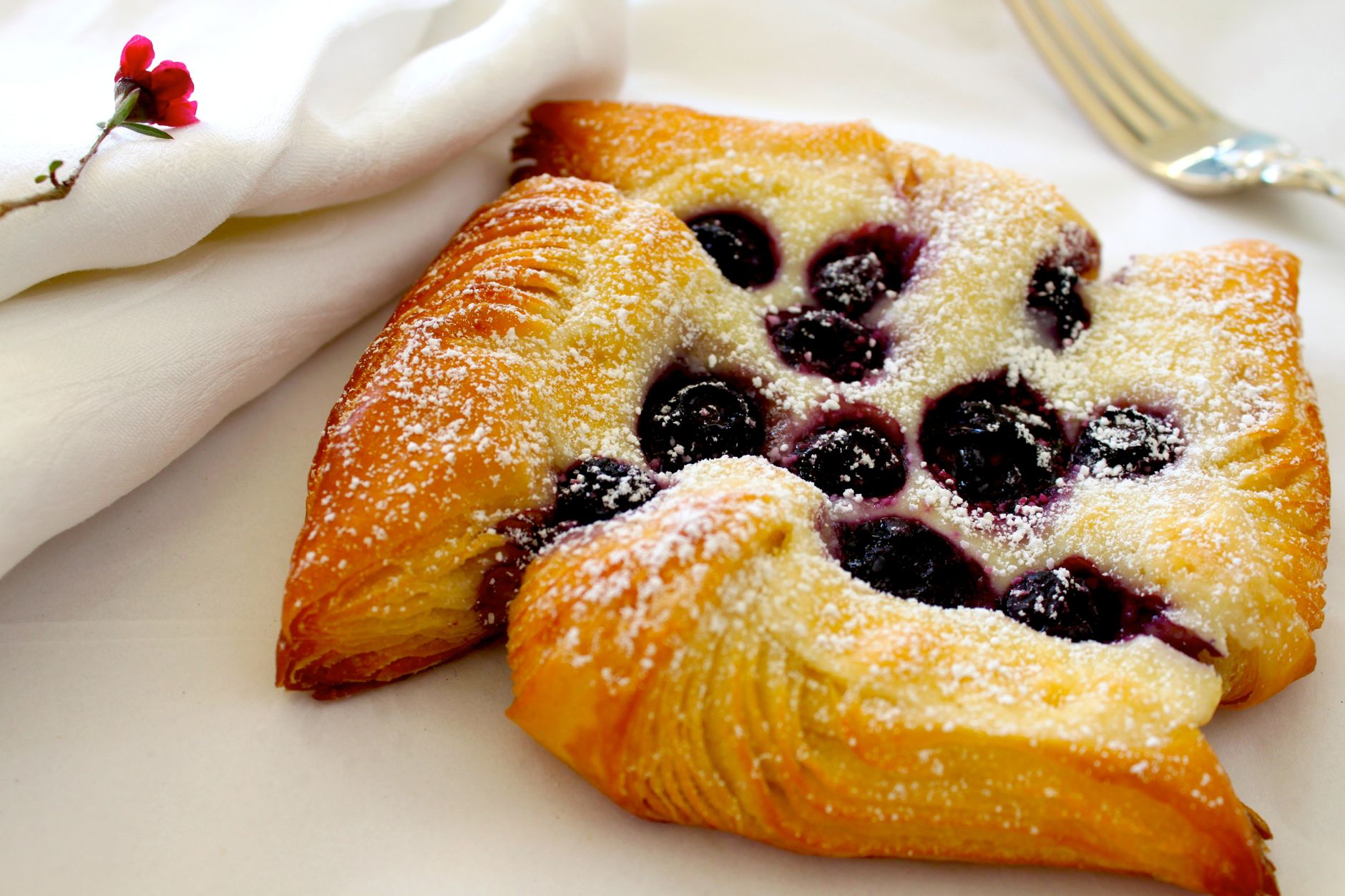
Puff pastry and pie crust are two distinct pastry types often confused due to their use in similar dishes. Understanding the differences between them can elevate your baking game and enhance your culinary creations. From texture to preparation methods, this article will clarify what sets puff pastry apart from pie crust and help you determine which to use for your next recipe.
Whether you are preparing a sweet dessert or a savory dish, knowing when to opt for puff pastry versus pie crust can significantly affect the outcome. This guide will break down the characteristics, uses, and preparation methods of both pastry types. Let’s delve into the key differences and practical applications!
Is Puff Pastry The Same As Pie Crust?
No, puff pastry is not the same as pie crust. Puff pastry is a light, flaky pastry made by layering dough and butter through a process called lamination, resulting in a high-rise texture. In contrast, pie crust is typically denser and made with a more straightforward blend of flour, fat, and water, creating a tender, flaky base suitable for pies.
Understanding Puff Pastry
Puff pastry is renowned for its incredible flakiness and rise, making it a favorite in both sweet and savory recipes. Its airy structure is achieved through a meticulous layering process.
Characteristics of Puff Pastry
- Texture: Light and flaky with multiple layers that create air pockets.
- Flavor: Rich, buttery taste due to the high butter content.
- Uses: Ideal for pastries, tarts, and savory dishes like vol-au-vents.
Preparation of Puff Pastry
The making of puff pastry involves a meticulous lamination technique. Here’s a brief overview of the steps involved:
- Make the Dough: Combine flour, salt, and water to create a dough.
- Prepare the Butter Block: Form a rectangle of butter and chill it.
- Lamination: Encase the butter in the dough and roll it out. Fold it multiple times and refrigerate between each fold.
- Finish: Roll it out to your desired thickness and use it in your recipes.
Practical Tips for Using Puff Pastry
- Always work with cold ingredients to maintain flakiness.
- Do not overwork the dough or butter layers.
- If using store-bought puff pastry, keep it refrigerated until you are ready to use it.
Understanding Pie Crust
Pie crust, popular for its versatility, offers a different texture and flavor profile. It serves as a base for both sweet and savory pies, from classic apple pie to quiches.
Characteristics of Pie Crust
- Texture: Tender and flaky, designed to hold fillings without excess rising.
- Flavor: Slightly nutty and buttery from the fat, but not as rich as puff pastry.
- Uses: Perfect for all types of pies and tarts, providing a sturdy base for fillings.
Preparation of Pie Crust
Making pie crust is less labor-intensive than puff pastry. Here are simple steps for a basic pie crust:
- Mix Dry Ingredients: Combine flour and salt in a bowl.
- Add Fat: Cut in butter or shortening until the mixture resembles coarse crumbs.
- Add Water: Gradually add cold water until the dough comes together.
- Chill: Wrap in plastic wrap and refrigerate before rolling out.
Practical Tips for Using Pie Crust
- Keep the dough chilled to prevent it from becoming tough.
- Consider blind baking for custard or fruit pies to avoid a soggy crust.
- Use a fork to crimp edges for a decorative finish.
Key Differences between Puff Pastry and Pie Crust
Understanding the differences between puff pastry and pie crust is crucial for successful baking. Here are the main points to consider:
1. Preparation Techniques
Puff pastry requires lamination, a more intricate process involving rolling and folding the dough with butter. This forms multiple layers that create puffiness during baking. In contrast, pie crust is a straightforward dough made by cutting fat directly into flour, with minimal handling required.
2. Ingredients
The ingredients used in each differ significantly. Puff pastry typically consists of flour, water, and a large amount of butter for richness. Pie crust may include flour, fat (like butter or shortening), and water, usually resulting in a less rich flavor than puff pastry.
3. Resulting Texture
The most noticeable difference lies in their textures. Puff pastry becomes airy and flaky due to its layers, while pie crust is denser and has a tender crumb, making it ideal for holding fillings without collapsing.
4. Use Cases
Puff pastry is perfect for light, airy dishes that require a flaky structure, such as pastries, puffs, and tarts. Pie crust is better suited for traditional pies, quiches, and tarts where a sturdy base is needed to support heavier fillings.
5. Cooking Time
Puff pastry may require a longer baking time at higher temperatures to achieve its signature lift, while pie crust can bake at moderate temperatures and often requires less time.
When to Use Puff Pastry vs. Pie Crust
Choosing the right pastry depends on the dish you’re preparing. Here are some guidelines to help you decide:
When to Use Puff Pastry
- For pastries and tarts that require rising.
- When creating savory dishes like pot pies or worked into layers of a mille-feuille.
- For sweets like fruit turnovers or cream puffs that are light and flaky.
When to Use Pie Crust
- When you’re making traditional pies like apple, cherry, or pecan.
- For quiches and savory tarts that require a stable base.
- When you prefer a less rich flavor profile.
Practical Substitutions
Don’t have puff pastry or pie crust on hand? Here are some practical substitutions that might work depending on your recipe:
Substitutes for Puff Pastry
- Phyllo Dough: Thinner and less rich, but when layered can create a flaky texture.
- Shortcrust Pastry: Denser, but in a pinch can be used for sweet or savory dishes.
Substitutes for Pie Crust
- Graham Cracker Crust: Sweet and crumbly; great for cheesecakes.
- Cookie Crust: Made from crushed cookies mixed with butter, offering varied flavors.
Common Mistakes to Avoid
Here are several pitfalls to avoid when working with puff pastry and pie crust:
Mistakes with Puff Pastry
- Using warm ingredients, which can melt the butter and ruin flakiness.
- Not allowing enough resting time between folds.
- Overworking the dough, leading to tough texture.
Mistakes with Pie Crust
- Adding too much water, resulting in a tough crust.
- Not chilling the dough, which can lead to shrinkage when baking.
- Using warm butter, which can cause the crust to be greasy.
Storage and Make-Ahead Tips
Proper storage and preparation can save you time and enhance your baking experience.
Storing Puff Pastry
- Puff pastry can be refrigerated for up to 2 days, or frozen for up to 3 months.
- If frozen, thaw in the refrigerator before using.
Storing Pie Crust
- Pie crust can be wrapped tightly and stored in the refrigerator for up to 3 days.
- Similar to puff pastry, it can be frozen for up to 3 months; just thaw in the fridge before rolling it out.
Make-Ahead Tips
- Freeze unfrozen pies to bake fresh on demand.
- Prepare dough and chill it a day ahead for quick assembly.
Understanding the differences between puff pastry and pie crust is key to selecting the right base for your dish. These flavorful pastries serve unique purposes in baking, and with the right technique, you can create mouthwatering treats that showcase each one’s strengths.
For a delightful sweet treat, consider trying an apple puff pastry recipe that highlights the unique qualities of puff pastry. Or if you’re looking for a classic, simple dessert, check out Betty Crocker’s pie crust recipe for perfecting your pie-making skills.