
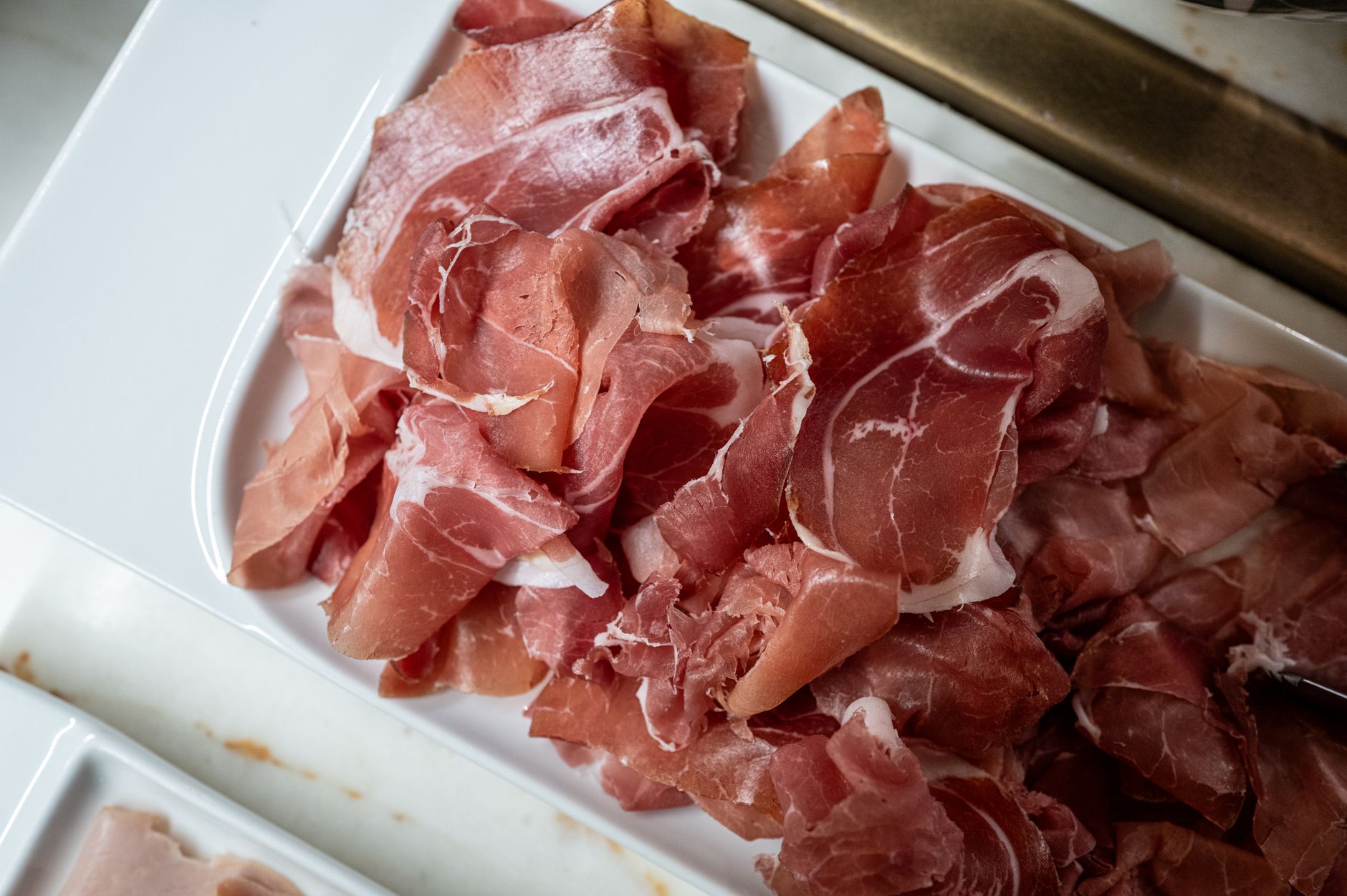
Prosciutto, a beloved Italian dry-cured ham, is celebrated for its delicate flavor and melt-in-your-mouth texture. As this culinary delight gains popularity worldwide, concerns about its health implications have come to light, particularly regarding its potential carcinogenic properties.
This article delves into the question: is prosciutto carcinogenic? We will explore the evidence surrounding cured meats, address safety concerns, and highlight prosciutto’s culinary uses, so you can enjoy this treat responsibly.
Is Prosciutto Carcinogenic?
Yes, prosciutto can be considered potentially carcinogenic, primarily due to its classification as a processed meat. The World Health Organization (WHO) classified processed meats as Group 1 carcinogens, meaning there is sufficient evidence to link their consumption with an increased risk of colorectal cancer.
However, understanding the nuances behind this classification is essential. The level of risk depends on various factors, including the amount consumed and individual health profiles. Moderation and informed choices can help mitigate potential risks.
What is Prosciutto?
Prosciutto is an Italian dry-cured ham obtained from the hind leg of a pig. The process involves salting the meat and allowing it to air dry over several months, resulting in a distinctive flavor and texture. Its high-fat content, often around 30%, contributes to its rich taste.
There are two main varieties of prosciutto:
- Prosciutto Crudo: This is the raw, dry-cured variety that is sliced thinly and served uncooked.
- Prosciutto Cotto: This is a cooked version, which has a slightly different flavor and is often used in sandwiches and salads.
The Science Behind Carcinogenic Risks
The classification of prosciutto and other processed meats as Group 1 carcinogens is based on several studies linking high consumption with the risk of certain cancers, particularly colorectal cancer. The chemical compounds typically of concern include:
- Nitrites and Nitrates: These compounds are used in the curing process, and during digestion, they can form nitrosamines, known carcinogens.
- Polycyclic Aromatic Hydrocarbons (PAHs): These may form when meats are cooked at high temperatures, such as grilling or smoking.
The concern does not arise from the occasional indulgence in prosciutto, but rather with the regular consumption of large amounts. The WHO report cites that consuming 50 grams of processed meat daily increases the risk of colorectal cancer by 18%.
Balancing Prosciutto in Your Diet
The key to mitigating the risks associated with prosciutto is moderation. Here are a few tips to balance this ingredient in your diet:
- Portion Control: Enjoy prosciutto in smaller amounts. A serving size of about 30 grams is sufficient to satisfy your craving without significantly increasing your risk.
- Pairing with Vegetables: Consider pairing prosciutto with fresh vegetables or salads. This not only balances flavors but also increases your intake of fiber and nutrients.
- Choose Quality Products: Opt for prosciutto made from organic pigs that do not contain additives such as nitrates. Look for brands that adhere to traditional curing methods.
Culinary Uses of Prosciutto
Prosciutto is incredibly versatile and can enhance a variety of dishes. Here are some popular ways to incorporate it into your meals:
1. Charcuterie Boards
Prosciutto is a staple on charcuterie boards. Its salty, savory flavor pairs well with cheeses, olives, and nuts. For a delightful presentation:
- Include a variety of cheeses such as Brie, Parmigiano-Reggiano, and goat cheese.
- Add fresh fruit like figs, grapes, or apples.
- Incorporate nuts such as almonds or walnuts for added texture.
- Drizzle with honey or balsamic glaze for a touch of sweetness.
2. Appetizers
Wrap prosciutto around various ingredients for quick appetizers:
- Asparagus or green beans for a touch of sophistication.
- Melon cubes or figs for a sweet and savory contrast.
- Cheese sticks or olives for a delightful bite.
3. Salads
Adding prosciutto to salads can elevate their flavor profile. Try these combinations:
- Caprese Salad: Combine fresh mozzarella, tomatoes, basil, and thin slices of prosciutto with a drizzle of olive oil.
- Mixed Greens: Toss prosciutto with mixed greens, walnuts, cranberries, and goat cheese for a delicious salad.
4. Pasta Dishes
Incorporate prosciutto into pasta for a savory kick:
- Mix into cream sauces, such as alfredo, with peas and mushrooms for a comforting dish.
- Dice and add to carbonara for an Italian classic.
5. Breakfast Items
Prosciutto can also be used in breakfast dishes:
- Layer it on an avocado toast with a sprinkle of chili flakes.
- Incorporate it into omelets or frittatas for added flavor.
Ingredient Substitutions for Prosciutto
If you’re looking for alternatives to prosciutto for dietary reasons or preference, consider these substitutes:
- Bacon: A smoked alternative that offers a different flavor. Use in moderation due to higher fat content.
- Pancetta: Another Italian cured meat that provides a similar taste but is cooked. Use it in dishes requiring cooked meat.
- Vegetarian Alternatives: For a plant-based option, look for vegan ham or smoked tempeh.
Common Mistakes When Using Prosciutto
Here are common pitfalls to avoid when cooking or serving prosciutto:
- Overcooking: Prosciutto is best enjoyed raw or lightly heated. Cooking it for too long can lead to a tough texture.
- Incorrect Pairing: Avoid pairing prosciutto with overly sweet elements that may overpower its delicate flavor.
- Ignoring Quality: Always choose high-quality prosciutto. Lower quality products may contain preservatives that can elevate health risks.
Storage and Handling
Proper storage of prosciutto is critical for maintaining flavor and safety:
- Keep prosciutto in the refrigerator at a temperature below 40°F (4°C).
- Wrap it tightly in plastic wrap or store it in an airtight container to prevent drying out.
- Use within a week after opening; whole or vacuum-sealed prosciutto can last for months if stored properly.
Final Thoughts on Enjoying Prosciutto
While prosciutto may carry potential health risks due to its classification as a processed meat, enjoying it in moderation within a balanced diet can allow you to savor its unique flavor without significant concern. Understanding the health implications and making informed choices can lead to a satisfying culinary experience.
As you incorporate prosciutto into your meals, remember to pair it thoughtfully, balance it with wholesome ingredients, and consider quality over quantity. Savoring this delicacy can be a delightful part of your food journey.
For further exploration of related food topics, check out our guides on the health implications of salami at Does Salami Healthy? and the potential links between red meat and cancer at Does Red Meat Cause Cancer?.