
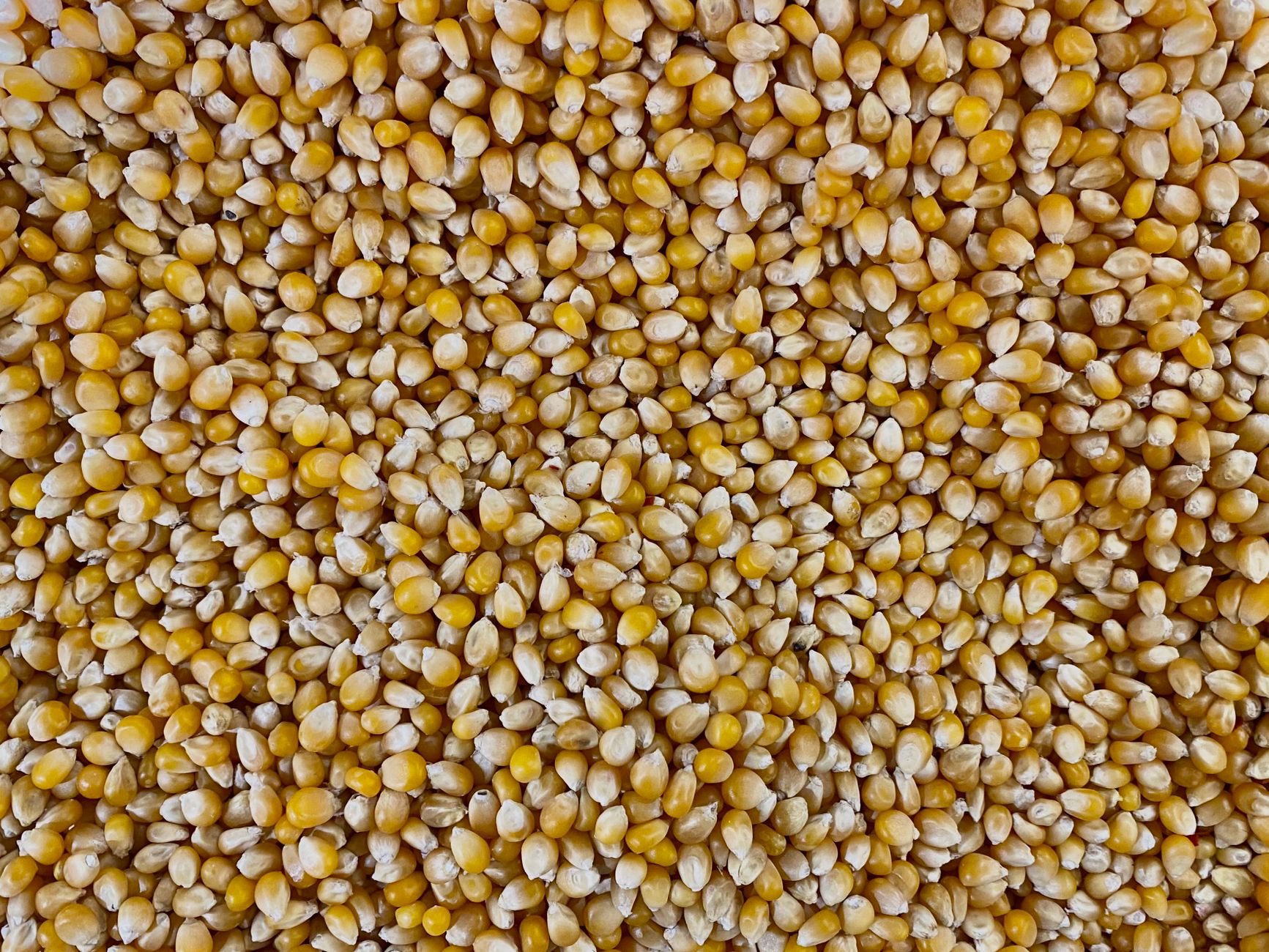
Plain popcorn is often touted as a healthy snack option, but is it really as beneficial as some claim? In this article, we’ll explore the nutritional value, health benefits, and considerations of plain popcorn as a snack choice. We will also delve into the best ways to prepare it, how to include it in your diet, and any potential downsides.
Popcorn, a whole grain, serves as a versatile snack that can be enjoyed in many ways. Whether you enjoy it during movie nights, as a mid-afternoon snack, or on-the-go, understanding its health implications is vital for making informed choices about your diet.
Is Plain Popcorn Healthy?
Yes, plain popcorn can be a healthy snack choice. It is high in fiber, low in calories, and contains essential nutrients. However, the healthiness of popcorn can be diminished by the use of excessive added ingredients like butter or salt. Moderation and preparation method are key factors to maintain its health benefits.
Nutritional Profile of Plain Popcorn
Plain popcorn is a whole grain, which contributes to its nutritional appeal. Here are the key components:
- Calories: One cup of air-popped popcorn contains about 31 calories.
- Carbohydrates: Popcorn is primarily composed of carbohydrates, providing a good source of energy.
- Fiber: One cup provides approximately 1.2 grams of dietary fiber, supporting digestive health.
- Protein: Popcorn contains about 1 gram of protein per cup, which is not significant but contributes to the total daily intake.
- Vitamins and Minerals: It contains small amounts of vitamins like B6 and minerals including magnesium, phosphorus, and zinc.
Health Benefits of Plain Popcorn
Eating popcorn, especially when it is prepared without heavy additives, comes with various health benefits:
1. High in Fiber
The fiber content in popcorn is one of its most significant benefits. Dietary fiber promotes healthy digestion, helps in regulating blood sugar levels, and can aid in weight management by keeping you feeling full longer.
2. Low in Calories
When prepared without oil or butter, popcorn is low in calories, making it an excellent choice for those monitoring their weight. Its bulk provides satiety, which can help with portion control during snacking.
3. Whole Grain Source
As a whole grain, popcorn offers essential nutrients and serves as an important part of a balanced diet. Whole grains are associated with reduced risks of heart disease and type 2 diabetes.
4. Antioxidant Properties
Popcorn contains polyphenols, which are antioxidants that help combat oxidative stress in the body. While research is ongoing, incorporating antioxidant-rich foods into your diet can support overall health.
5. Gluten-Free Snack
For those with gluten intolerance or celiac disease, plain popcorn is a naturally gluten-free snack option. Always ensure the product is labeled gluten-free if purchasing pre-packaged popcorn for safety.
How to Prepare Plain Popcorn
There are several methods to prepare plain popcorn. The healthiest way typically involves air popping, which doesn’t require any oil. Here’s how to do it:
What You Need
- 1/3 cup of popcorn kernels
- Air popper or microwave-safe bowl with a cover
- Optional seasoning (light salt, herbs)
Air Popper Method
- Measure 1/3 cup of popcorn kernels.
- Place the kernels in the air popper per the manufacturer’s instructions.
- Turn on the air popper and allow the popcorn to pop, about 2-4 minutes.
- Once popping slows, turn off the machine and remove the bowl. Enjoy plain or add a sprinkle of salt.
Microwave Method
- Place 1/3 cup of popcorn kernels into a microwave-safe bowl.
- Cover the bowl with a microwave-safe lid or plate, ensuring it allows steam to escape.
- Microwave on high for 2-3 minutes, listening for the slowing of pops.
- Carefully remove from the microwave as the bowl will be hot. Season as desired.
Possible Downsides of Popcorn
While plain popcorn has many benefits, there are some considerations and downsides to keep in mind:
1. High in Sodium If Not Prepared Mindfully
Many pre-packaged popcorn varieties come loaded with salt, which can contribute to high sodium intake. Excess sodium can lead to health problems like hypertension.
2. May Cause Digestive Issues
For some individuals, especially those with sensitive stomachs, the high fiber content can lead to bloating or gas if consumed in large quantities. Moderation is key.
3. Additives in Pre-Packaged Popcorn
Many commercially prepared popcorns contain additives, flavorings, or unhealthy oils. Always check labels for unnecessary ingredients.
4. Potential for Choking
Popcorn is a choking hazard, particularly for young children. Always supervise when children eat popcorn and consider how age-appropriate it may be for them.
Best Ways to Enjoy Plain Popcorn
To enhance your popcorn experience without compromising its health benefits, consider the following seasoning and pairing ideas:
Seasoning Options
- Herbs and Spices: Try garlic powder, nutritional yeast, or chili powder for flavor without added calories.
- Lemon Zest: A sprinkle of fresh lemon zest can add a refreshing flavor.
- Light Salt: If you enjoy salt, use it sparingly to avoid excess sodium.
- Parmesan Cheese: A light dusting of parmesan can provide a savory taste.
Pairing Suggestions
- Fresh Fruit: Pair popcorn with fresh or dried fruit for a satisfying snack mix.
- Nuts: Add a handful of nuts for added protein and crunch.
- Dairy Alternatives: Consider serving popcorn with yogurt dips for an interesting twist.
Storage and Shelf Life
Storing popcorn correctly extends its lifespan and maintains quality. Follow these guidelines:
Storage Method
Keep unpopped popcorn kernels in an airtight container in a cool, dry place. This will prevent moisture intake and maintain their ability to pop. Properly stored, kernels can last for a year or more.
Cooked Popcorn Storage
If you have leftover popped popcorn, store it in an airtight container at room temperature. Popcorn is best consumed within a couple of days for optimal texture, as it can become stale over time.
Conclusion
Plain popcorn is a nutritious, versatile snack that offers some health benefits, especially when prepared without excessive oils and seasonings. By opting for air-popped popcorn and getting creative with toppings, you can enjoy its delightful crunch while also supporting healthy eating habits. Just remember to enjoy it in moderation and be mindful of your preparation choices. Snack away!
Explore more ways to enhance your meals by checking out how chickens can eat popcorn or learn more about how popcorn is made.