
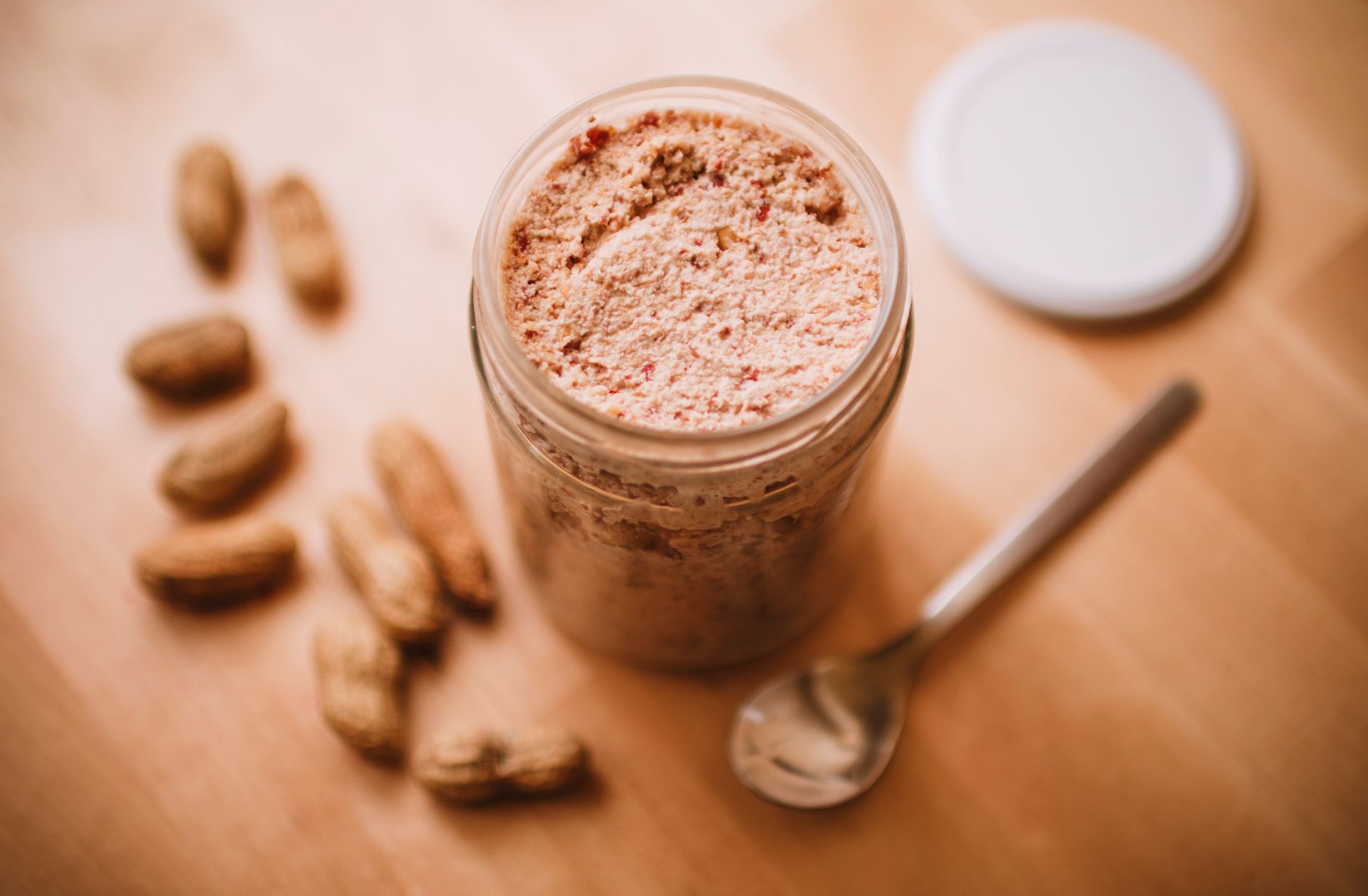
Peanut butter is a beloved staple in many households, known for its creamy texture and rich flavor. However, many people wonder about its health implications, particularly concerning liver health. This article explores the relationship between peanut butter and liver function, its nutritional profile, and portion control for safe consumption.
While peanut butter is often enjoyed as a nutritious snack or spread, understanding its impact on your liver health is crucial. This guide will help you grasp the potential benefits and drawbacks of including peanut butter in your diet.
Is Peanut Butter Good for Your Liver?
Peanut butter can be good for your liver when consumed in moderation as part of a well-balanced diet. Its healthy fats, protein, vitamins, and minerals may promote overall liver health. However, excessive consumption of peanut butter can lead to weight gain and increased fat deposits in the liver, negatively impacting liver function.
Nutritional Profile of Peanut Butter
To understand how peanut butter affects liver health, it’s essential to examine its nutritional content. Let’s break down the key components of peanut butter:
- Healthy Fats: Peanut butter is rich in monounsaturated and polyunsaturated fats, which can help lower cholesterol levels and support heart health.
- Protein: A good source of plant-based protein, peanut butter contributes to muscle maintenance and satiety.
- Vitamins and Minerals: It contains several key vitamins and minerals, including vitamin E, magnesium, potassium, and niacin.
- Fiber: The fiber content in peanut butter aids digestion and helps prevent blood sugar spikes.
How Peanut Butter Supports Liver Health
Peanut butter may offer several potential benefits for liver health when consumed appropriately:
1. Anti-Inflammatory Properties
The healthy fats in peanut butter have been shown to have anti-inflammatory effects. Chronic inflammation is linked to various liver diseases, including fatty liver disease. Incorporating moderate amounts of peanut butter into your diet can help reduce inflammation, promoting better liver function.
2. Nutrient Density
Peanut butter is packed with nutrients that are essential for maintaining overall health. Minerals such as magnesium and potassium play critical roles in enzymatic reactions and muscle function, including those in the liver. Getting adequate nutrients supports the liver’s ability to process substances efficiently.
3. Blood Sugar Regulation
The fiber and protein in peanut butter can help stabilize blood sugar levels. Maintaining stable blood sugar is important as elevated levels can lead to insulin resistance and increase the risk of liver diseases like non-alcoholic fatty liver disease (NAFLD).
4. Promotes Satiety
Peanut butter is satiating, meaning it can help control hunger and reduce overall calorie consumption. This is especially important for weight management, as maintaining a healthy weight is crucial for liver health.
Ports and Consumption Guidelines
While peanut butter can be a healthy addition to your diet, moderation is key. Here are some guidelines for portion control and healthy consumption:
Recommended Servings
For most adults, a typical serving size of peanut butter is about 2 tablespoons. Here’s how you can effectively incorporate peanut butter into your diet:
- Breakfast: Spread it on whole-grain toast or mix it into oatmeal.
- Snacks: Pair it with fruits or vegetables for a nutritional boost.
- Baking: Add it to smoothies or use it in baking recipes.
Choosing the Right Peanut Butter
Not all peanut butter is created equal. When selecting peanut butter, consider the following:
- Natural vs. Processed: Opt for natural peanut butter that contains only peanuts and perhaps a bit of salt. Avoid brands with added sugars and hydrogenated oils.
- Check Labels: Look for peanut butter with minimal ingredients to ensure quality and health benefits.
- Organic Options: If possible, choose organic peanut butter to avoid pesticides and additives.
Potential Drawbacks of Excessive Peanut Butter Consumption
While peanut butter does have notable benefits, overconsumption can lead to health issues, particularly concerning liver health:
1. Weight Gain
Peanut butter is calorie-dense. Excessive consumption can lead to a calorie surplus, resulting in weight gain. This is particularly detrimental for liver health, as obesity is a significant risk factor for liver diseases like fatty liver disease.
2. Allergenic Potential
Peanuts are a common allergen. For those with peanut allergies, consuming peanut butter can lead to severe reactions. Always consult a healthcare provider if you’ve experienced allergies or intolerances.
3. Aflatoxin Risk
Peanuts can be susceptible to aflatoxin, a toxin produced by mold that can harm the liver. While the risk is low in commercially prepared peanut butter, it is essential to source products from reputable brands to minimize exposure.
Alternative Nut Butters
If you find that peanut butter isn’t suitable for your liver health or personal preferences, you might consider alternatives:
- Almond Butter: Rich in vitamin E, fiber, and healthy fats, almond butter is a nutritious choice.
- Cashew Butter: Creamy cashew butter is lower in calories than peanut butter while still providing healthy fats.
- Sunflower Seed Butter: A great nut-free alternative, sunflower seed butter is rich in vitamins and minerals.
Incorporating Peanut Butter into Your Diet
To make the most of peanut butter’s health benefits while keeping your liver health in check, here are some practical tips:
1. Pair with Fiber-Rich Foods
Combine peanut butter with fruits or vegetables to enhance its fiber content. Apple slices, celery, and whole-grain crackers make excellent pairings.
2. Limit Processed Options
Whenever possible, limit your intake of commercial peanut butters laden with sugar and additives. Homemade peanut butter can be a healthier option.
3. Pay Attention to Total Fat Intake
Incorporate peanut butter as part of your overall dietary fat intake. Balance your diet with avocado, olive oil, and other healthy fats to avoid excessive calories.
Frequently Asked Questions
1. Can I eat peanut butter every day?
Yes, consuming peanut butter in moderation as part of a balanced diet can be healthy. A tablespoon or two daily can contribute to fulfilling your nutritional needs without negatively impacting your liver.
2. Is crunchy or smooth peanut butter better for liver health?
Both crunchy and smooth peanut butter have similar nutritional profiles. The choice depends more on personal preference than health benefits.
3. How can I tell if I have a peanut allergy?
Symptoms of peanut allergy can include itching, hives, swelling, or even anaphylaxis. If you suspect a peanut allergy, consult a healthcare provider for testing and guidance.
Conclusion
Peanut butter can be a nutritious addition to your diet, potentially supporting liver health if consumed within moderation. It is essential to pay attention to portion sizes and choose high-quality products to maximize benefits while minimizing risks. Embrace this beloved spread wisely, and enjoy the flavors and versatility it brings to your meals.
For a delicious way to use peanut butter, explore our peanut butter fudge recipe or try making a wholesome peanut butter granola to enhance your breakfast. Enjoy the many benefits of peanut butter with these delightful recipes!