
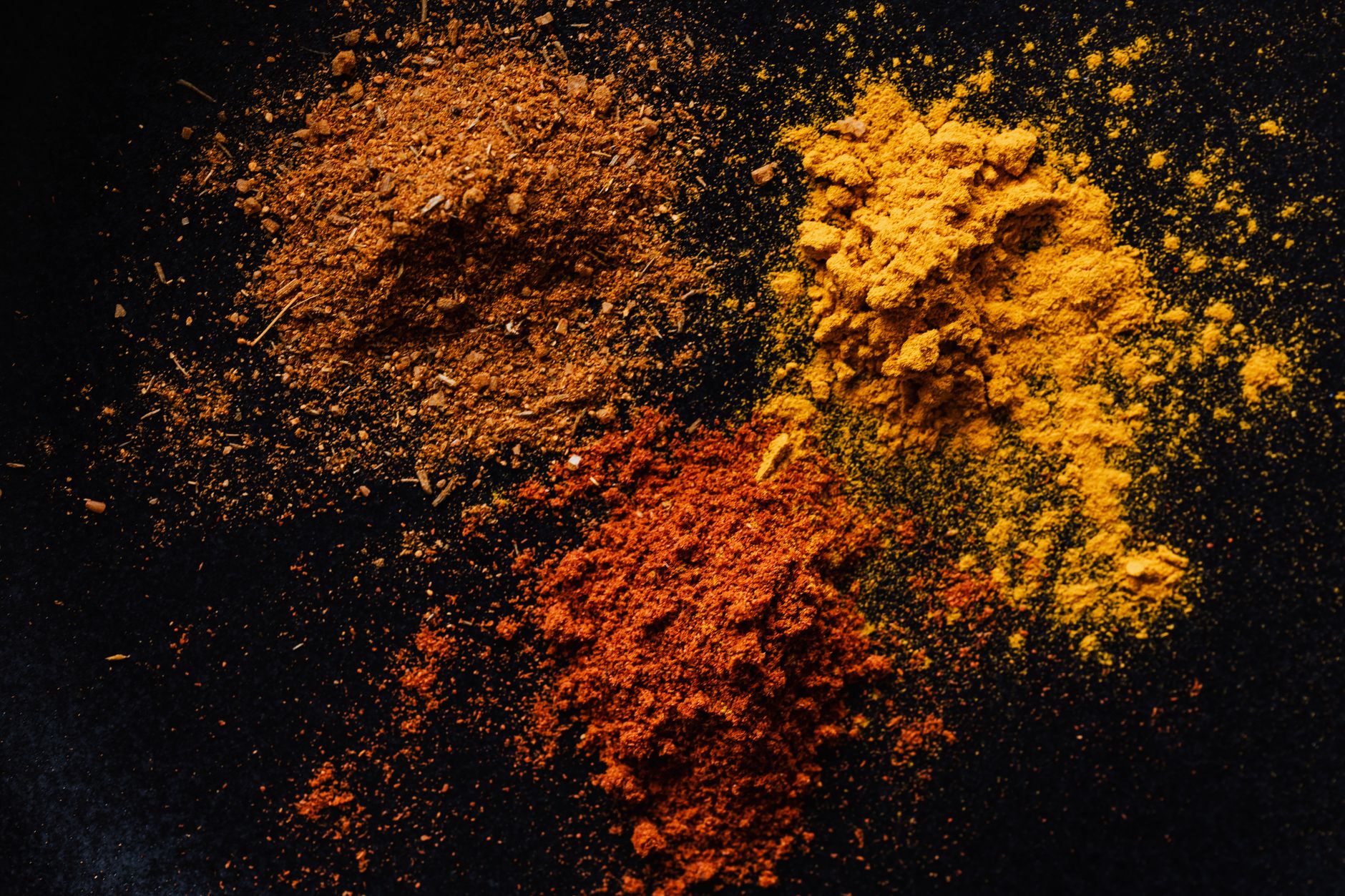
When you browse through your spice rack, you might come across paprika and smoked paprika. While they share similar names and a vibrant red hue, they serve different purposes in cooking and impart unique flavors to your dishes. Understanding these differences can significantly enhance your culinary creations and help you master flavor combinations in various recipes.
This article delves into the distinctions between paprika and smoked paprika, exploring their flavor profiles, culinary uses, and tips for substitution. Whether you’re a seasoned chef or a home cook, grasping these differences can elevate your cooking game.
Is Paprika and Smoked Paprika the Same?
No, paprika and smoked paprika are not the same. Regular paprika is made from dried, ground peppers without any smoking process, resulting in a sweet and mild flavor. In contrast, smoked paprika, also known as pimentón, is produced by drying and smoking the peppers over an oak fire, imparting a robust, smoky flavor. Both types of paprika are versatile in cooking but in different ways.
Understanding Paprika
Paprika is a spice made from ground sweet or hot peppers. Primarily associated with Hungary and Spain, it is notable for its vibrant color and moderate flavor, which varies depending on the type of pepper used and the processing method.
Types of Paprika
- Hungarian Paprika: Usually more flavorful and aromatic, it ranges from sweet to hot, with the most famous varieties being sweet Hungarian and hot Hungarian.
- Spanish Paprika (Pimentón): This type varies in flavor intensity and can be sweet, bittersweet, or hot. It is less sweet than Hungarian paprika.
- American Paprika: Often less flavorful and spicier, it is primarily used as a coloring agent in dishes.
Flavor Profile
The flavor of paprika is typically mild and slightly sweet, making it a great addition to dishes without overwhelming them. It offers a warming quality, contributing to depth and complexity in recipes. The heat level can vary, so be sure to check the label for specifics.
Culinary Uses of Paprika
Paprika has a wide array of culinary uses:
- Color Enhancer: A sprinkle of paprika enhances the visual appeal of many dishes.
- Seasoning: It is often used to season meats, like chicken and beef, and as a flavor enhancer in stews, soups, and sauces.
- Garnishing: Paprika adds a pop of color and flavor to deviled eggs, potato salads, and dips.
- Root Veggies and Pasta: It can be sprinkled over roasted vegetables or mixed into pasta sauces for a deepened flavor experience.
Exploring Smoked Paprika
Smoked paprika derives its unique flavor through a specialized drying process where peppers are smoked over an oak fire. This method imparts a deep, smoky flavor that elevates many dishes.
Types of Smoked Paprika
- Sweet Smoked Paprika: This variety has a gentle flavor with smokiness dominating, making it excellent for those who enjoy a milder taste.
- Hot Smoked Paprika: Offering a kick of heat alongside the smokiness, this type is perfect for those who prefer bolder flavors.
Flavor Profile
Smoked paprika has a complex flavor profile that features both sweetness and a distinctive smoky richness, reminiscent of campfire cooking. This unique blend of flavors makes it a popular choice for enhancing the taste of various dishes.
Culinary Uses of Smoked Paprika
Smoked paprika is remarkably versatile and can be used in numerous ways:
- Grilling: Great for marinades and rubs, as its smokiness complements grilled meats and vegetables beautifully.
- Soups and Stews: Adding depth and warmth to soups, stews, and chili, it works well in dishes with beans, lentils, and vegetables.
- Egg Dishes: A sprinkle of smoked paprika enhances the flavor of omelets, frittatas, and scrambled eggs.
- Dips and Sauces: Use it in sauces, like aioli or barbecue sauce, to achieve a smoky flavor profile.
How to Substitute Paprika and Smoked Paprika
When you’re out of one type of paprika, you may wonder if you can substitute it with the other. Here’s how to navigate paprika substitutions:
Using Regular Paprika Instead of Smoked Paprika
If you replace smoked paprika with regular paprika, expect a significant loss of smokiness. To partially replicate the flavor, consider adding a teaspoon of liquid smoke or a dash of cayenne pepper if you enjoy a bit of heat.
Using Smoked Paprika Instead of Regular Paprika
When utilizing smoked paprika in place of regular paprika, remember that it will contribute a deeper, smokier flavor to your dish. Start with half the amount and adjust to taste, since the smokiness can be more dominant.
Common Mistakes When Using Paprika and Smoked Paprika
Understanding the right way to use these spices can prevent potential mishaps in your cooking journey. Here are common mistakes to avoid:
- Assuming they are interchangeable: As mentioned, the flavor profile of these two types of paprika is quite different. Recognizing their unique qualities is essential for achieving desired results.
- Using too much: Paprika can be potent, especially smoked paprika. Start with a small amount, expand gradually, and taste as you go.
- Skipping usage in oils: For maximum flavor release, consider blooming paprika in oil before adding it to dishes. This can elevate its aromatic qualities.
How to Store Paprika and Smoked Paprika
To maintain the potency and flavor of both paprika varieties, proper storage is crucial:
- Airtight Containers: Keep paprika in a sealed container to prevent moisture and air from diminishing its flavor.
- Cool, Dark Place: Store paprika in a dark, cool place, away from heat and sunlight, which can hasten the loss of its flavor.
- Check Expiration Dates: Spices can lose potency over time. If your paprika has been stored for more than a year, consider replacing it.
Examining the Nutritional Aspects
While paprika and smoked paprika are low-calorie seasonings, they do contribute some essential nutrients:
- Vitamins: Both types contain vitamin A, which is crucial for vision and immune health, and vitamin E, known for its antioxidant properties.
- Capsaicin: Present in some varieties, this compound can promote pain relief and is known for its metabolism-boosting properties.
- Low Sodium: Both types are naturally low in sodium, making them excellent choices for flavoring dishes without adding excess salt.
Where to Buy Quality Paprika and Smoked Paprika
Finding quality paprika and smoked paprika is essential for achieving the best flavor in your recipes. Here are some tips on where to source these spices:
- Specialty Spice Stores: Look for local spice shops or specialty stores that focus on high-quality spices.
- Online Retailers: Many reputable online retailers offer organic and high-quality paprika options from reliable brands.
- Farmers’ Markets: Local markets often have vendors selling freshly dried peppers ground into paprika.
Recipes Incorporating Paprika and Smoked Paprika
Incorporating both types of paprika into your cooking can elevate the flavor of various dishes. Here are a few recipes to inspire you:
Paprika Chicken
- Ingredients: Chicken thighs, paprika, salt, pepper, garlic powder, onion powder, olive oil.
- Instructions:
- Preheat your oven to 400°F (200°C).
- In a small bowl, mix paprika, salt, pepper, garlic, and onion powder.
- Rub the chicken thighs with olive oil and coat them evenly with the spice mix.
- Place the thighs on a baking sheet and roast for about 35-40 minutes, or until cooked through.
Smoky Paprika Roasted Vegetables
- Ingredients: Mixed vegetables (bell peppers, zucchini, carrots), olive oil, smoked paprika, salt, pepper.
- Instructions:
- Preheat your oven to 425°F (220°C).
- Chop vegetables into even pieces and place them into a bowl.
- Drizzle with olive oil, then sprinkle with smoked paprika, salt, and pepper. Toss to coat.
- Spread the vegetables on a baking sheet and roast for 20-25 minutes, or until caramelized.
Final Thoughts
Understanding the differences between paprika and smoked paprika empowers you to make well-informed culinary decisions. With their distinct flavor profiles, both spices offer unique contributions to your dishes, whether earthy and mellow or robustly smoky. The knowledge of how to use and store these ingredients can enhance your cooking experiences and elevate the flavors of your meals.
To continue expanding your culinary expertise, explore related recipes and guidelines for ingredients that may enhance your cooking projects. Whether you’re looking for more delicious ways to use spices or seeking tips on meal planning, there are numerous resources available. Consider diving into techniques related to spices or exploring different cooking recipes as you continue your cooking journey.