
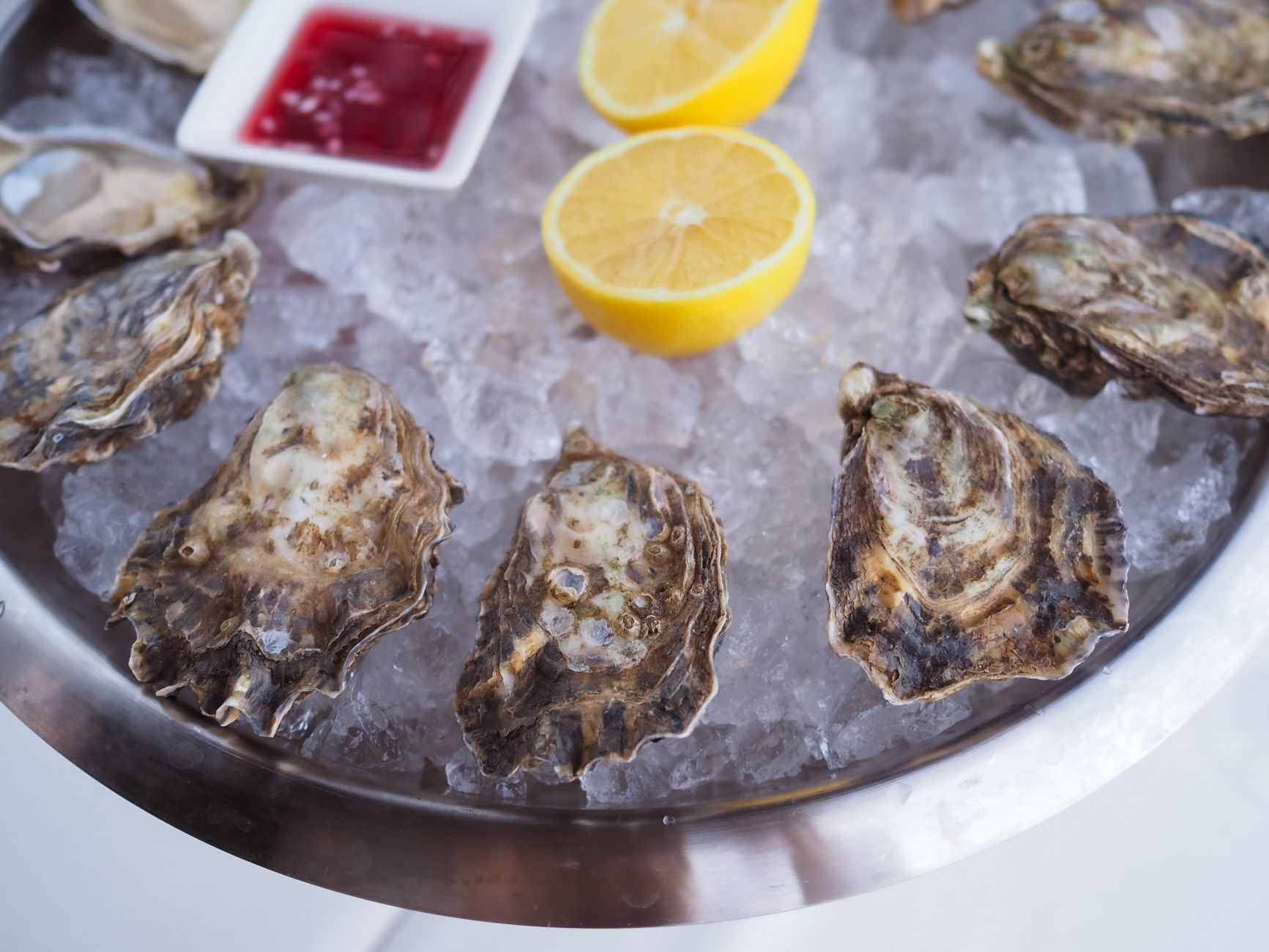
Oysters are a beloved delicacy enjoyed around the world, known for their unique flavor and texture. As shellfish, they belong to a specific group of aquatic animals that are characterized by their hard shells and soft interiors. This article will explore the fascinating world of oysters—discussing what exactly they are, how they are categorized within the shellfish family, their various types, culinary uses, health benefits, and serving ideas.
For both enthusiasts and newcomers, understanding oysters can enhance your appreciation for this seafood staple. Whether you’re looking to savor them raw or incorporate them into a dish, oysters are incredibly versatile. Read on to learn all about these intriguing shellfish.
Is Oyster Shellfish?
Yes, oysters are indeed classified as shellfish. More specifically, they are bivalve mollusks. This category of shellfish comprises aquatic animals with two-part shells and soft bodies, which often serve as a delicate culinary treat. Being part of the shellfish family, oysters boast a unique combination of texture, flavor, and nutrition.
Understanding Shellfish: A Quick Overview
Shellfish are generally divided into two main subcategories: crustaceans and mollusks. While crustaceans include familiar seafood like shrimp, crab, and lobster, mollusks comprise oysters, clams, mussels, and scallops.
What Are Mollusks?
Mollusks are a diverse group of invertebrates with a soft body and most commonly, an external shell. They can be further classified into three major groups:
- Cephalopods: Includes animals like octopuses and squids, known for their intelligence and mobility.
- Gastropods: Most familiar as snails and slugs, this group includes some of the world’s favorite edible species, such as snails and certain types of shellfish.
- Bivalves: This group includes oysters, clams, mussels, and scallops, characterized by their two-part shell that opens and closes.
Types of Oysters
Oysters come in various species, each offering a different flavor profile, texture, and culinary use. Here’s a closer look at some of the most popular types:
Eastern Oysters
Commonly found along the Atlantic coast, particularly in the Chesapeake Bay, Eastern oysters (Crassostrea virginica) are known for their briny flavor and firm texture. They are often consumed raw, grilled, or in stews.
Pacific Oysters
Pacific oysters (Crassostrea gigas) have a slightly sweeter and creamier taste than their Eastern counterparts. They are mainly harvested on the Pacific coast, especially in the Northwest region of the United States.
Olympia Oysters
These small, native Pacific oysters (Ostrea lurida) are known for their rich and buttery flavor. They have a unique, small, round shape and tend to have a more pronounced metallic taste compared to larger varieties.
Rock Oysters
Rock oysters (Saccostrea glomerata) are typically found in Australia and New Zealand. They have a hard shell and a robust flavor that lends itself well to grilling or roasting.
Culinary Uses of Oysters
Oysters are amongst the most versatile seafood ingredients. They can be served in various ways, and knowing how to prepare them can elevate their dining experience. Here are some popular culinary applications:
Raw Oysters
Serving oysters raw on the half shell is an iconic way to enjoy their natural flavors. Typically accompanied by lemon wedges, mignonette sauce, or cocktail sauce, this preparation allows you to experience the briny sweetness directly from the sea.
Grilled Oysters
Grilling oysters adds a smoky flavor that complements their natural taste. Grilling can be as simple as placing them directly on a hot grill, or you can elevate them by adding butter, herbs, and breadcrumbs on top before grilling.
Oyster Soup and Stews
Oysters can be used in soups and stews for added richness. Dishes like oyster chowder or a classic New England clam chowder can make use of oysters to enhance flavor and texture.
Baked Oysters
Baking oysters allows for creative toppings. One popular preparation is baked oysters Rockefeller which features a buttery herb and breadcrumbs topping, baked to perfection over the oysters.
Health Benefits of Oysters
Beyond their delightful taste, oysters are packed with several nutritional benefits, making them a worthy addition to your diet:
- Rich in Nutrients: Oysters are a great source of protein, vitamins (such as B12 and D), and minerals like zinc, iron, and selenium.
- Low in Calories: They boast a low-calorie count, making them an excellent choice for those seeking a light yet nutritious food option.
- Heart Health: The omega-3 fatty acids found in oysters can support heart health and lower inflammation.
Storing Oysters Properly
To ensure the freshness of oysters, proper storage is crucial. Here are some tips to consider:
- Store live oysters in a refrigerator in a bowl covered with a damp cloth to retain moisture.
- Avoid sealing them in a closed container, as they require air to survive.
- If cooked, store any leftover oysters in an airtight container in the refrigerator. Consume them within a day or two.
Serving Ideas for Oysters
Whether you’re planning a seafood feast or a casual gathering, here are some serving ideas to make your oyster experience memorable:
Oyster Platter
An oyster platter is a wonderful way to showcase various types of oysters. Include a mix of flavors and sizes, garnished with traditional accompaniments like lemon and cocktail sauce.
Oyster Shooters
Oyster shooters are fun and delightful. Place a raw oyster in a shot glass, add a splash of vodka or hot sauce, and serve chilled—perfect for parties!
Oyster Tacos
For a twist, consider making oyster tacos. Lightly fried oysters, topped with a spicy slaw and creamy sauce, create a delicious combination.
Oyster Pasta
Cooked oysters can beautifully enhance pasta dishes. Toss them in a garlic-white wine sauce or an herbed butter sauce to create a savory meal.
Common Mistakes and Troubleshooting with Oysters
Even the most experienced cooks can face challenges when preparing oysters. Here are some common mistakes and tips for troubleshooting:
- Overcooking: When cooking oysters, avoid overcooking them as it can lead to a rubbery texture. If grilling, aim for just a few minutes until they begin to open.
- Improper Shucking: Use a sturdy oyster knife and a towel to protect your hand when shucking oysters. Always apply gentle pressure at the hinge to avoid injury.
- Purchasing Quality Oysters: Always select oysters that smell fresh and ocean-like. Avoid any with broken shells or a foul odor.
Preparation and Cooking Techniques for Oysters
Preparing and cooking oysters isn’t as daunting as it may seem. Below is a simple guide to get you started:
Shucking Oysters
Shucking oysters is the first step in many recipes. Follow these steps for safe and effective shucking:
- Choose a fresh oyster with a tightly closed shell.
- Using an oyster knife, insert the blade into the hinge of the shell with the pointed end facing upwards.
- Twist the knife gently to pop the shell open, using a towel to grip the oyster for stability.
- Detach the oyster from the top shell and check for any debris.
Cooking Oysters
Cooking oysters can easily be accomplished with a few methods. Here’s a basic method for grilling:
- Preheat your grill to high heat.
- Place the shucked oysters on the grill, flat side down.
- Add your desired toppings, such as garlic butter or cheese.
- Grill for approximately 5-7 minutes until they start to bubble and the edges are slightly charred.
Oysters are universally celebrated for their succulent flavor and rich history in culinary traditions. By understanding their classification and proper usage, you can appreciate their versatility and flavors in the kitchen.
Whether served raw, baked, or grilled, oysters are a dish that can impress any seafood lover. They are not just a delicacy; they offer remarkable health benefits and are a delightful exploration of tastes and textures. So the next time you encounter oysters on the menu, you can relish them with knowledge and appreciation.
Explore related recipes and tips for enhancing your seafood culinary skills, including how to prepare oyster sauce at home or make an exquisite oyster dressing for your meals. Check them out here: Oyster Sauce Recipe and Oyster Dressing Recipe.